Archive by Author | admin

Travel Tuesday: Fall Migration in Confederation Park

Posted by Dan Arndt


Now here’s a post that’s a major blast from the past.

I originally started this post over a year ago, with the plan of getting out as often as I could during the height of warbler and vireo migration to the titular hotspot in the Calgary area, or at least, the one I see the largest number of people at the most often. While I didn’t get out nearly as much as I wanted last year, with my current employment situation I had more than enough time on my hands, and was out visiting Confederation Park at least three days a week for four weeks straight. While it was a lot more birding and a lot more challenging than I was prepared for, I was quite happy to nab a handful more life birds and as wide a variety of warblers and vireos as I have ever seen in my life.

Confederation Park is located between 24 Ave. & 14 St. N.W. and 30 Ave. & 10 St. N.W.. and covers over 400 acres. It contains stream channel whose banks are covered with water willow, aspen, and a wide variety of small shrubs which are perfect for insects to roost on in the evening and overnight, and even more perfect for the vireos and warblers to hunt in the early morning light. As the insects warm and begin to fly, so do the warblers, allowing brief, and rarely satisfying views of each and every one of them. Another advantage to the park is that is is a fairly continuous green belt, which is the last major park before the Bow River Valley, and following the expanses of relatively poorly vegetated communities and grassed over parks, perfect for warblers to end a night of nocturnal migration.

The attached map shows the three primary locations where the majority of the warbler activity is localized, but since they’re birds, and they do have the ability to fly, just about anywhere in the park can be a hot spot. That said, about 75-80% of all the warblers, vireos, thrushes and the like that I have seen in this park have all been at one of these three locations.

Confederation Park

Confederation Park

One major advantage to birding this area in the fall, especially during warbler migration, are the huge number of other birders around, some of which are incredibly experienced and know their warbler IDs pretty much spot on every single time. I’ve learned a lot just by tagging along with some of them on some of the more productive days!

One of the most amazing things I noted this year, while keeping track of both my own sightings and those of others, is that it appeared that just about every species that breeds in the boreal forests of Alberta, Northwest Territories, and the Yukon were found on their way through at this magical place.

Here are just a few of the warblers, vireos and sparrows that I’ve managed to find here at Confederation Park in the past few years.

Yellow-rumped Warbler - September 11, 2011 Pentax K-5 + Sigma 150-500@500mm 1/250sec., Æ’/8, ISO 1250

Yellow-rumped Warbler – September 11, 2011
Pentax K-5 + Sigma 150-500@500mm
1/250sec., Æ’/8, ISO 1250


White-crowned Sparrow - September 15, 2012 Pentax K-5 + Sigma 150-500@500mm 1/500sec., Æ’/8, ISO 800

White-crowned Sparrow – September 15, 2012
Pentax K-30 + Sigma 150-500@500mm
1/500sec., Æ’/8, ISO 800

Ruby-crowned Kinglet Pentax K-5 + Sigma 150-500@500mm 1/500sec., Æ’/8, ISO 800

Ruby-crowned Kinglet – September 15, 2012
Pentax K-30 + Sigma 150-500@500mm
1/500sec., Æ’/8, ISO 800

Lincoln's Sparrow - August 12, 2012 Pentax K-30 + Sigma 150-500@500mm 1/180sec., Æ’/8, ISO 800

Lincoln’s Sparrow – August 12, 2012
Pentax K-30 + Sigma 150-500@500mm
1/180sec., Æ’/8, ISO 800

Blue-headed Vireo - August 29, 2013 Pentax K-5 + Sigma 150-500@500mm 1/640sec., Æ’/6.3, ISO 250

Blue-headed Vireo – August 29, 2013
Pentax K-5 + Sigma 150-500@500mm
1/640sec., Æ’/6.3, ISO 250

Black-and-White Warblers - August 29, 2013 Pentax K-5 + Sigma 150-500@500mm 1/800sec., Æ’/6.3, ISO 1000

Black-and-White Warblers – August 29, 2013
Pentax K-5 + Sigma 150-500@500mm
1/800sec., Æ’/6.3, ISO 1000

Northern Waterthrush - August 12, 2012 Pentax K-5 + Sigma 150-500@500mm 1/400sec., Æ’/8, ISO 1600

Northern Waterthrush – August 12, 2012
Pentax K-30 + Sigma 150-500@500mm
1/400sec., Æ’/8, ISO 1600

Wilson's Warbler - August 29, 2013 Pentax K-5 + Sigma 150-500@500mm 1/640sec., Æ’/6.3, ISO 640

Wilson’s Warbler – August 29, 2013
Pentax K-5 + Sigma 150-500@500mm
1/640sec., Æ’/6.3, ISO 640

Warbling Vireo - August 21, 2013 Pentax K-5 + Sigma 150-500@500mm 1/640sec., Æ’/6.3, ISO 250

Warbling Vireo – August 21, 2013
Pentax K-5 + Sigma 150-500@500mm
1/640sec., Æ’/6.3, ISO 250

American Redstart Pentax K-30 + Sigma 150-500@500mm 1/640sec., Æ’/8, ISO 800

American Redstart
Pentax K-30 + Sigma 150-500@500mm
1/640sec., Æ’/8, ISO 800


And of course, anywhere you find small songbirds, there’s always someone looking for a quick meal.

Cooper's Hawk - August 12, 2012 Pentax K-30 + Sigma 150-500@500mm 1/250sec., Æ’/8, ISO 800

Cooper’s Hawk – August 12, 2012
Pentax K-30 + Sigma 150-500@500mm
1/250sec., Æ’/8, ISO 800


The Long Walk in Lafarge Meadows

Posted by Dan Arndt

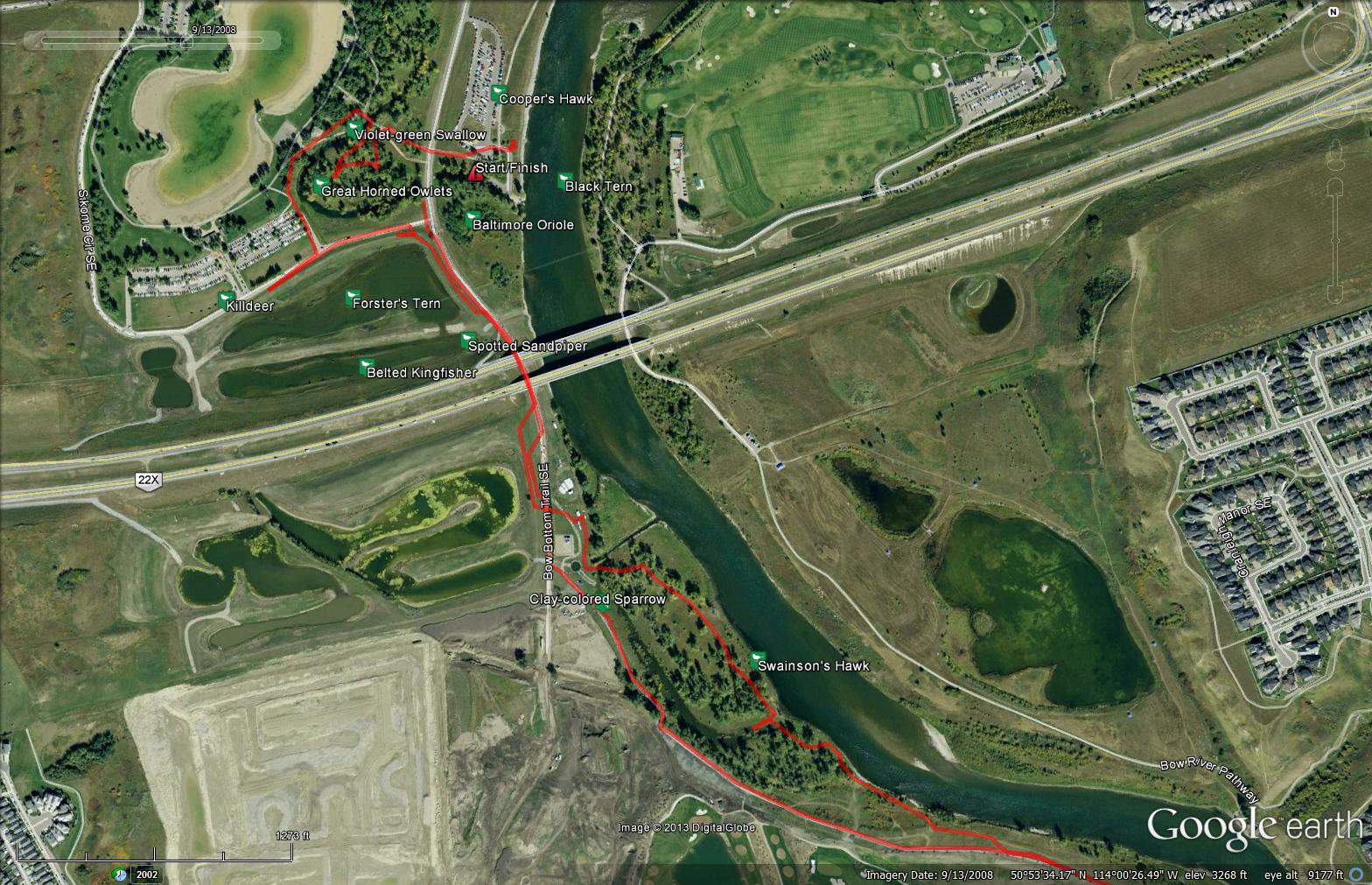
One of the longest walks with the Friends of Fish Creek birding courses is the Sikome Lake to Lafarge Meadows trip. With a variety of ponds, wooded areas, river access, and open fields, the number of different biological niches that are filled along the route make it hard for me to skip or overlook any one area over another. This is one of the reasons that when I found out it was available for the May Species Count weekend last year, I jumped at the opportunity. Sure it’s a whole lot of walking, and there are some other areas that can be covered by driving, or still others that are smaller and can be completed in a couple of hours, but this week’s walk with the Friends of Fish Creek on Sunday was a great scouting trip, and was absolutely worthwhile.

Sikome Lake and Lafarge Meadows, the longest walk.

Sikome Lake and Lafarge Meadows, the longest walk.

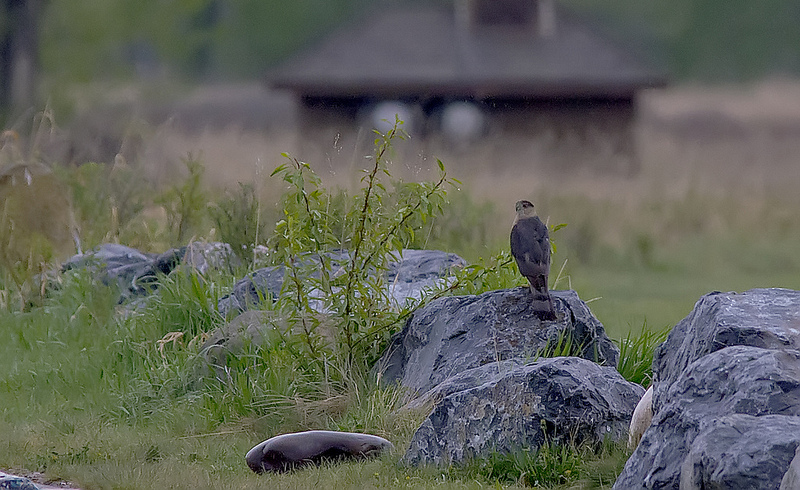
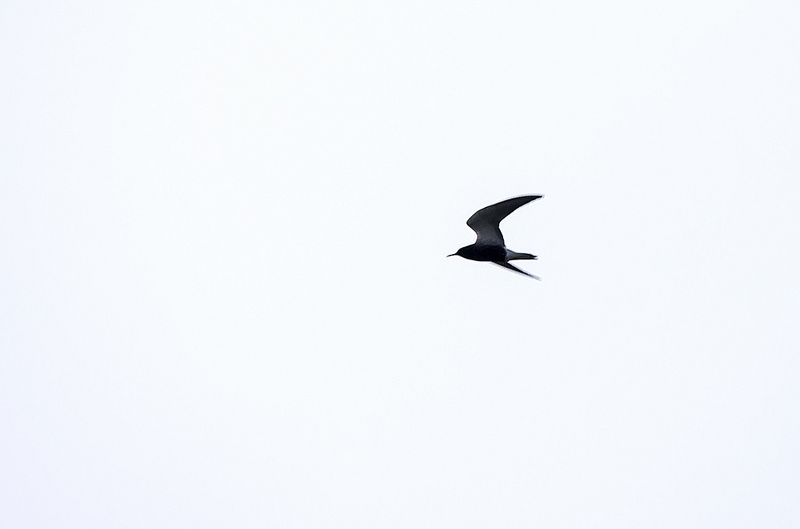
Right off the bat there was activity. While we waited for the main gate to be opened for us, we heard our first House Wren and Clay-colored Sparrows for the year, along with at least three Ring-necked Pheasants and many, many Savannah Sparrows. Once we got to the south parking lot though, we the number of new species jumped again. First, a Cooper’s Hawk was waiting for us in the parking lot, a few Black Terns flew overhead, and hundreds of Cliff Swallows swirled about high up in the morning sky.

Cooper's Hawk

Cooper’s Hawk

Black Tern

Black Tern

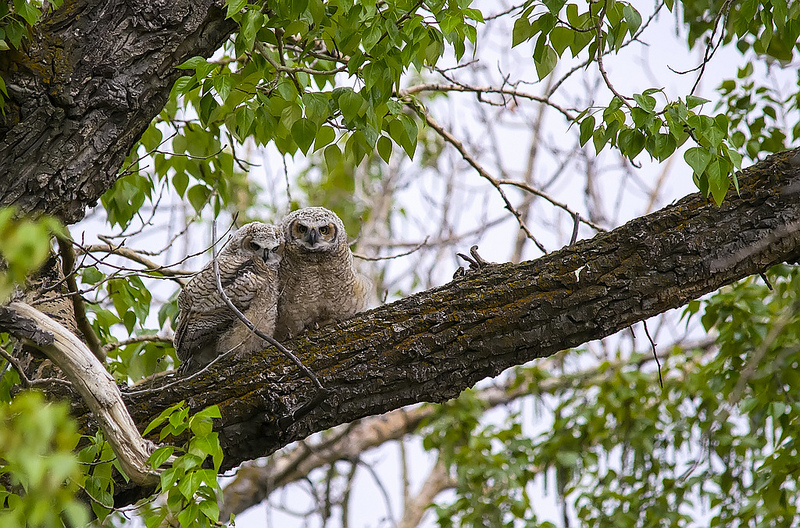
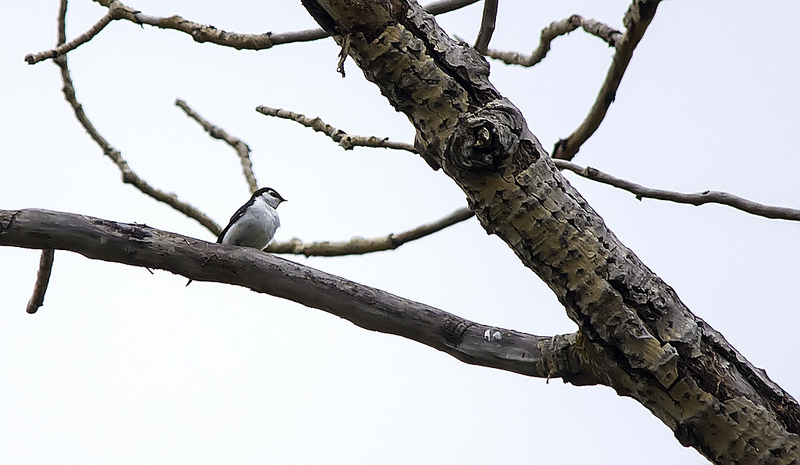
I had heard that the owlets at Sikome Lake had fledged last week, and when we came upon the two young, we could not have asked for a better scene. We were treated as well to our first good views of a Violet-Green Swallow, standing out distinctly from the many Tree Swallows who had taken up nests in the wooded grove.

Great Horned Owlets

Great Horned Owlets

Violet-green Swallow

Violet-green Swallow

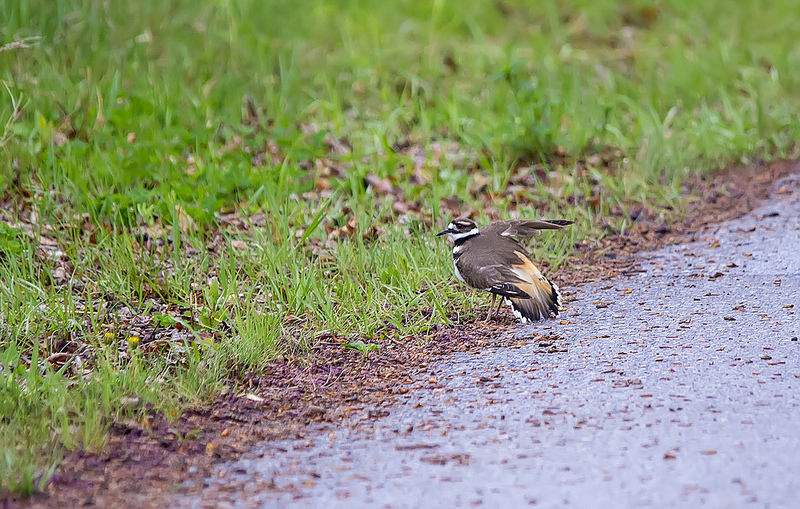
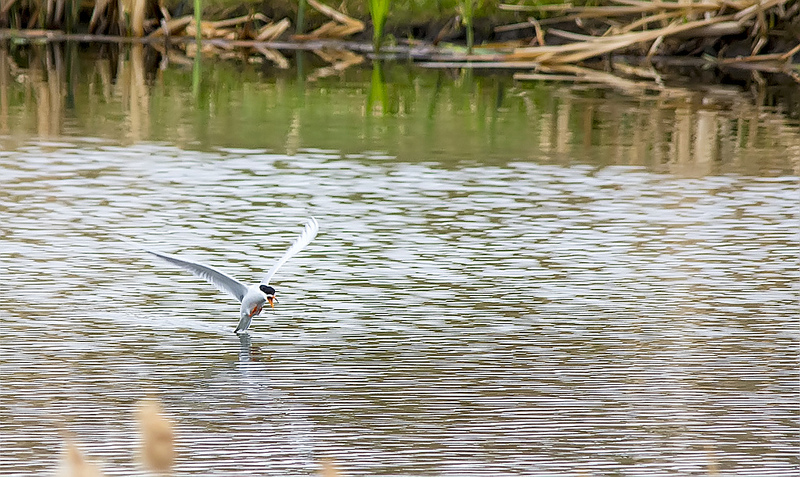
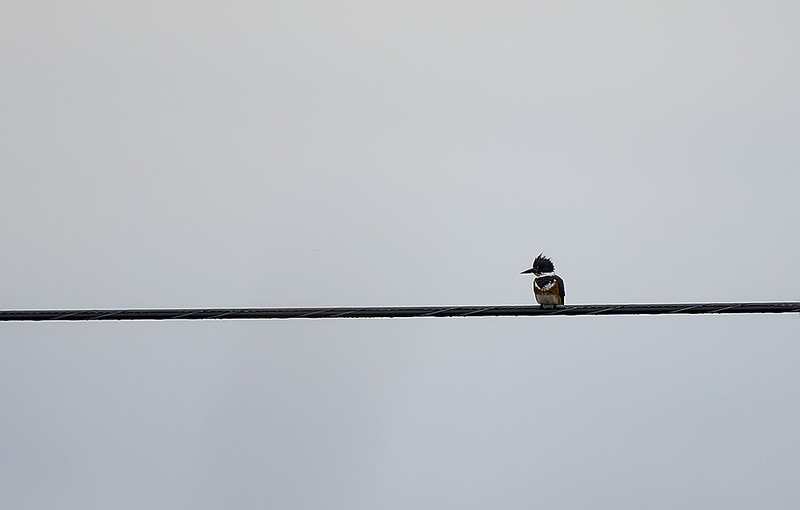
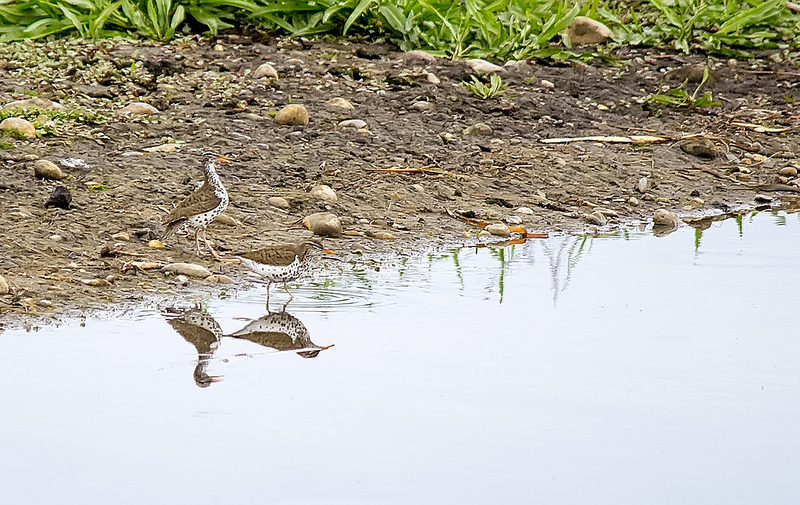
When we finally tore ourselves away from the amazingly adorable owlets, we headed to the first set of ponds and were treated to even more new sights. First, an adult Killdeer performing its broken-wing display, leading us away from a very well hidden nest that no amount of searching would have found. Over the pond, a trio of Forster’s Terns called back and forth, one pair even displaying and finally mating. A female Belted Kingfisher looked on with disdain, hoping they wouldn’t scare off all the fish. As we headed back south, a few Spotted Sandpipers were courting as well, and while this pair wasn’t quite as much interested in exhibitionism, a few we found later on in the day didn’t seem to mind our intrusion one bit.

Killdeer performing broken wing display

Killdeer performing broken wing display

Forster's Tern

Forster’s Tern

female Belted Kingfisher

female Belted Kingfisher

Spotted Sandpipers

Spotted Sandpipers

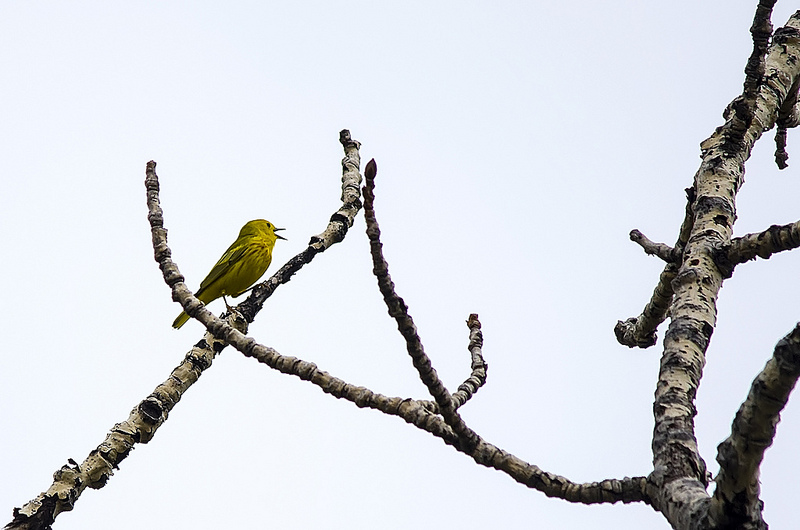
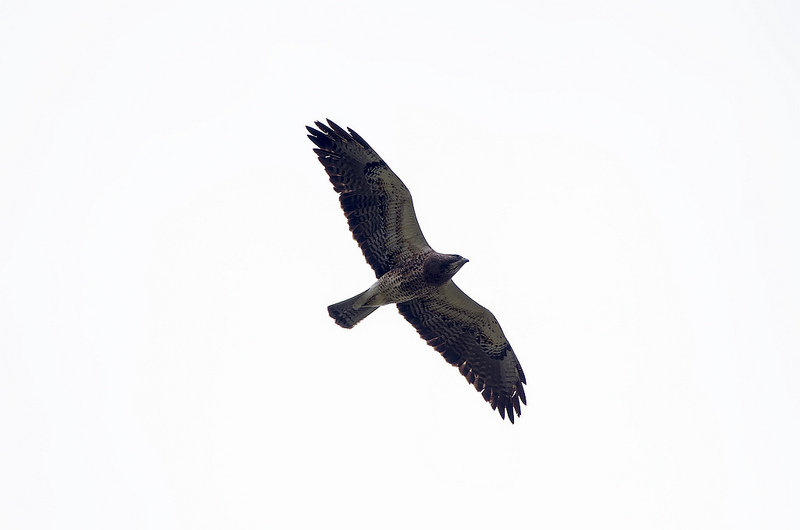
On the south side of the bridge were more delights. Our first Yellow Warblers were calling from the woods repeatedly, until their calls became the dominant noises surrounding us, but the distinct call of a low flying Swainson’s Hawk was definitely impossible to miss!

Yellow Warbler

Yellow Warbler

Swainson's Hawk

Swainson’s Hawk

Our trip to the far south end didn’t turn up any new species, but did turn up better looks at some old ones, including Yellow-headed Blackbirds, Cinnamon Teal, and Red-necked Grebes, with no less than six pairs nesting on the pond this year. We headed back, deciding to call it a day after four hours of walking and birding, but even still we added two more clear sightings. First, this Clay-colored Sparrow singing on the fence on the south side of the bridge, and the clarion call of a Baltimore Oriole on the north side, just as we called it quits.

It was a great day to be birdwatching, despite the gray skies!

Next week we’re off to the Weaselhead for the May Species Count. This promises to be an amazing morning. See you then!

Postcards from Texas: Smith Oaks

Posted by Matthew Sim

As soon as we arrived at Smith Oaks I knew the birding was going to be good; before we had even entered the gates a Red-eyed Vireo jumped into the bushes in front of us. Then, in the first tree we passed, there was a male Golden-winged Warbler, a male Black-and-White Warbler and a male Blackburnian Warbler.

Black-and-White warbler

Black-and-White warbler

Just like that migrants were in every tree and bush. Blue-headed Vireo and Rose-breasted Grosbeak. Magnolia Warbler and Black-throated Green Warbler. How about another Yellow-throated Vireo? More Black-and-white Warblers over here! Had enough Scarlet Tanagers yet? With each bird the woods seemed to become a immeasurable buffet with numerous gorgeous migrants on which to feast the eye.

Black-throated Green Warbler

Black-throated Green Warbler

Magnolia Warbler

Magnolia Warbler

I looked up and spotted an Anhinga, a sign that we were approaching the famous rookery and its rowdy inhabitants.

Anhinga

As we walked further and further the birding only got better and better. There were literally migrants in every bush and tree. Bay-breasted, Yellow, Blue-winged, Magnolia, Black-throated Green, Blackburnian, Chestnut-sided, Black-and White and Tennessee Warblers were adorning every branch as were Northern Parulas, Common Yellowthroats, Philadelphia Vireos, Eastern Wood-Pewees, American Redstarts and Scarlet Tanagers. Even a beautiful Cerulean Warbler made a very brief appearance!

Bay-breasted Warbler

Bay-breasted Warbler

Yellow Warbler

Yellow Warbler

Northern Parula

Northern Parula

Blackburnian Warbler

Blackburnian Warbler

Birding didn’t get any slower at the rookery as egrets, spoonbills and herons went about raising their families.

Rookery

Rookery

Young Spoonbill

The excitement didn’t even stop there as we got distant looks at a pair of beautiful Purple Gallinule. And one final highlight came as we were heading back to our car; a pair of Armadillo! It certainly was a great trip!

Nine-banded Armadillo

Nine-banded Armadillo


Postcards from Texas: Boy Scout Woods

Posted by Matthew Sim

Spring migration is starting to wind down here in Texas and I had still not been to the coast, thanks to a very busy schedule. This was made very painful a little over 2 weeks ago, when on Thursday, April 26th, a cold front grounded migrants and created a massive fallout of birds at coastal hotspots; what many locals were calling the best birding to be had in over 15 years. And I was stuck at school. Friday, there were still migrants everywhere. People were being told to try to avoid stepping on tired migrants that collapsed exhausted by the dozens on paths and lawns. And I was still stuck in school. Well surely I could get out on the weekend? Nope, weekend was already chock full of chores and commitments.

Finally though, on the Sunday I had the day off and I convinced my mom to chauffeur me down to High Island. She agreed (after a little while!) and we set off; though the weather forecast wasn’t going to create a fallout, I was still hoping for some good birds.

We arrived at Boy Scout Woods, a sanctuary run by the Houston Audubon at around 10:30 in the morning. The day got off to a great start when a very tame male Kentucky Warbler put on a show at one of the many small ponds and drips.

Kentucky Warbler

Kentucky Warbler

Things were looking good and as I walked through the woods I soon found my first Scarlet Tanagers and Black-and-white Warblers of the day.

Scarlet Tanager

Scarlet Tanager

I carried on through the woods, seeing more thrushes, vireos, tanagers, flycatchers, grosbeaks, orioles and warblers, including a Worm-eating Warbler which scurried about in the undergrowth, giving me only fleeting glimpses. Things started to quiet down apart from dozens of catbirds and a very vocal Eastern Kingbird.

Eastern Kingbird

Yellow throated Vireos were common throughout the woods.

Yellow throated Vireos were common throughout the woods.

Male Rose-breasted Grosbeak

Male Rose-breasted Grosbeak

After an hour and a half, with fewer and fewer birds showing up, we decided to head over to another Houston Audubon run sanctuary, Smith Oaks, famous for its heron rookery. Before we left though, we stopped by at a house across from Boy Scout Woods whose front yard was covered in bottle brush and attracted many birds including Baltimore and Orchard Orioles; Tennessee, Chestnut-sided and Canada Warblers and Ruby-throated Hummingbirds.

Female Orchard Oriole

Female Orchard Oriole

As we left this property, we spotted a Common Nighthawk perched on the street, content to just sit quietly. From there it was on to Smith Oaks! The trip to Smith Oaks will be posted tomorrow, stay tuned.

Wednesday Wings: Chasing Rarities – Purple Sandpiper – First Alberta Record

Posted by Dan Arndt

Local photographer Eddy Matoud stumbled across this incredibly rare bird on Thursday, May 9. Once the dust had settled and it had been positively identified as a Purple Sandpiper, I knew I couldn’t miss my chance to see this bird for myself. Late Friday afternoon I headed down to Inglewood Bird Sanctuary where Eddy had found it the first time, and spent about an hour photographing it, digiscoping it, and just observing its behaviour. Sadly, it was gone the very next day, disappointing many who had gone out early in the weekend in hopes to see it.

Enjoy the photos!

purple sand16

Purple Sandpiper – a very rare visitor

purple sand15

At least there’s plenty of food around for it.

purple sand14

Splish splash

purple sand13

Drying off the wings

purple sand11

Now that’s a stretch.

purple sand12

Don’t shoot! I’m unarmed!

purple sand10

Streeeeetch!

purple sand9

Fetch, Piper, fetch! Good bird!

purple sand4

Another light snack

purple sand2

Migration is a hungry task.

purple sand6

What are YOU looking at?

purple sand3

Yep, still here.

purple sand7

What do you mean “lost”? I know exactly where I am…

purple sand8

No, that’s not an egg.

purple sand5

K, bye!


Bankside to Mallard Point – The migration has arrived.

Posted by Dan Arndt

It was an incredible morning. The sounds of Savannah Sparrows, Song Sparrows, European Starlings, American Robins filling the air, along with the smells of spring. While it wasn’t the sunniest day, that was a blessing in disguise, as it helped keep it cool and helped to keep the birds calling well into the morning.

Bankside to Mallard Point

Bankside to Mallard Point

Upon our official start at Bankside, the presence of Savannah Sparrows was made readily apparent. Their calls serenaded us all through the day, but down near the riverbank we also heard a few Song Sparrows, both of which posed readily for the camera.

Song Sparrow

Song Sparrow

Savannah Sparrow

Savannah Sparrow

Savannah Sparrow

Savannah Sparrow

As we came back from the river to begin our walk in earnest, this Yellow-bellied Sapsucker flew up from building a nest hole to the edge of a building and began drumming on the siding, making quite the racket, but certainly announcing his territory to every female around.

Yellow-bellied Sapsucker

Yellow-bellied Sapsucker

Yellow-bellied Sapsucker

Yellow-bellied Sapsucker

We followed the river, and had a few great sightings. A pair of Swainson’s Hawks on a nest, a Wood Duck on a gravel bar, a pair of Common Mergansers sitting up on a log with a perfect reflection in the still water, and many American Robins collecting nesting material and preparing to raise their young. We also were lucky enough to observe this Red-tailed Hawk dodging a pair of American Crows that were harassing it continuously.

Just leave me alone!

Just leave me alone!

Begin evasive maneuvers!

Begin evasive maneuvers!

Don't make me use the claws...

Don’t make me use the claws…

They're dangerous weapons...

They’re dangerous weapons!

A little further up the river we paused for a few minutes to watch some Northern Shovelers, and our first Gadwall and Green-winged Teal of the year. A pair of each found this little section of river just perfect to spend their Sunday morning.

Gadwall Pair

Gadwall Pair

Gadwall

Gadwall

Green-winged Teal

Green-winged Teal

Our best birds of the day though, by far, were this pair of American Kestrels. A trio of Black-billed Magpies and a lone, and seemingly out of place Blue Jay, spent a good twenty minutes harassing them, before we moved on to leave them in peace.

male (l) and female (r) American Kestrels

male (l) and female (r) American Kestrels

male American Kestrel

male American Kestrel

male American Kestrel

male American Kestrel

As we neared the end of our walk, we finally came close enough to get a good look at one of the many Ring-necked Pheasants we had heard all morning, crowing away and searching for a mate. This beautiful brave male walked along the opposite shore while we stayed quite still and took in the view.

Ring-necked Pheasant

Ring-necked Pheasant

Another good sighting was a small flock of Common Grackles along the near shore, and even in the poor light they were quite striking to look at in their fresh iridescent plumage.

male Common Grackle

male Common Grackle

As we headed to the vehicles to car-pool back to the Bankside parking lot to finish the day, a pair of Merlins in the back yard of a nearby house began calling, and apparently were being harassed by a few Tree Swallows, House Finches, and Black-capped Chickadees. I guess they didn’t want these two setting up their nest near their well-stocked feeders!

Merlin

Merlin

Along the road on our way back to the vehicles, in one of the stormwater ponds that has recently been set up in Fish Creek Park, we found an amazing Great Blue Heron, but also found another new species for the year, these Blue-winged Teal!

Blue-winged Teal

Blue-winged Teal

Next week we’re off to Lafarge Meadows, and I’m hoping that we get a bit better light, but either way, the real push of migration has begun, and we are guaranteed to have a great day, rain or shine!

Good birding, and see you next week!

Sunday Showcase: Black-crowned Night-Herons

Rob English took these photos north of the city in mid-August 2012. Black-crowned Night-Herons have arrived back in the Calgary area. Frank Lake is a good location to find them.

IMG_6417

IMG_6407

IMG_6403

IMG_6397

IMG_6395

IMG_6394

IMG_6393

IMG_6384

IMG_6375

Backyard Birds: Townsend’s Solitaire

Posted by Bob Lefebvre

A few days ago I had a surprising visitor to my yard in SE Calgary, a Townsend’s Solitaire.

20130507-IMG_6497

20130507-IMG_6504

20130507-IMG_6510

20130507-IMG_6513

20130507-IMG_6518

20130507-IMG_6522

20130507-IMG_6524

20130507-IMG_6525


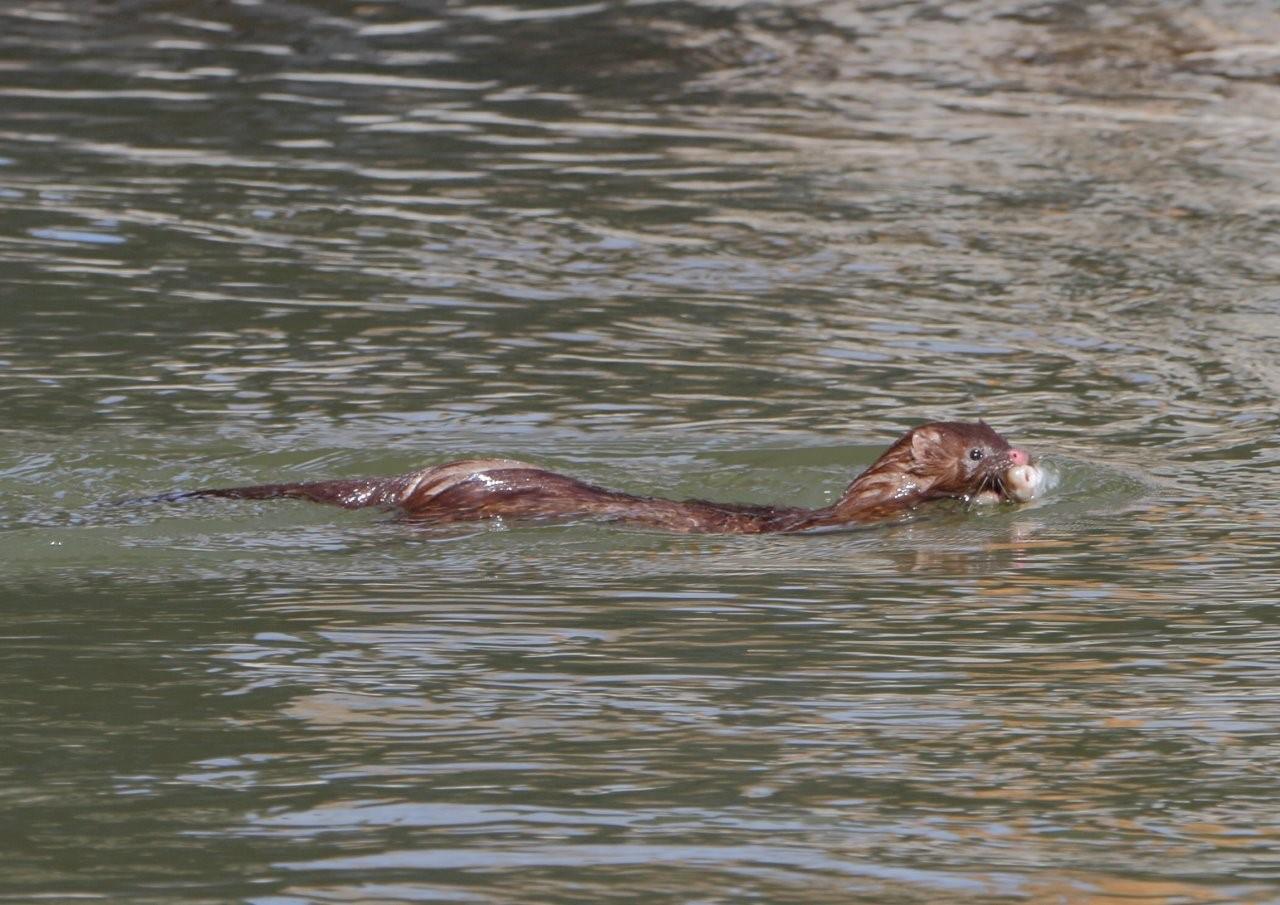
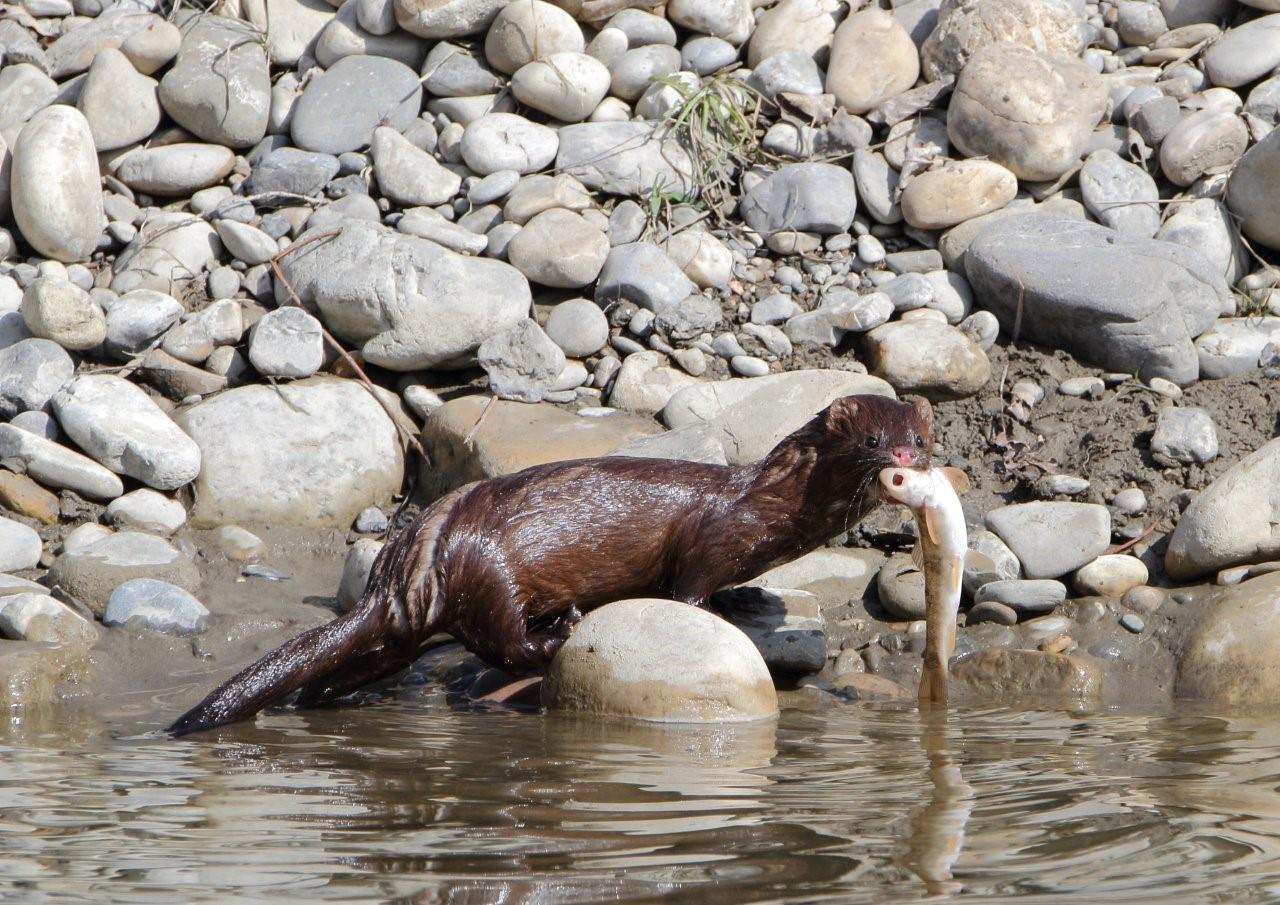
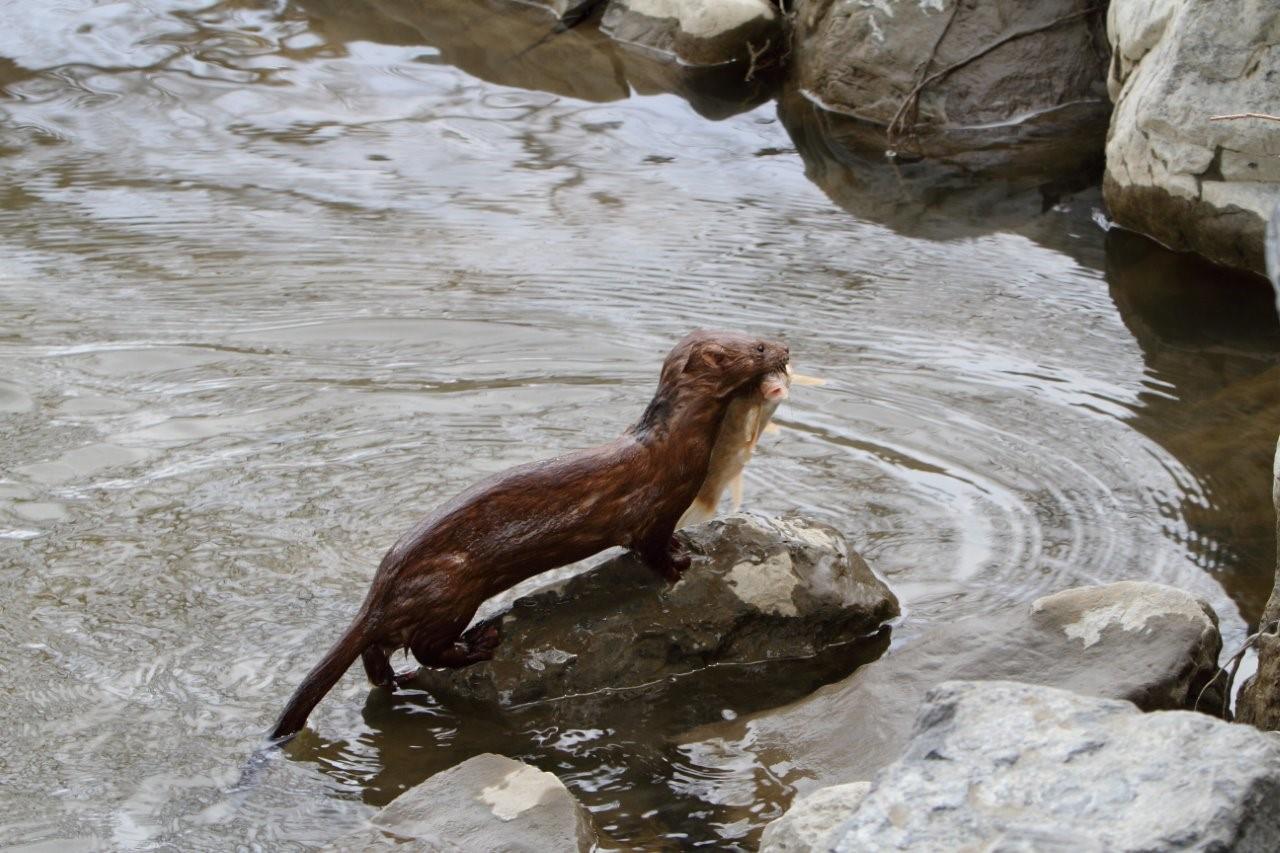
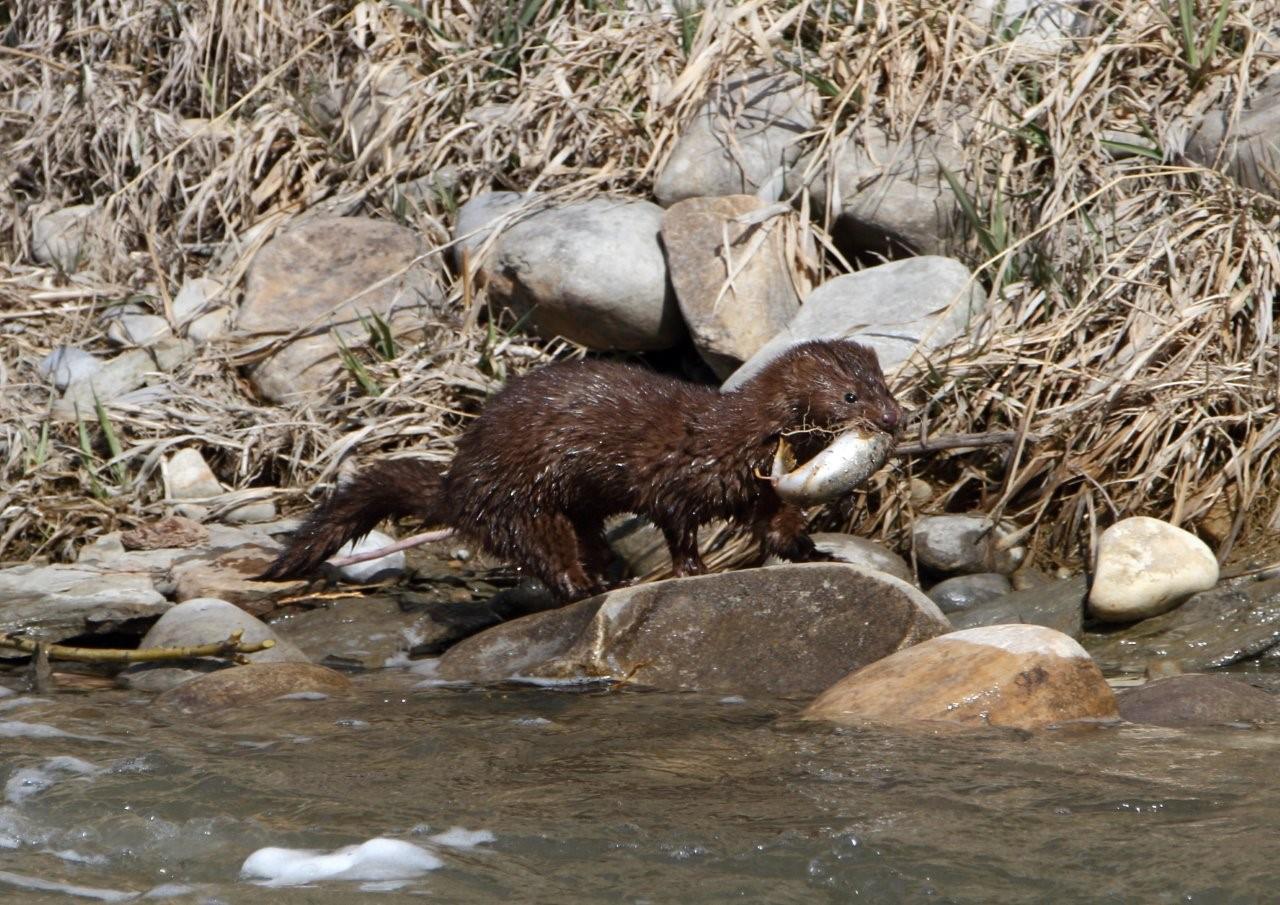
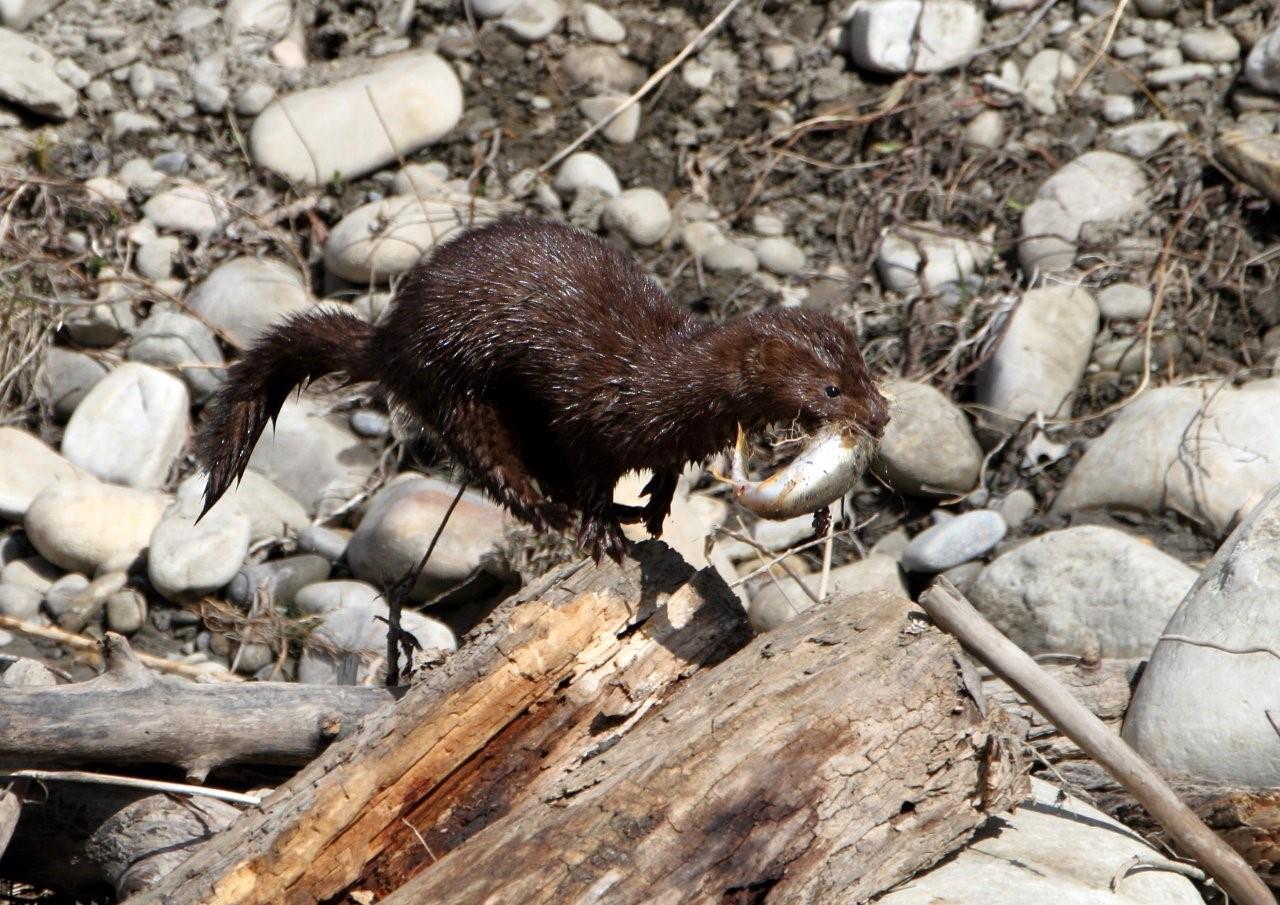
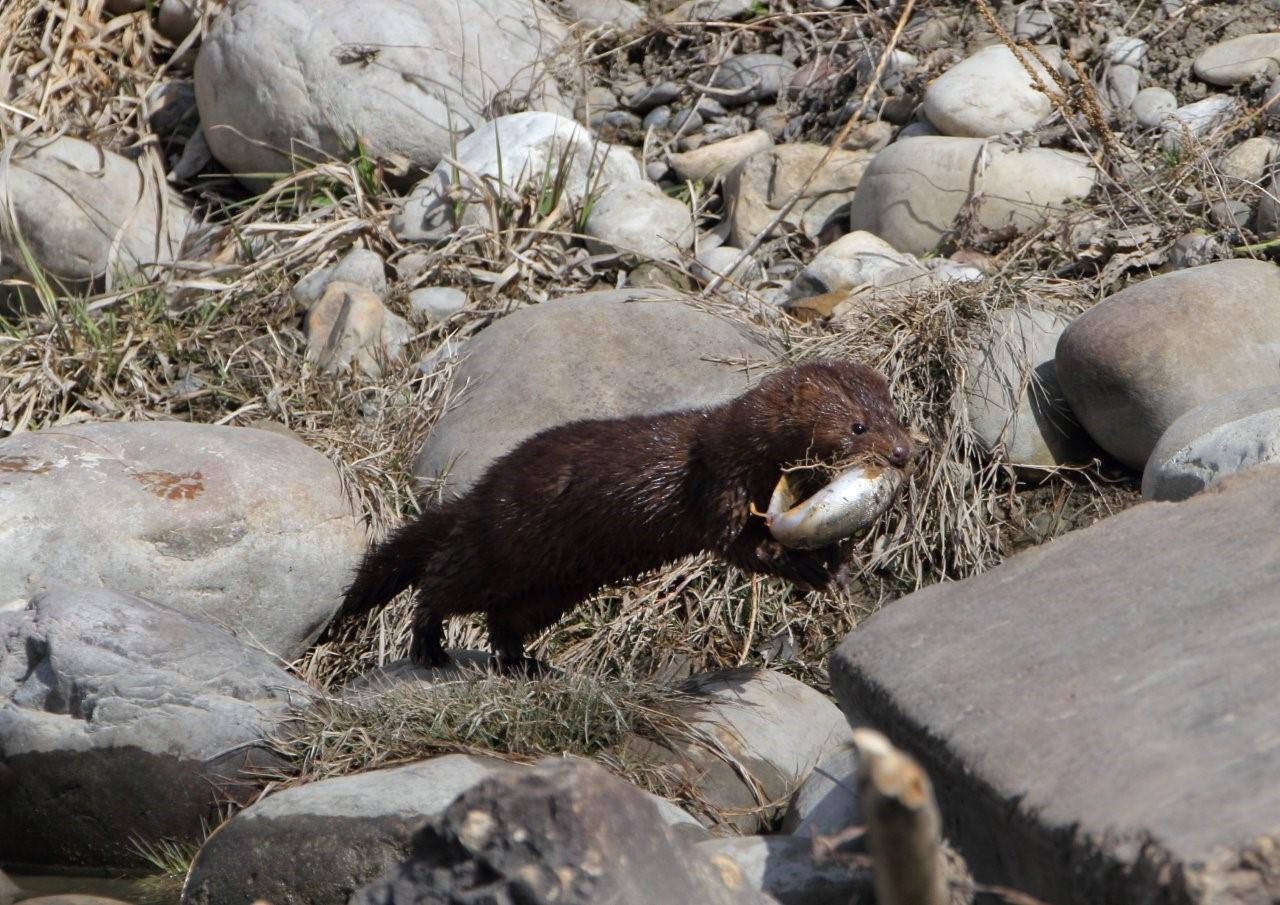
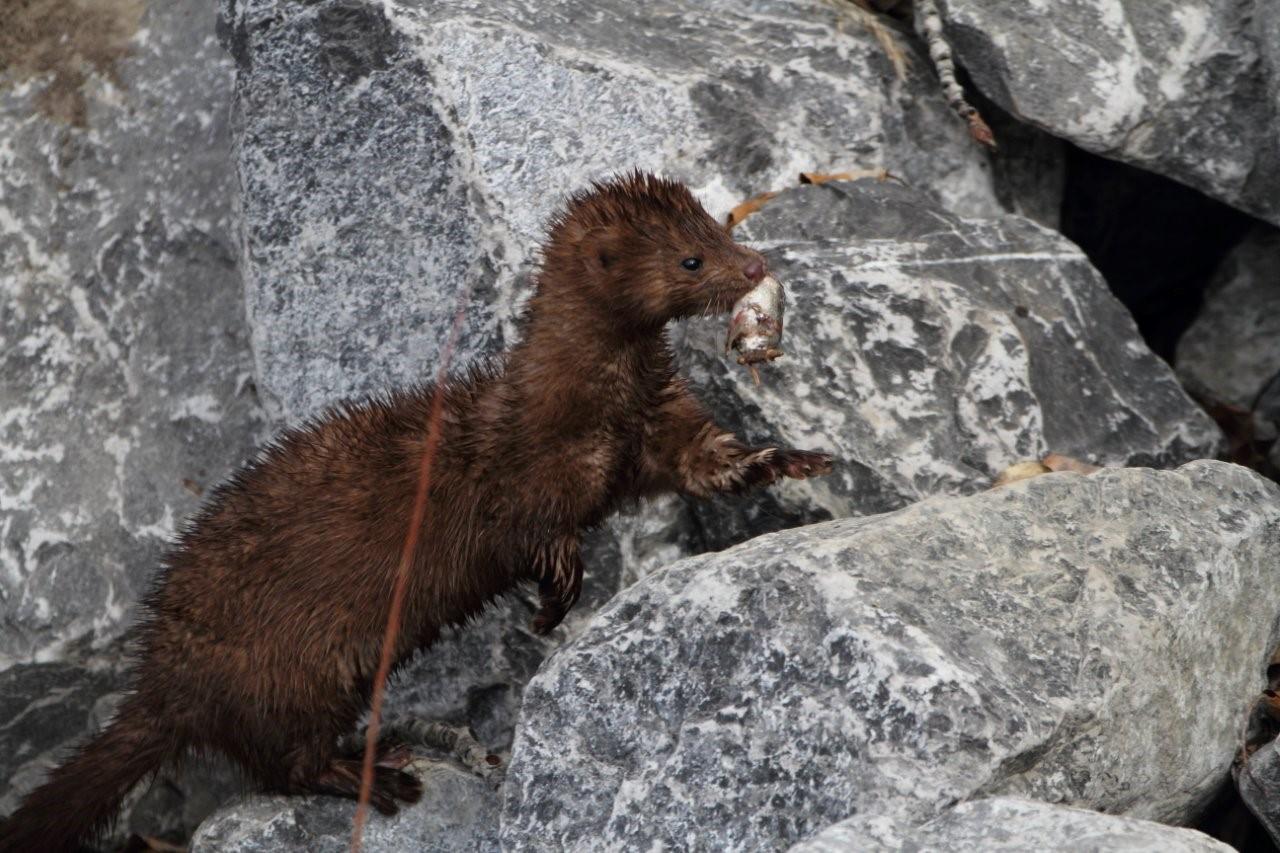
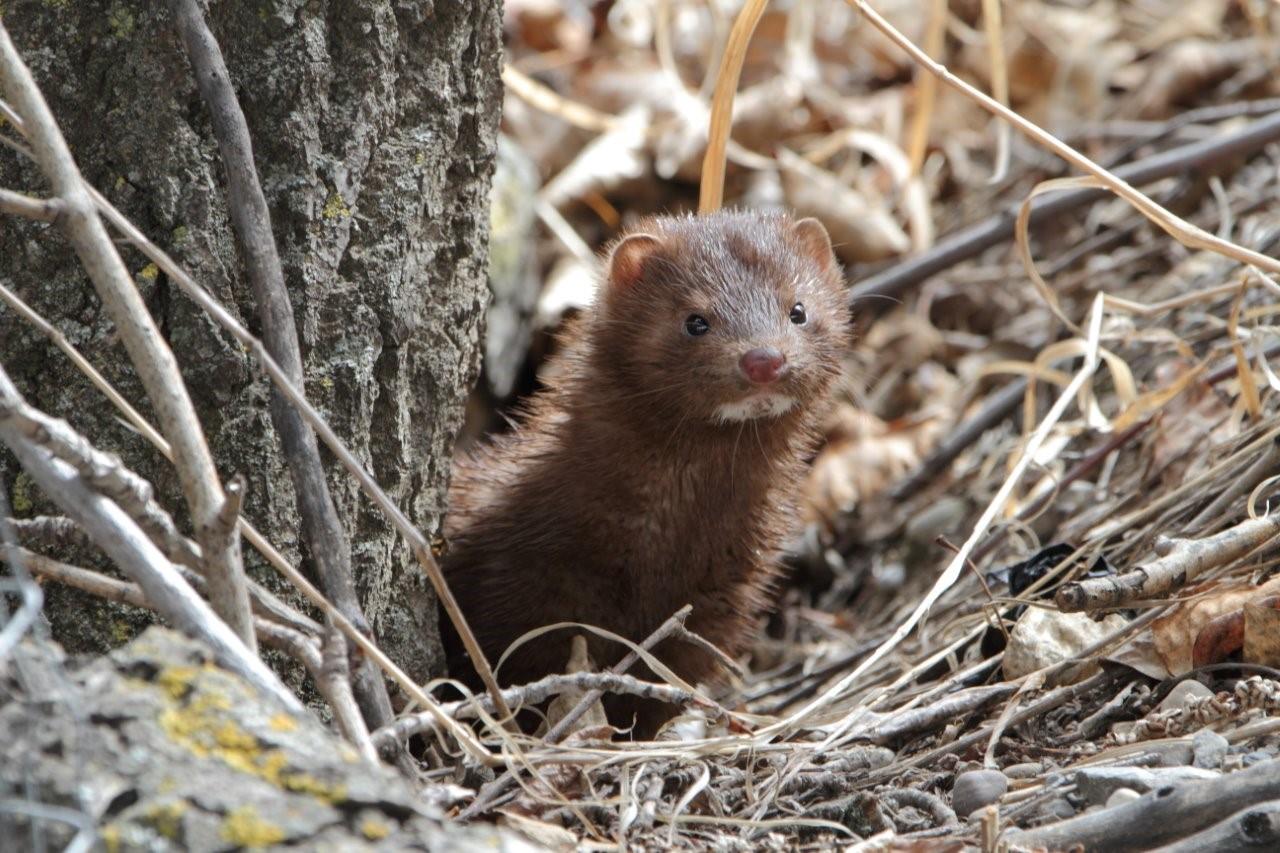
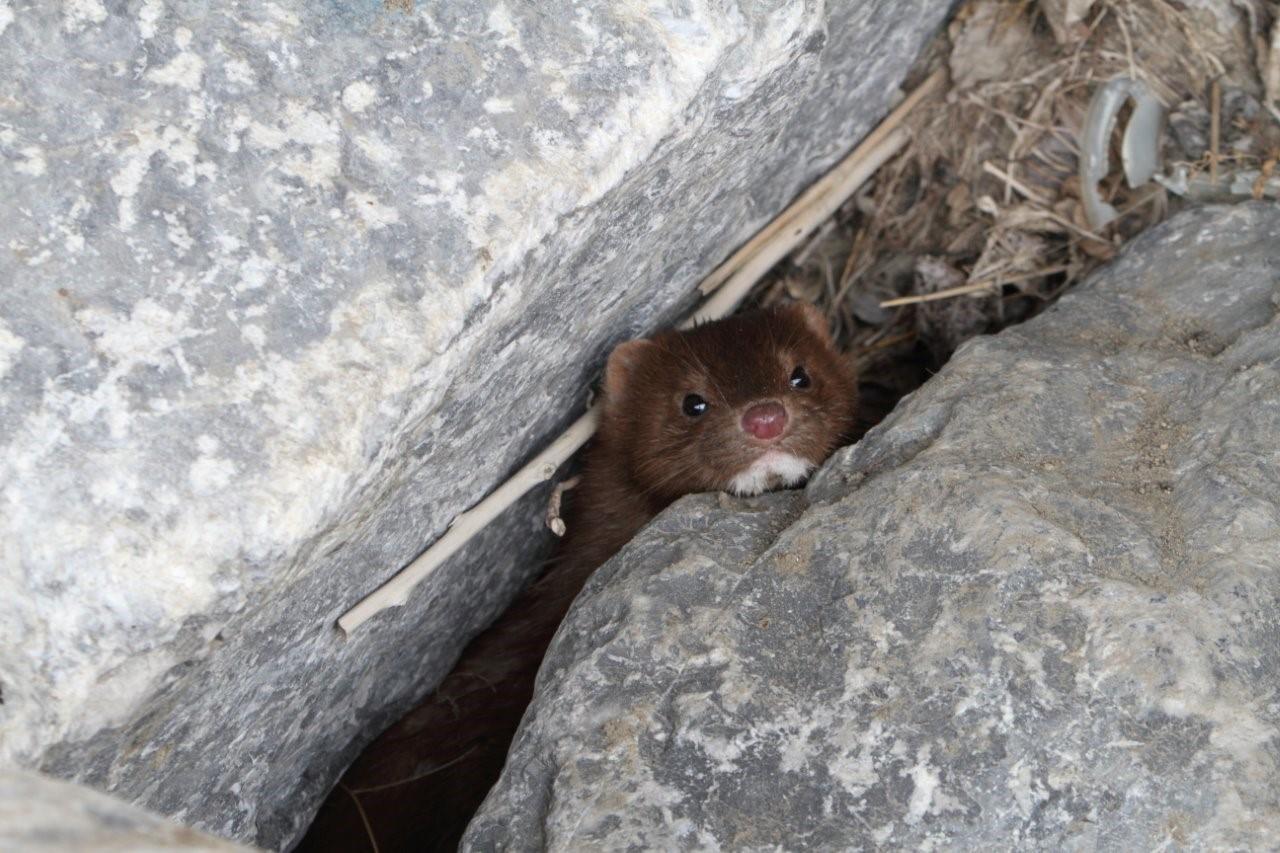
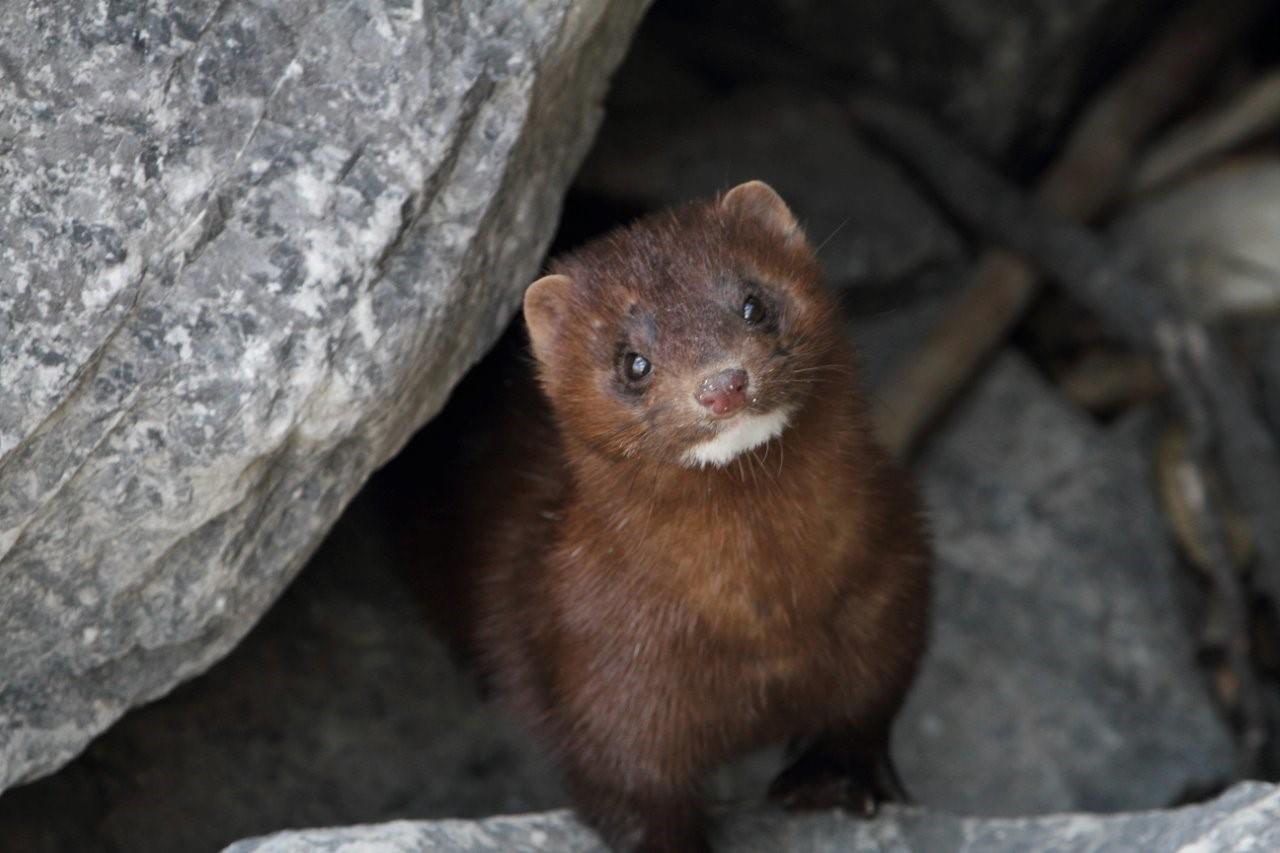
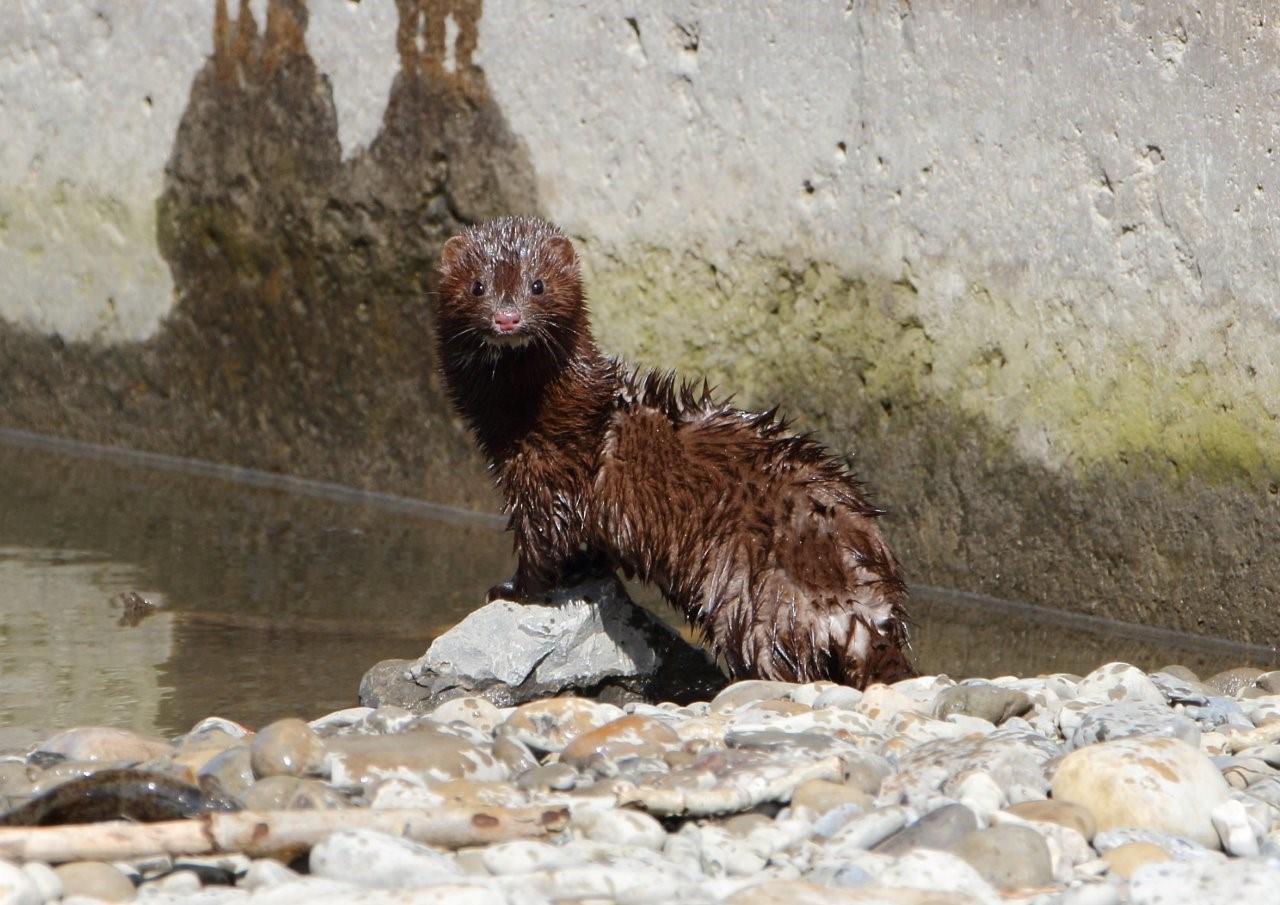
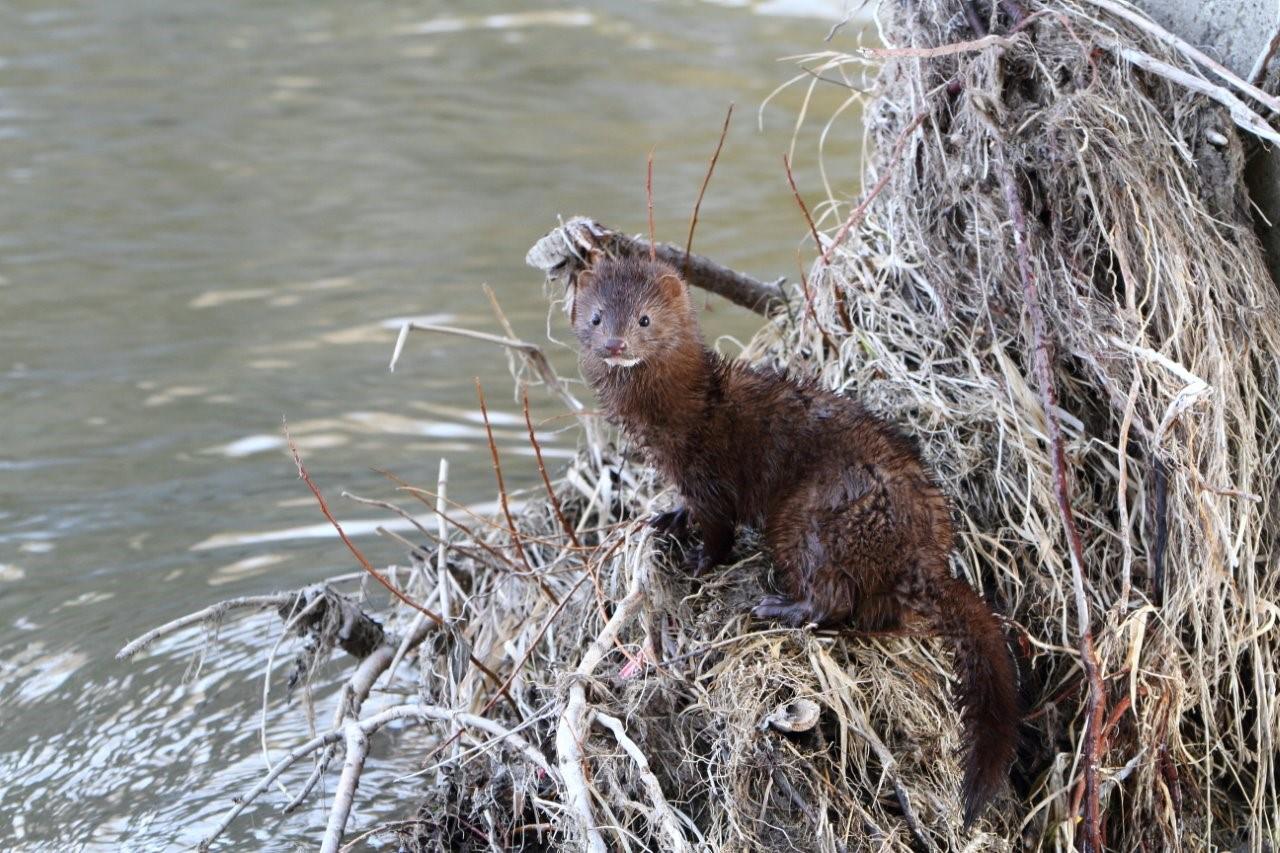
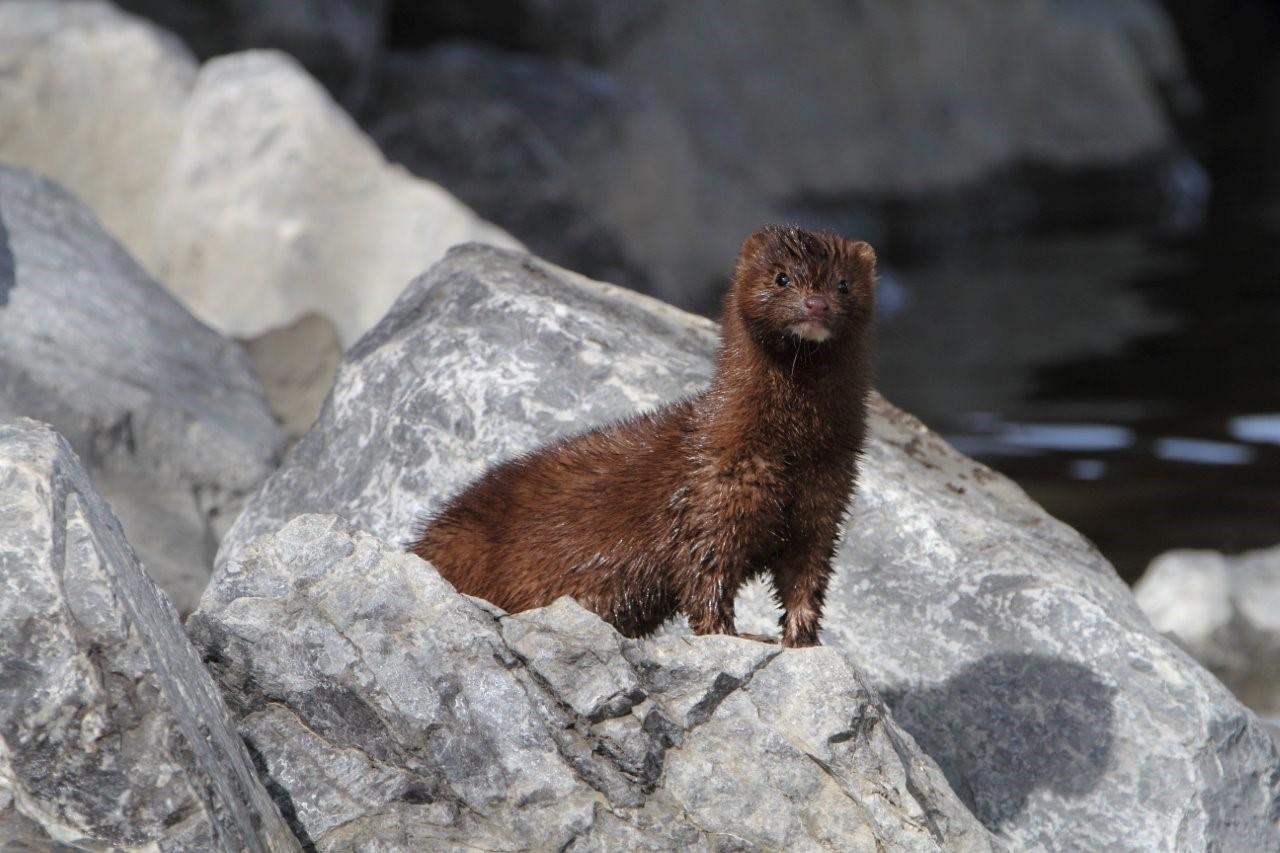
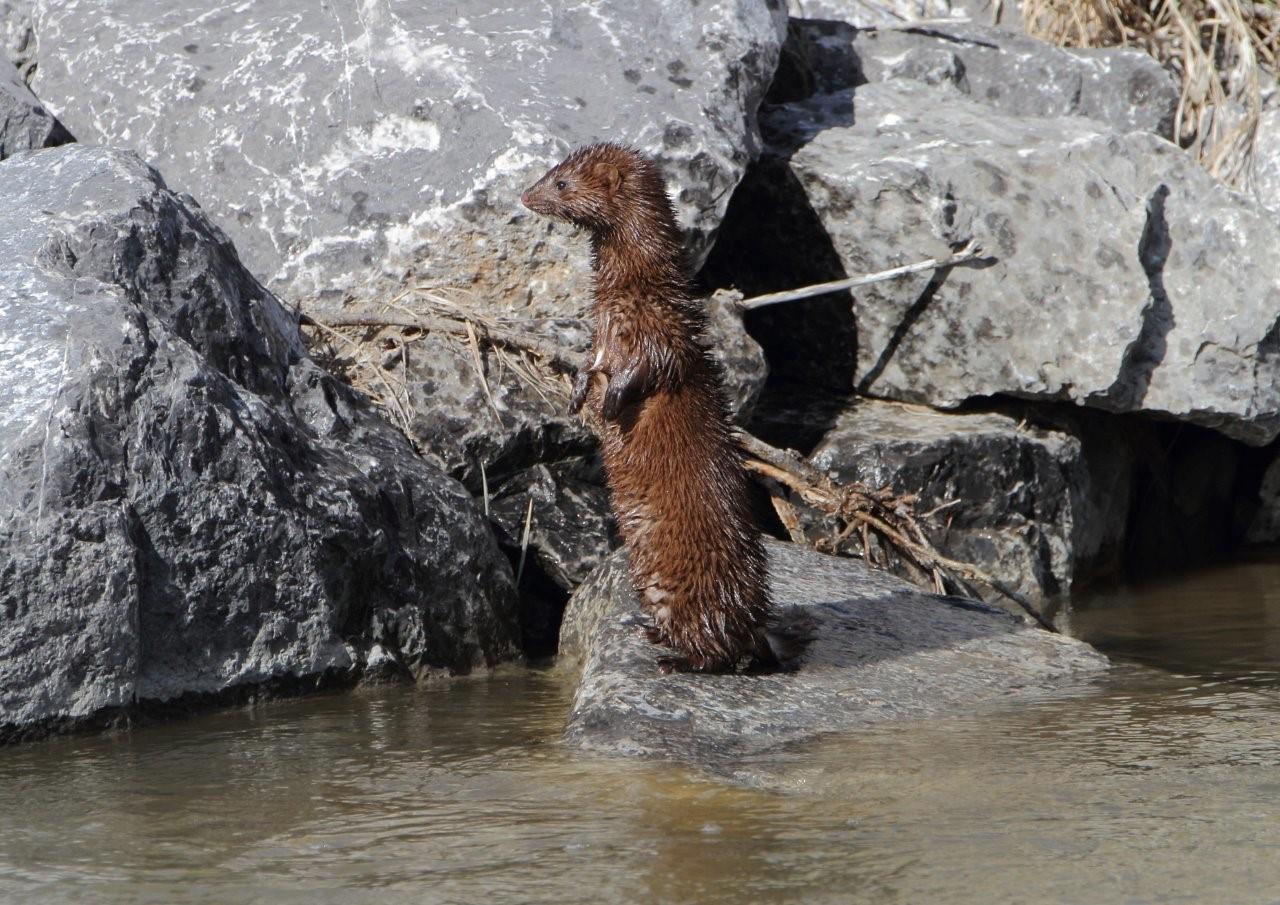
Furry Friday: Fishing Mink

Rob English was lucky enough to see this American Mink hunting in Fish Creek.

IMG_9259

IMG_9269

IMG_9534

IMG_9690

IMG_9696

IMG_9701

IMG_0005

There were three or four mink all together. Here are some photos of the others.

IMG_9507

IMG_9514

IMG_0614

IMG_9248

IMG_9642

IMG_9679

IMG_9952

Wednesday Wings: Red-necked Grebes

Posted by Dan Arndt

Red-necked Grebes are in my opinion the most photogenic of their family, and in the right conditions of light, cover, and opportunity, I have been able to get quite close to them a few times lately.

These photos were taken this past weekend on the Glenmore Reservoir this past week, and at Frank Lake, Carburn Park, and Bridlewood Wetlands the week before.

Enjoy.

Red-necked Grebe at Bridlewood Wetlands - digiscoped with Swarovski ATX 85

Red-necked Grebe at Bridlewood Wetlands – digiscoped with Swarovski ATX 85

Red-necked Grebe at Frank Lake - digiscoped with Swarovski ATX 85

Red-necked Grebe at Frank Lake – digiscoped with Swarovski ATX 85

Red-necked Grebe at Frank Lake - digiscoped with Swarovski ATX 85

Red-necked Grebe at Frank Lake – digiscoped with Swarovski ATX 85

Red-necked Grebe at Frank Lake - 500mm, F6.3, 1/500sec, 800ISO Pentax K-5

Red-necked Grebe at Frank Lake – 500mm, F6.3, 1/500sec, 800ISO Pentax K-5

Red-necked Grebe at Frank Lake - digiscoped with Swarovski ATX 85

Red-necked Grebe at Frank Lake – digiscoped with Swarovski ATX 85

Red-necked Grebe at Frank Lake - digiscoped with Swarovski ATX 85

Red-necked Grebe at Frank Lake – digiscoped with Swarovski ATX 85

Red-necked Grebe at Carburn Park - digiscoped with Swarovski ATX 85

Red-necked Grebe at Carburn Park – digiscoped with Swarovski ATX 85

Red-necked Grebe on Glenmore Reservoir - 1/800, F6.3, ISO640, 500mm, Pentax K-5 + Tamron 1.4x TC

Red-necked Grebe on Glenmore Reservoir – 1/800, F6.3, ISO640, 500mm, Pentax K-5 + Tamron 1.4x TC