Archives

Alberta Birds Are Now On Facebook

Posted by Pat Bumstead

Much is being written lately about the lack of contact young people have with nature. It’s a global problem, as the electronic wave keeps kids busy with their computers,  games and phones.

There is an upside to all this, however. All this electronic activity also allows young birders to share, learn and connect. A case in point is our own Matthew Sim, who is a regular writer for this blog, and managed to keep right on blogging even when he was in Texas for a year.

Another excellent example is a young girl in northeastern Alberta. An avid birder living on a farm, she didn’t have the chance to talk birds with anyone, so she started a blog called Prairie Birder. She then joined Twitter, and set up her own Facebook page. This in itself is inspiring enough, but now she has put many adults to shame and started a Facebook Group for Alberta Birds.

A recent entry on her blog states:

I might have the chance to do some podcasts or radio broadcast features on young birders and also social networking and birding in the near future, so I thought that in addition to blogging I should join Facebook, where you can find me as Prairie Birder.

As a new member, I started looking around for birding groups, pages, and friends to like and “friend”. I found three Canadian Facebook birding groups, for British Columbia, Nova Scotia, and Yukon. But searching for an Alberta group, I couldn’t find one so I decided to start one, the Alberta Birds Facebook group. The focus of the group is to share birding photos, sightings, questions and answers about birds, and birding events. And you don’t have to be an Albertan to join!

She started the group on June 12, and as of this writing, it already had 70 members, sharing some terrific photos from around the province.

I am in awe, and feeling much better about the future of birds and birdwatching.

Hawk ID Thanks

The power of a blog!

A couple of weeks ago we put up a post entitled Help With Hawk Identification. Thanks to our readers, the consensus seems to be that Marg & Alan saw a dark morph, juvenile (1st year) Swainson’s Hawk.

Jeff Reid pointed out that the Sibley’s Guide to Birds of Western North America has a drawing that looks just like our bird. The book also states that dark morph Swainson’s are uncommon, covering only about 10% of the population.

While many of us couldn’t identify this hawk when we first saw it, thanks to our faithful blog readers, I bet we’ll know it next time!

Rare Bird Alert Calgary: June 1

Have you seen an unusual bird in Calgary? If it is on this Reportable_Birds (PDF), please report it to the Nature Calgary Rare Bird Alert line at 403 221-4519 and leave a message after the beep at the end of the recording. If you would like some help with species identification, email us at birdscalgary@gmail.com.  To report injured wildlife call the Calgary Wildlife Rehabilitation Society at 403 239-2488, or the Alberta Institute for Wildlife Conservation at 403 946-2361.

Compiler: Terry Korolyk

May 26
— AMERICAN GOLDEN-PLOVER possible, Third Lake, Jeff Bank

May 27
— SURF SCOTER, Glenmore Reservoir, FFCPP field trip
— RUFOUS HUMMINGBIRD, Weaselhead area, FFCPP
— CALLIOPE HUMMINGBIRD, same, FFCPP
— ALDER FLYCATCHER, same, FFCPP
— WILLOW FLYCATCHER, same, FFCPP
— VEERY, same, FFCPP
— BROWN THRASHER, same, FFCPP
— SPOTTED TOWHEE, same, FFCPP

May 28
— RED-HEADED WOODPECKER, Elkwater (Cypress Hills PP), Leena Tirrul

May 29
— SHARP-SHINNED HAWK, Confluence Park, CFNS field trip
— LEWIS’S WOODPECKER, Pearce Estate Park, Derek Gastle
— RED-HEADED WOODPECKER, Black and White Trail (Medicine Hat), MacKenzie Fai

The next scheduled update of the Bird Alert is on Monday June 4.

May Species Count – Longview Area

Posted by Bob Lefebvre

On Saturday May 26, 2012 I surveyed the Longview area for the May Species Count.  This is the fifth straight year I have done this area, and I’m getting to know it pretty well.  I counted 73 species, down two from last year.

A rocky hillside west of Longview.

These large rural count areas take a long time to cover. It is mostly driving, stopping regularly to record birds and to listen.  There are only a few short walks.  I started at 5:30 a.m. and had made a first pass through the area by about 4:30 p.m.  You have to record the numbers of each species of bird and mammal you see, being careful not to over-count, which makes for some tricky record-keeping as you go down a road for the second time.  After going quickly over my checklist, I continued until 8:15, searching for species I missed earlier, and adding to some of the numbers.  It seems there are always a few birds you just can’t find.  Once again, there were few shorebirds in this area, because there just isn’t enough good habitat for them.  But there should be Bald Eagles, and I couldn’t find one.  I was compensated with two Golden Eagles. I never had a Gray Catbird, and spent the last half hour of the day searching dense thickets for one of these birds (unsuccessfully).

Here are a few of the species I photographed.

Female Mountain Bluebird.  There were good numbers of bluebirds.

This Killdeer was doing its “broken-wing” display, and likely had made its nest right on the gravel road.

I don’t get Pied-billed Grebes here every year.  This was the only grebe I saw.

Lincoln’s Sparrows were common.

There were dozens of black birds in mixed flocks in livestock fields.  It was difficult to separate the Brewer’s Blackbirds (above) from all the Brown-headed Cowbirds and European Starlings.

I had two male Northern Harriers, which seems to be a scarce species around Calgary this year.

Wilson’s Snipe.  More often heard than seen, but will sometimes sit on fence posts.

A mixed flock of about 60 Pine Siskins and American Goldfinches settled onto this field, and practically disappeared.  I can see four goldfinches in this photo but there were many more. 

I was quite entertained by this bird, which was trying to collect nesting material.  Unfortunately for the Oriole, the rope was too tough, and it left empty-handed.

Here are a few of the mammals I saw:

I think this is the same Red Fox I saw last year, in almost the same place. (See last year’s post.)

Most of the ground squirrels are Columbian, not Richardson’s as in Calgary.

These Elk kept a close eye on me as I explored a dirt trail where a Nashville Warbler had been heard a few days before.  I didn’t find the warbler.

Can you see the Bighorn Sheep in this photo?  Taken with a 400 mm lens.  I saw one in the same spot three years ago so I was looking for it, but nevertheless was surprised to find one there.

A cropped version of the photo above.

The May Species Count can be gruelling (I started at 5:30 again on Sunday and did another 13 hours in the city) but it is rewarding.  There are lots of interesting birds out there at this time of year.  Stay tuned for Dan’s post about our count in the Weaselhead.

Help With Hawk Identification

No, this isn’t a quiz – we really don’t know what species of hawk this is. This photo was taken last week near Vulcan, and the hawk was estimated to be about 20-22″ by Alan Plumb & Marg Matheson.  So far, this is one of those birding mysteries that are so challenging (and annoying) to birders…

We forwarded these pictures to Terry Koryluk for his input, and here is his reply.

A most interesting bird. I have nothing in the photos to reference the bird sizewise, but it’s probably a member of the Buteo family. Judging by the broad blackish tips to the tail feathers, it appears Rough-legged Hawkish in that respect. The plumage of this bird is a plumage that I would call not a familiar one in any of the Red-tailed, Rough-legged, or, Swainson’s Hawks that have moved through our area. The underparts and head look a great deal like those of an immature Red-shouldered Hawk, but, are probably too dark for that. If it were a Red-shouldered Hawk, it would be first for the Province. It could be a hybrid of 2 of the 3 firstly-mentioned Buteos.

We would love to hear your comments on what you think this bird this might be, and why.

Travel Tuesday

Our travelling birders, Alan and Marg, have sent us some pictures of a species that has never appeared on the blog. They were driving along RR181 near Twp 172 when they spotted this bird.

Lark Buntings are very much a bird of the southeastern portion of the province, and breed on the native prairie grasslands. Adult males in breeding plumage are black with large white wing patches, and can’t be mistaken for any other members of the sparrow family. His bill is blueish, and the bottom mandible is paler than the top one. Adult females resemble the other brown, streaked sparrows.

You have to be fairly lucky to see these birds, and the Status of Birds In Canada explains why.

Lark Bunting populations are highly nomadic from year to year, avoiding areas of drought and seeking out areas with adequate rainfall.

This is a difficult species to survey, with populations shifting around the grasslands of North America in response to annual variations in climate. Data from the Breeding Bird Survey (BBS) in Canada show large fluctuations and it is not possible to determine the direction of the population trend. BBS data from throughout their range suggest a moderate decline since about 1970, but again, the nomadic nature of the species creates uncertainty in this trend estimate.

Because of marked fluctuations and contradications among the available data sources, it is not possible to determine the population status in Canada.

Victoria Day Big Day 2012

Posted by Dan Arndt

Long weekends are always a great time to get some extra birding in, and this one was no exception. I had initially intended on just making a morning of it with Gus Yaki’s Monday morning group with the Friends of Fish Creek Birding course at Mallard Point, but those plans went by the wayside when I was invited to join the annual Victoria Day Big Day.

What is a “Big Day”, you ask? The idea behind a Big Day is to get as many species as possible in 24 hours of birding. Some really hardcore birders begin at 12:01 AM and go all the way through until 12:00 AM the following morning, covering a huge area and generally getting a very high number of species. For instance, the current record for an Alberta-wide Big Day is somewhere around 235, and the participants started up around Cold Lake, Alberta and trekked all the way south to the SE corner of Alberta. When I heard that number, I was absolutely stunned. Not only by the magnitude of species seen, but also by the huge distance covered.

Traditionally, the Victoria Day Big Day is restricted to the Calgary city limits, and is organized by locally well known birder Tony Timmons. Instead of a competition style event, like some can be, this one is attended by all participants, with some coming and going throughout the day. This year, we started at 5:30 AM at Votier’s Flats and spent most of our time in the south end of the city, finally finishing up at the Inglewood Bird Sanctuary around 6:30 PM. A long day, that’s for certain.

Both Bob Lefebvre and myself participated, and due to a bit of luck and determination, we were able to count the full 116 species reported by the group as a whole, along with 2 bonus species. One seen on the way down to Votier’s Flats, and the second in Confederation Park before Bob dropped me off at home.

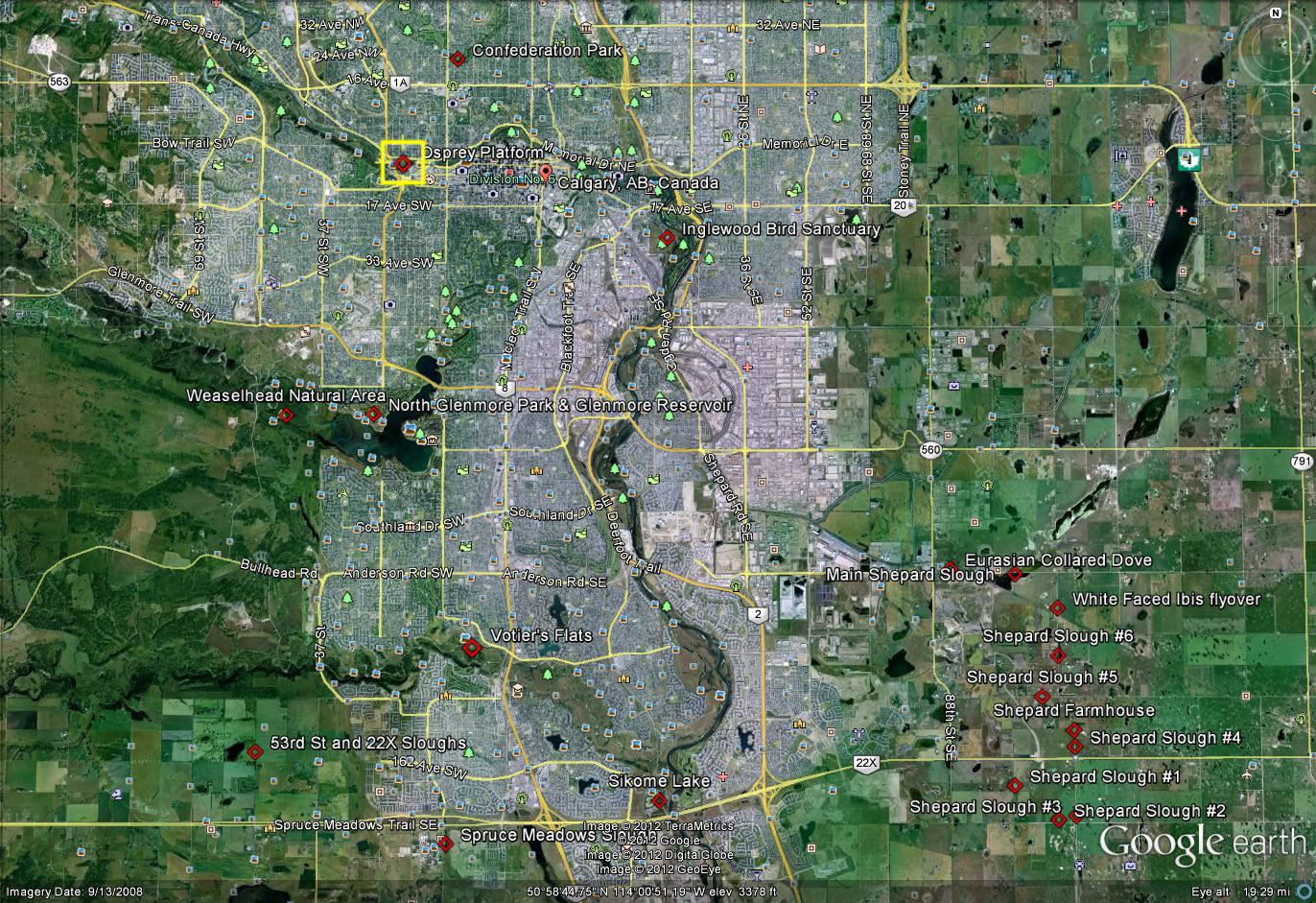
I’ve posted the map and rough timeline of our locations below, along with the new species that we added to our total at each location. Oh, and of course I’ve added some photos as well!

Enjoy!

Victoria Day Big Day Locations

Victoria Day Big Day Locations

Crowchild Trail & Memorial Drive – Incidental – 5:15 AM

– Osprey

Votier’s Flats – 5:30 AM

  1. – Canada Goose
  2. – American Wigeon
  3. – Mallard
  4. – Blue-winged Teal
  5. – Bufflehead
  6. – Common Merganser
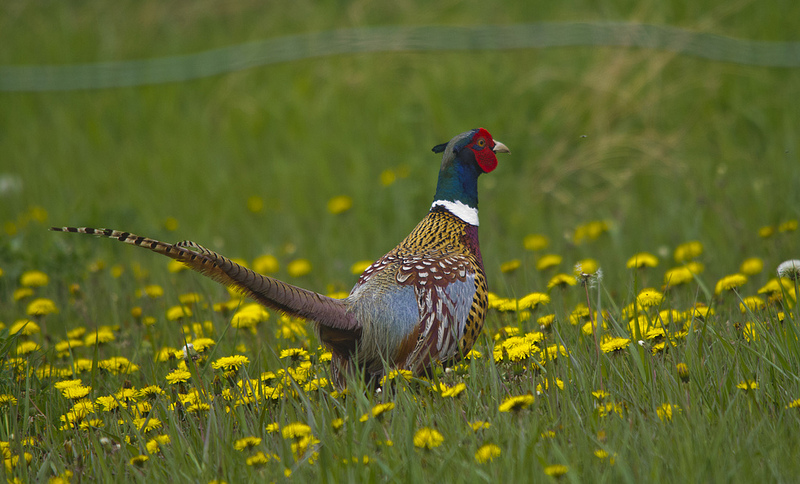
  7. – Ring-necked Pheasant
  8. – Sharp-shinned Hawk
  9. – Spotted Sandpiper
  10. – Belted Kingfisher
  11. – Downy Woodpecker
  12. – Northern Flicker
  13. – Least Flycatcher
  14. – Black-billed Magpie
  15. – American Crow
  16. – Northern Rough-winged Swallow
  17. – Tree Swallow
  18. – Bank Swallow
  19. – Barn Swallow
  20. – Black-capped Chickadee
  21. – Boreal Chickadee
  22. – Red-breasted Nuthatch
  23. – House Wren
  24. – American Robin
  25. – Gray Catbird
  26. – European Starling
  27. – Cedar Waxwing
  28. – Tennessee Warbler
  29. – Yellow Warbler
  30. – Spotted Towhee
  31. – Chipping Sparrow
  32. – Clay-colored Sparrow
  33. – Song Sparrow
  34. – Lincoln’s Sparrow
  35. – White-throated Sparrow
  36. – Red-winged Blackbird
  37. – Brown-headed Cowbird
  38. – Baltimore Oriole
  39. – House Finch
  40. – White-winged Crossbill
  41. – Pine Siskin
  42. – American Goldfinch
  43. – House Sparrow

Weaselhead – 7:30 AM

  1. Common Goldeneye
  2. Great Blue Heron
  3. Bald Eagle
  4. Swainson’s Hawk
  5. Red-tailed Hawk
  6. American Kestrel
  7. Merlin
  8. California Gull
  9. Rock-pigeon
  10. Rufous Hummingbird
  11. Calliope Hummingbird
  12. Hairy Woodpecker
  13. Pileated Woodpecker
  14. Eastern Phoebe
  15. Blue Jay
  16. Common Raven
  17. Cliff Swallow
  18. White-breasted Nuthatch
  19. Swainson’s Thrush
  20. Savannah Sparrow
  21. White-crowned Sparrow
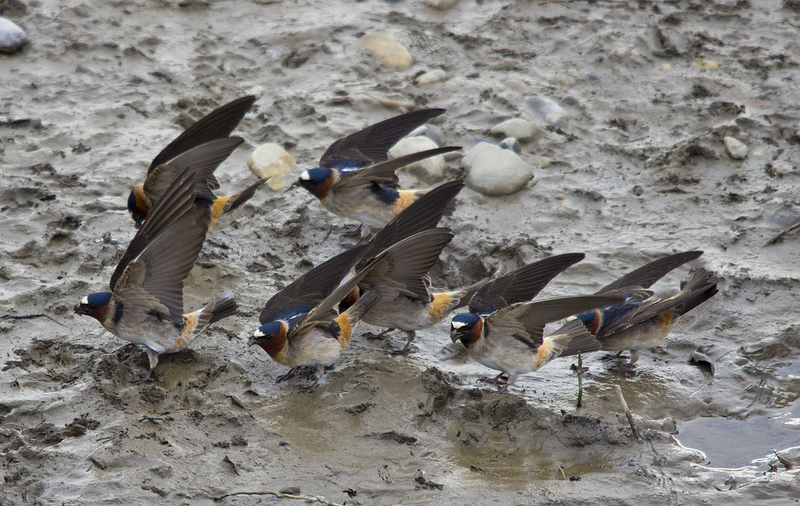
Cliff Swallows collecting mud for nests

Cliff Swallows collecting mud for nests

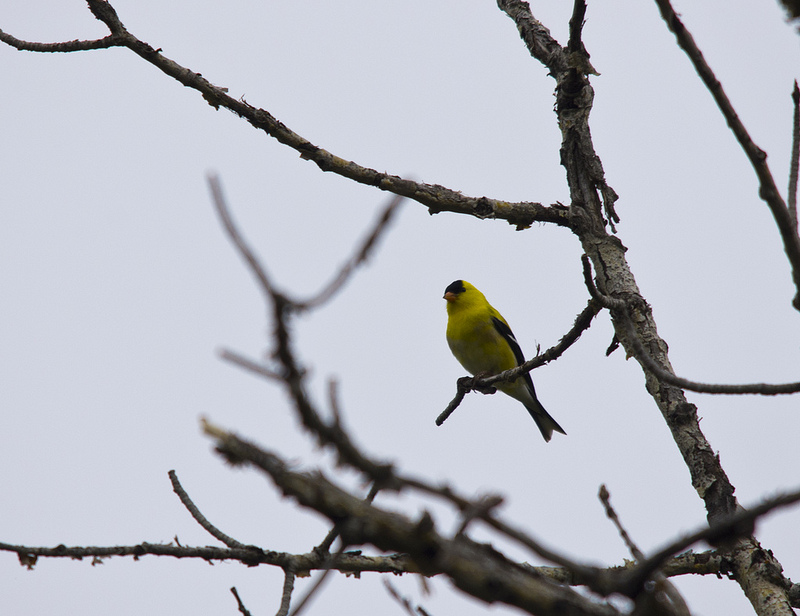
American Goldfinch

American Goldfinch

North Glenmore Park & Glenmore Reservoir – 9:30 AM

  1. Gadwall
  2. Lesser Scaup
  3. American Coot
  4. Killdeer
  5. Baird’s Sandpiper
  6. Pectoral Sandpiper
  7. Bonaparte’s Gull
  8. Franklin’s Gull
  9. Ring-billed Gull
  10. Red-necked Grebe

53rd St and 22X – 10:45 AM

  1. Snow Goose
  2. Green-winged Teal
  3. Ruddy Duck
  4. Eared Grebe
  5. Sora
  6. Wilson’s Snipe
  7. Vesper Sparrow
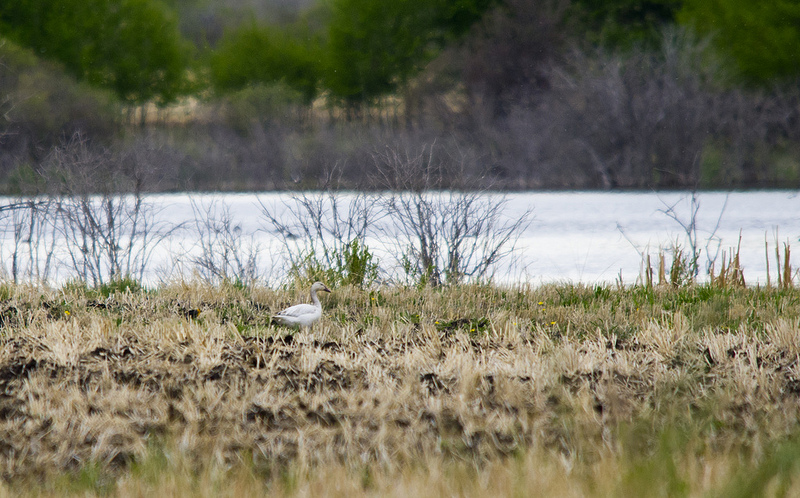
Snow Goose

Snow Goose

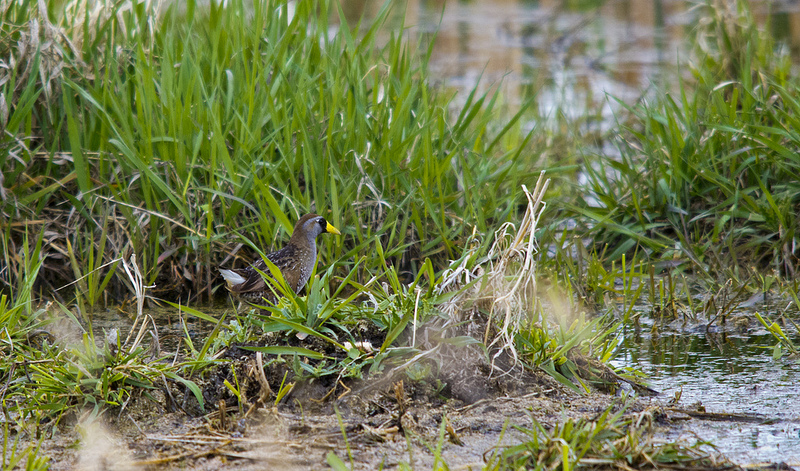
Sora

Sora

Spruce Meadows Slough – 11:20 AM

  1. Cinnamon Teal
  2. Redhead
  3. Northern Shoveler
  4. Pied-billed Grebe
  5. Black Tern
  6. Marsh Wren
  7. Common Yellowthroat
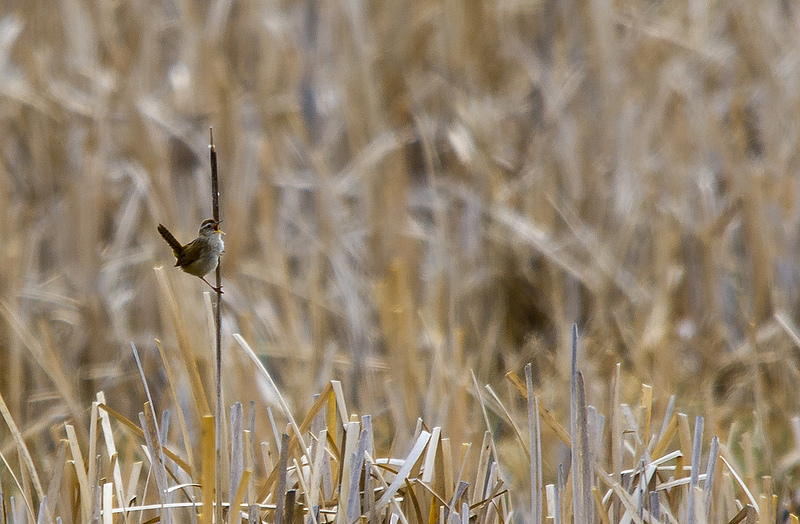
Marsh Wren

Marsh Wren

South Calgary Bluebird Boxes – 11:45 AM

  1. Mountain Bluebird
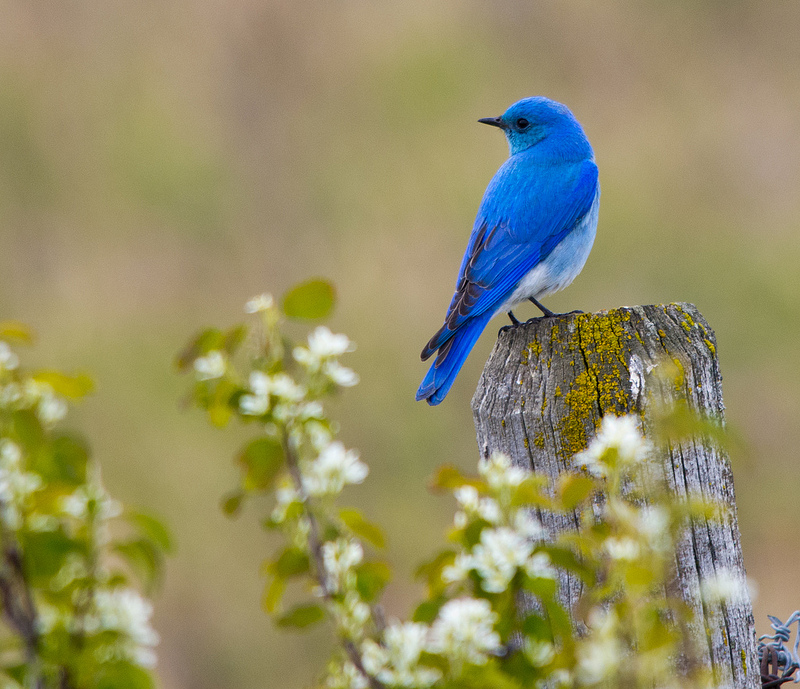
Mountain Bluebird

Mountain Bluebird

South Calgary Ravine – 12:00 Noon

  1. Cooper’s Hawk
  2. Mourning Dove

Sikome Lake – 12:45 PM

  1. Horned Grebe
  2. Great Horned Owl
  3. Yellow-bellied Sapsucker
  4. Eastern Kingbird
  5. Warbling Vireo

Shepard Slough #1 – 2:20 PM

  1. Northern Pintail

Shepard Slough #2 – 2:32 PM

  1. American Avocet
  2. Willet
  3. Wilson’s Phalarope

Shepard Slough #3 – 2:37 PM

  1. Western Meadowlark

Shepard Slough #4 – 2:41 PM

  1. Canvasback

Shepard Farmhouse – 2:51 PM

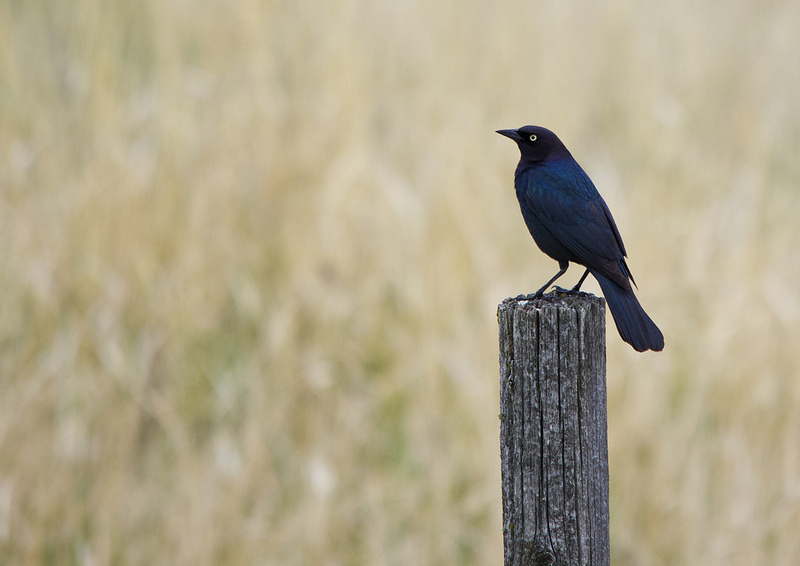
  1. Brewer’s Blackbird
  2. Common Grackle
Brewer's Blackbird

Brewer’s Blackbird

Ring-necked Pheasant

Ring-necked Pheasant

Shepard Slough #5 – 3:07 pM

  1. Lesser Yellowlegs

Shepard Slough #6 – 3:30 PM

  1. Black-necked Stilt
  2. Least Sandpiper
  3. Semipalmated Sandpiper

White-faced Ibis Flyover – 4:07 PM

  1. White-faced Ibis

Main Shepard Slough – 4:11 PM

  1. Double-crested Cormorant
  2. Stilt Sandpiper

Shepard – 4:31 PM

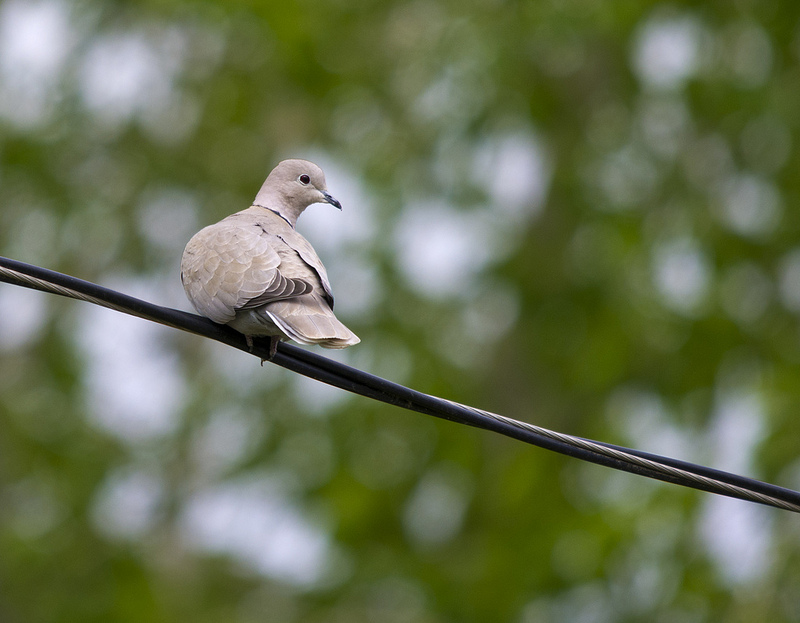
  1. Eurasian Collared Dove
Eurasian Collared Dove

Eurasian Collared Dove

Inglewood Bird Sanctuary – 5:33 PM

  1. Wood Duck
  2. Harlequin Duck
  3. Hooded Merganser

Confederation Park – 7:45 PM

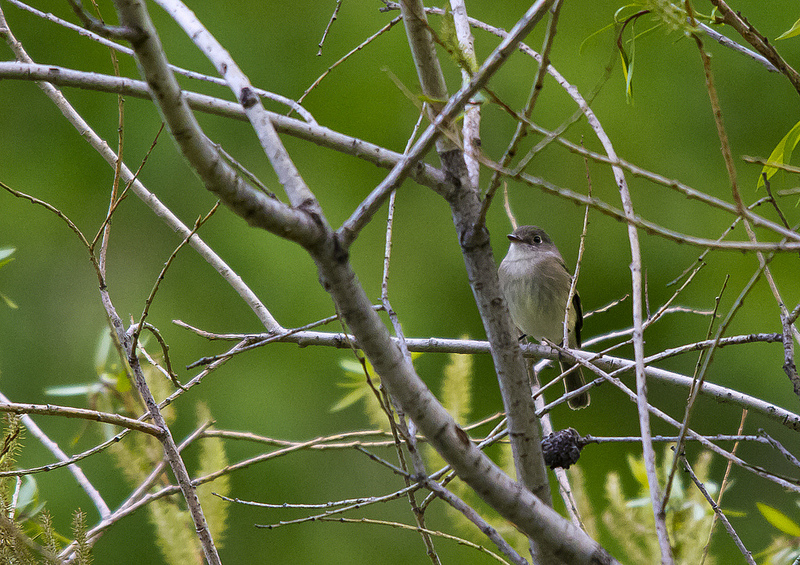
  1. Alder Flycatcher
Alder Flycatcher

Alder Flycatcher

Sunday Showcase: Spring Birds of the Calgary Area

Here are some recent photographs of birds from in and around Calgary, by David Lilly.  See more on the Canadian Bird Photographer website, and on David’s website.
Western Meadowlark

Tree Swallow

American Kestrel

Northern Shoveler
Blue-winged Teal

Cinnamon Teal

Wilson’s Snipe

Rare Bird Alert Calgary: May 21

Have you seen an unusual bird in Calgary? If it is on this Reportable_Birds (PDF), please report it to the Nature Calgary Rare Bird Alert line at 403 221-4519 and leave a message after the beep at the end of the recording. If you would like some help with species identification, email us at birdscalgary@gmail.com.  To report injured wildlife call the Calgary Wildlife Rehabilitation Society at 403 239-2488, or the Alberta Institute for Wildlife Conservation at 403 946-2361.
Bird Sightings:

May 14:
CURVE-BILLED THRASHER, Wyndham-Carseland PP, Mary Coughlin, June ?
TURKEY VULTURE, near DeWinton , Ali Bursten.

May 19:
RED-BREASTED x COMMON MERGANSER female, storm water pond, Votier’s Flats, Terry Korolyk.

May 20:
WHITE-FACED IBIS (21), east edge of Calgary, Bob Lloyd.
AMERICAN GOLDEN PLOVER , Third Lake, Richard Clarke.
SANDERLING, Pine Coulee Res. dam, TK.
RED-NECKED PHALAROPES, SEMI-PALMATED SANDPIPERS, TUNDRA SWAN, TRUMPETER SWAN, Clear Lake, TK.
PURPLE FINCH, male, Griffith’s Woods PP, Bob Lefebrve, Dan Arndt.
GOLDEN EAGLE, as above,several groups.
ROCK WREN, north of old gravel rd, Nose Hill Pk, Steve Kassai.
RUFOUS HUMMINGBIRD, west of Calgary, Marilyn Sanders.

The next scheduled update of the Bird Alert is on Thursday May 24.

Rare Bird Alert Calgary: May 14

Have you seen an unusual bird in Calgary? If it is on this Reportable_Birds (PDF), please report it to the Nature Calgary Rare Bird Alert line at 403 221-4519 and leave a message after the beep at the end of the recording. If you would like some help with species identification, email us at birdscalgary@gmail.com.  To report injured wildlife call the Calgary Wildlife Rehabilitation Society at 403 239-2488, or the Alberta Institute for Wildlife Conservation at 403 946-2361.

May 11
— RED-EYED VIREO, Fish Creek PP, Terry Korolyk

May 12
— SANDHILL CRANE, north of Cochrane, Rosemary Healey(?)
— NASHVILLE WARBLER, Inglewood Bird Sanctuary, Colin Young

May 13
— WHITE-FACED IBIS 200, Frank Lake, Paul Lehman
— NORTHERN GOSHAWK, (former) Cochrane Ranche PP, Joan&Malcolm McDonald
— RUFOUS HUMMINGBIRD, same, J&MM
— ROCK WREN, same, J&MM
— AMERICAN GOLDEN-PLOVER, Frank Lake, Andrew Hart
— BLACK-BELLIED PLOVER, Third Lake, PL
— STILT SANDPIPER 4, same, PL
— CALLIOPE HUMMINGBIRD, Weaselhead, Bill Wilson
— CASSIN’S VIREO, Lowery Gardens, Marcel Gahbauer
— PACIFIC WREN, same, MG
— BLACKPOLL WARBLER, same, MG
— PURPLE MARTIN 15, Chestermere martin houses, PL
— MAGNOLIA WARBLER, Weaselhead, reporter unknown

The next scheduled update of the Bird Alert is on Thursday May 17.