Posted by Bob Lefebvre
A few days ago I had a surprising visitor to my yard in SE Calgary, a Townsend’s Solitaire.


Posted by Bob Lefebvre
A few days ago I had a surprising visitor to my yard in SE Calgary, a Townsend’s Solitaire.
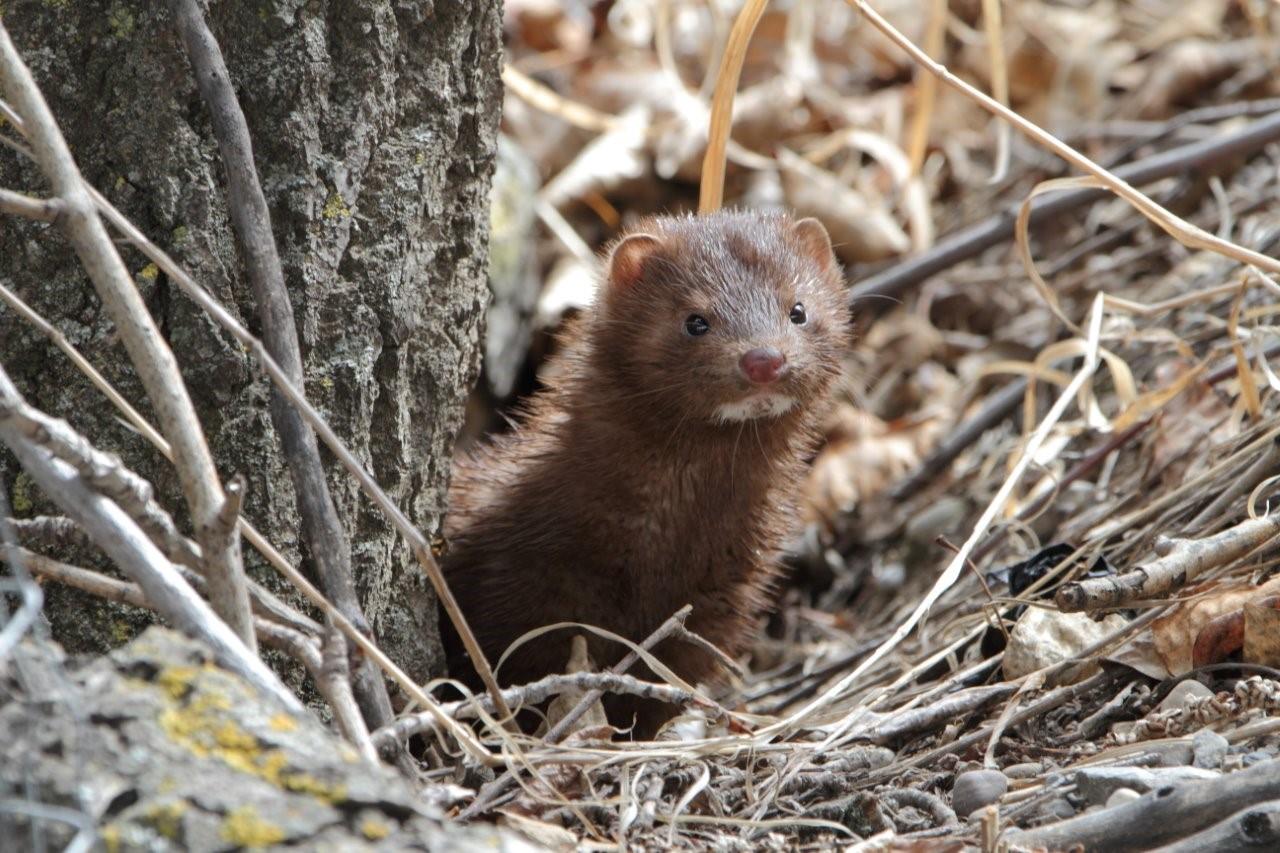
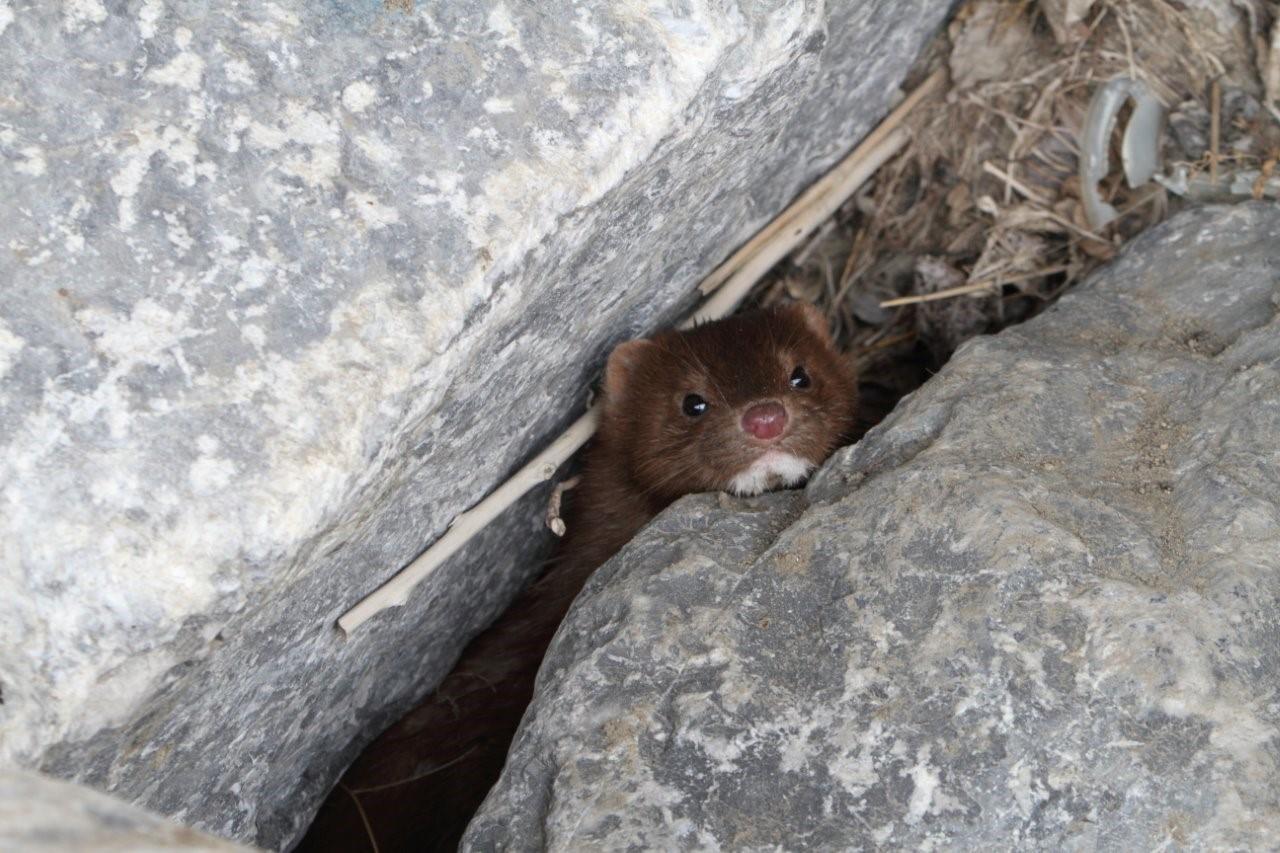
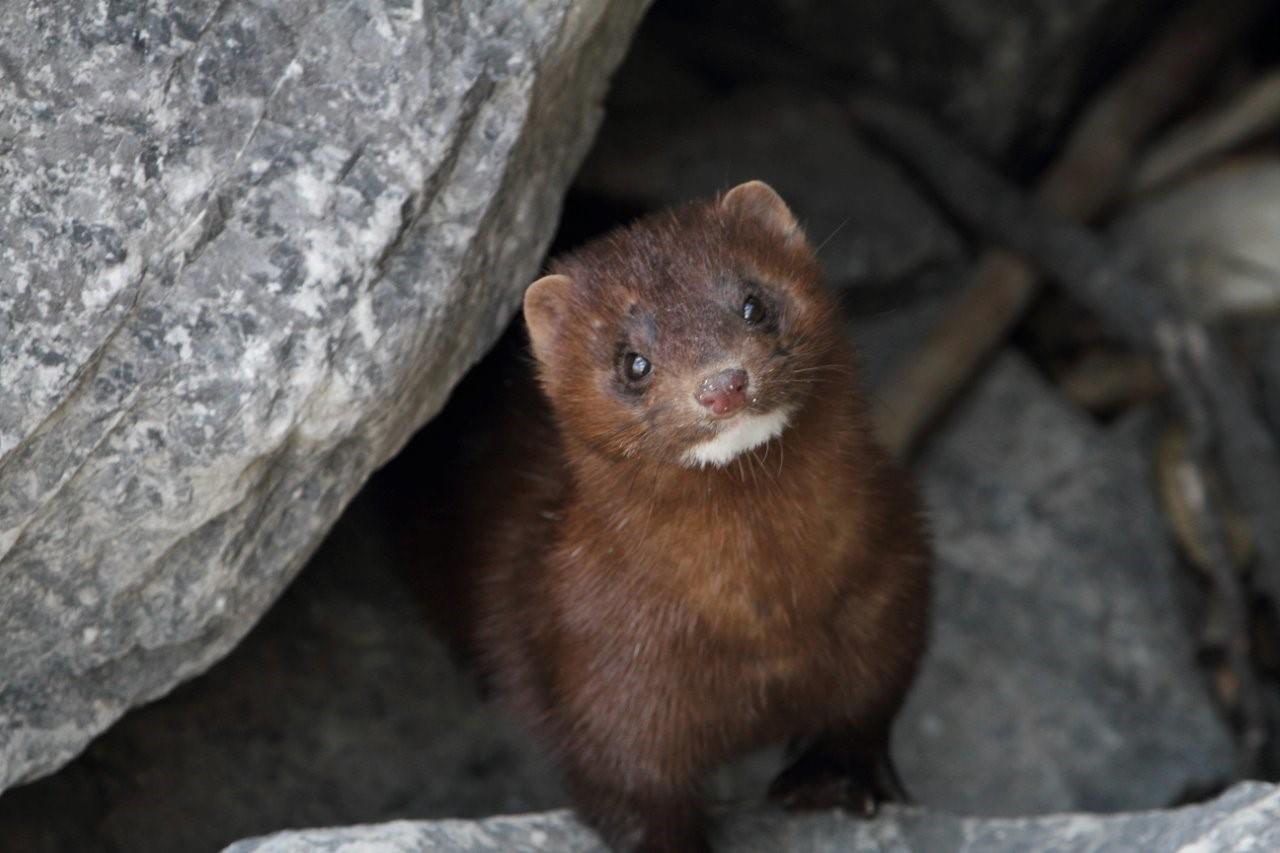
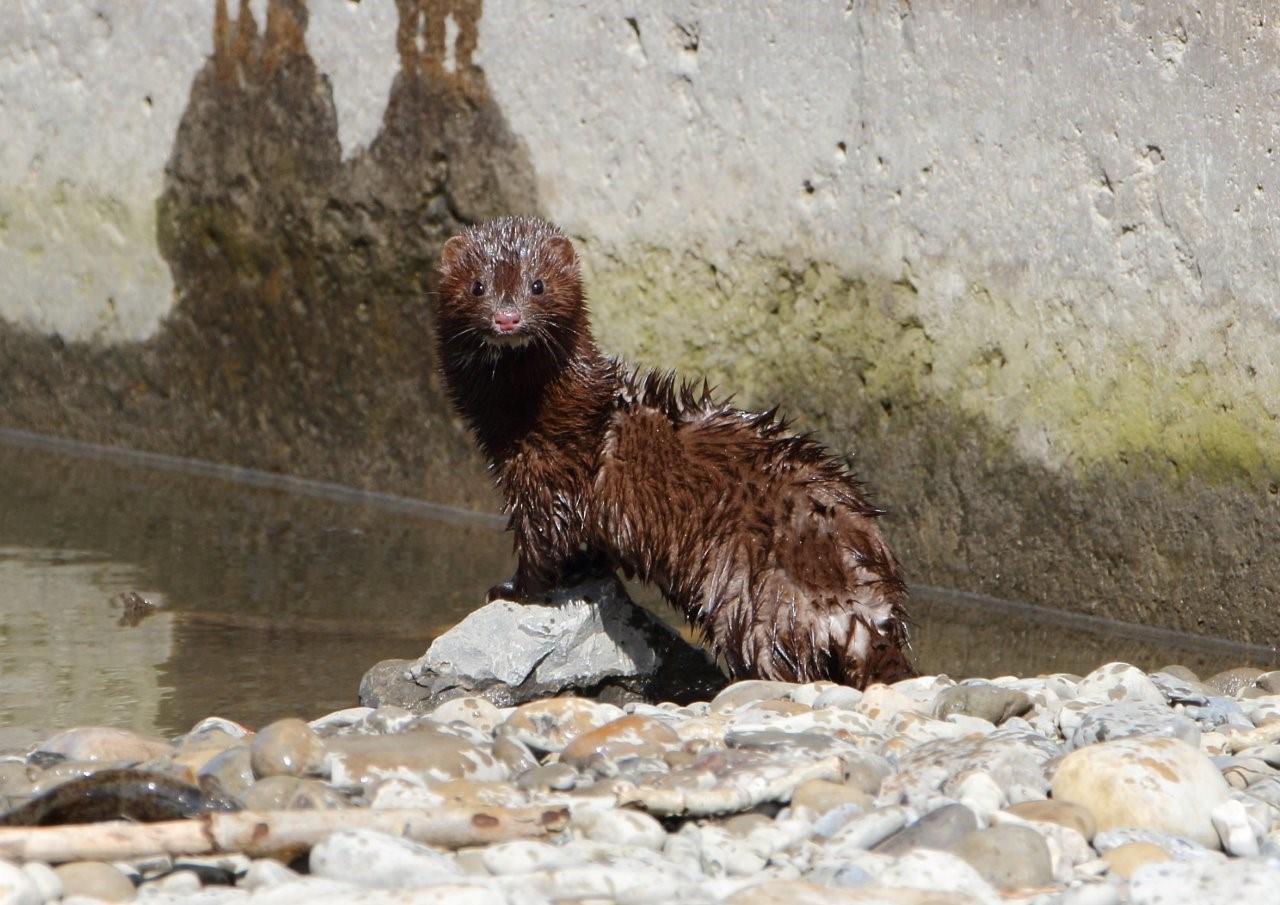
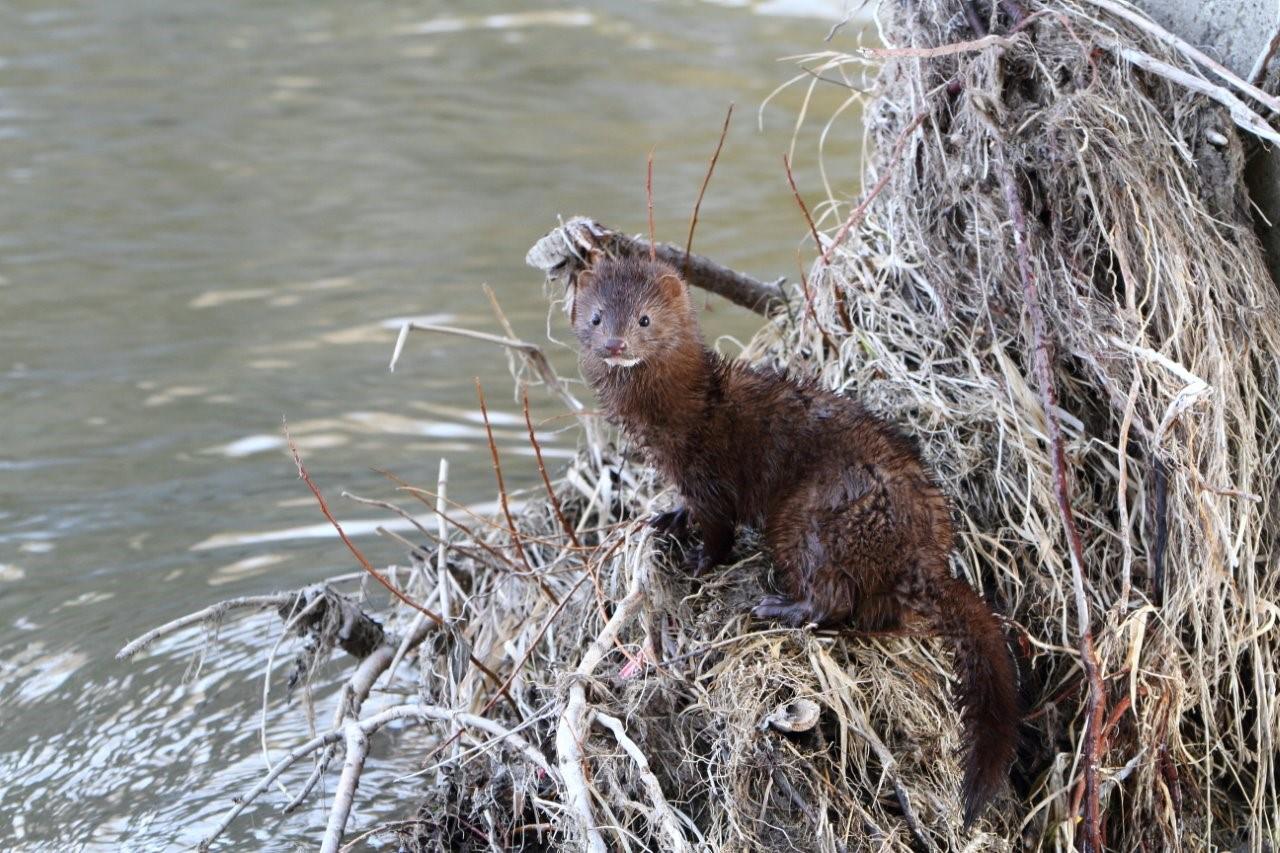
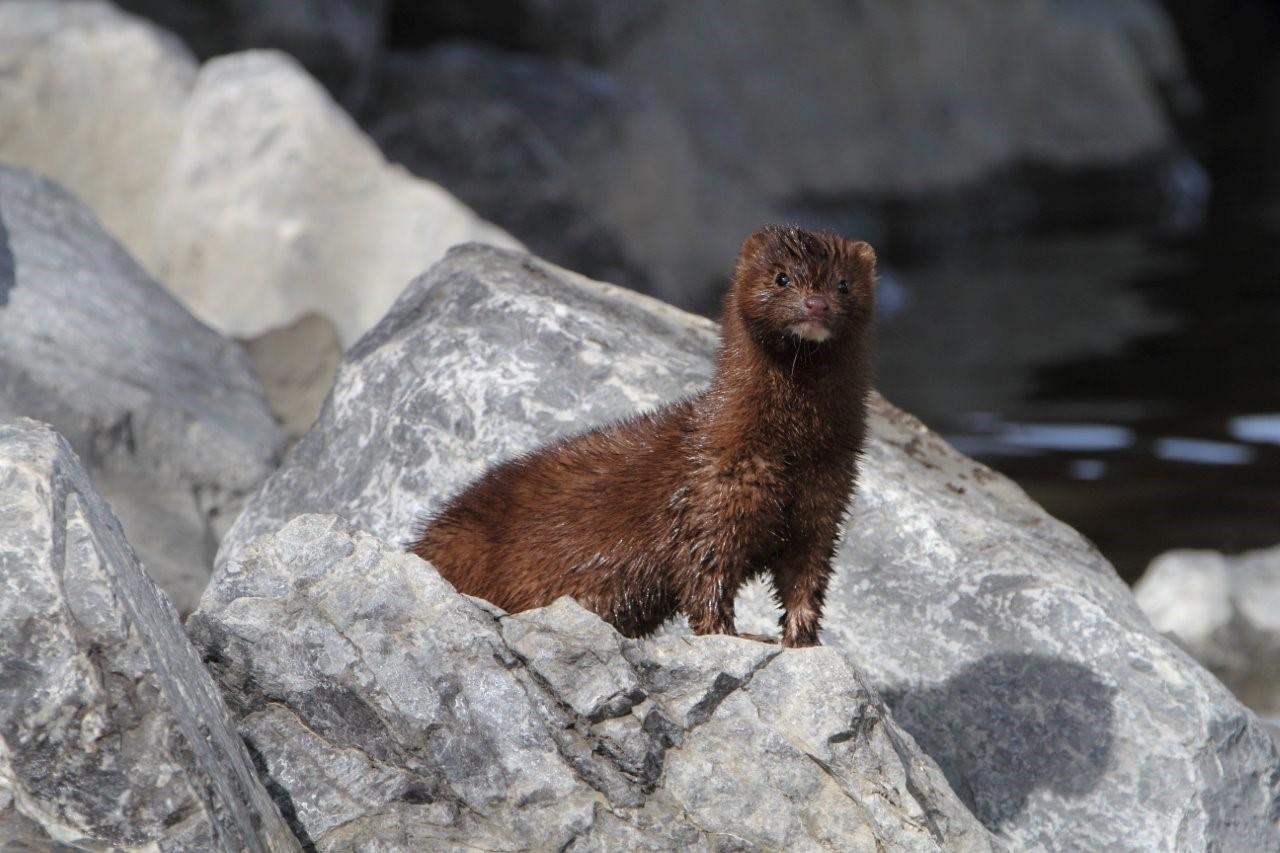
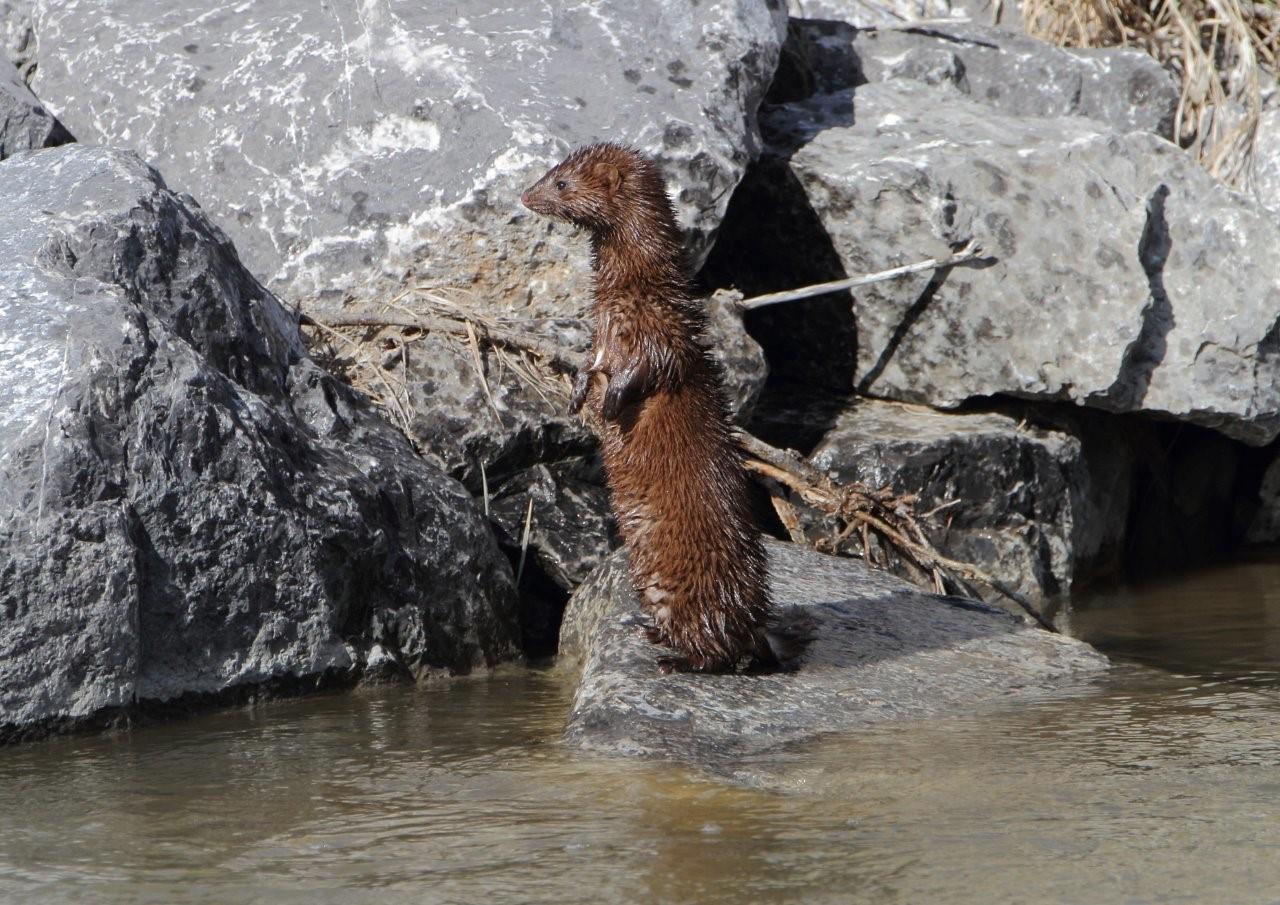
Rob English was lucky enough to see this American Mink hunting in Fish Creek.
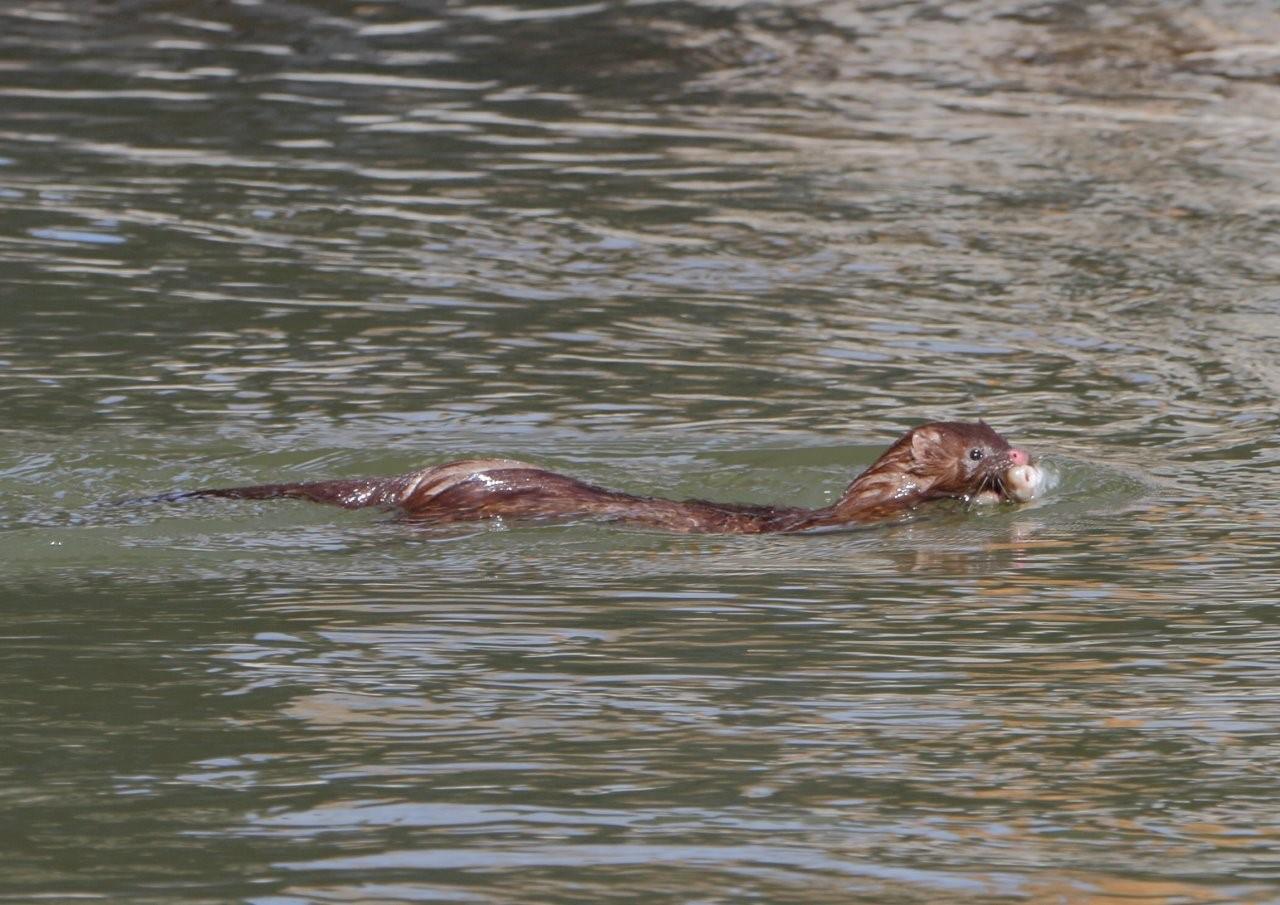
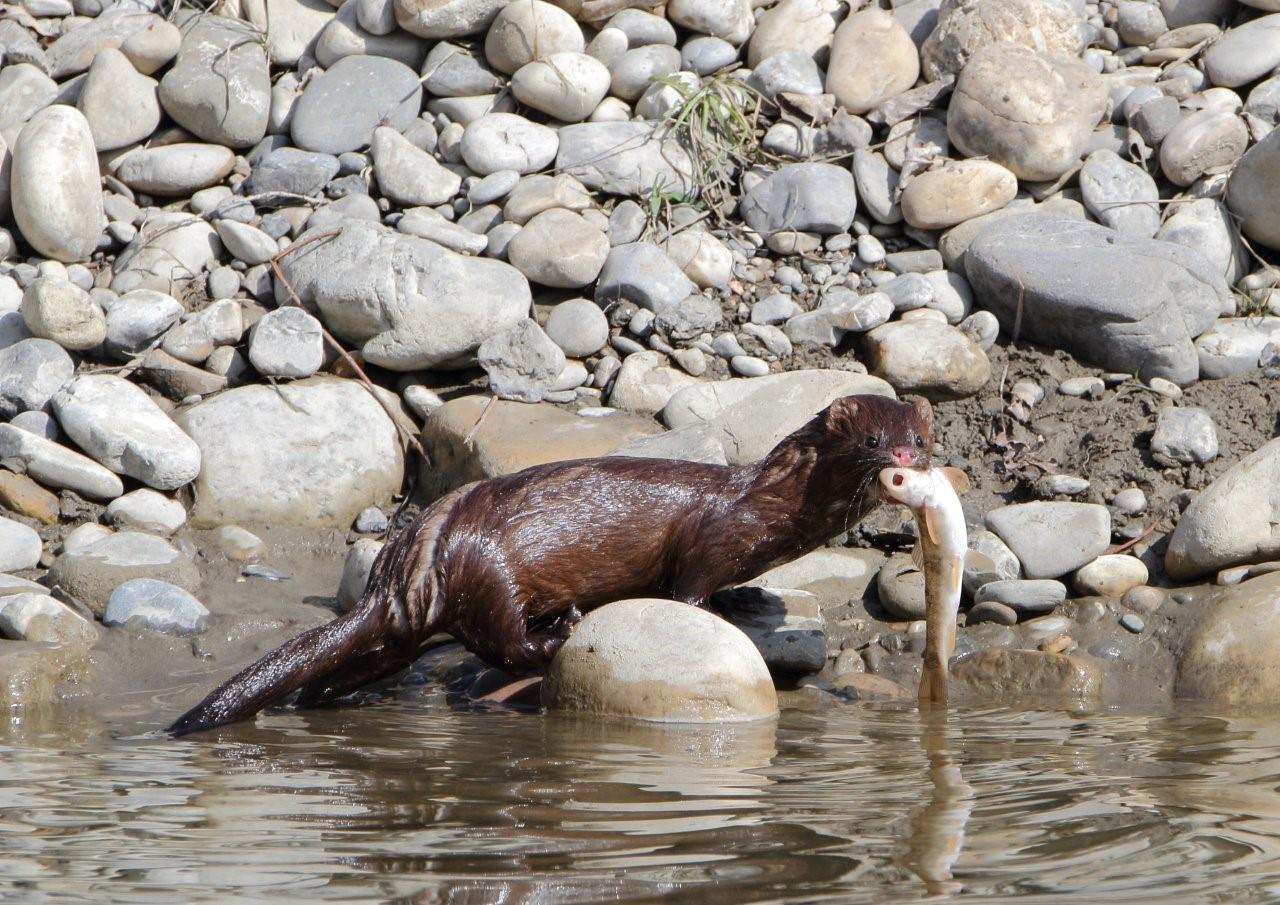
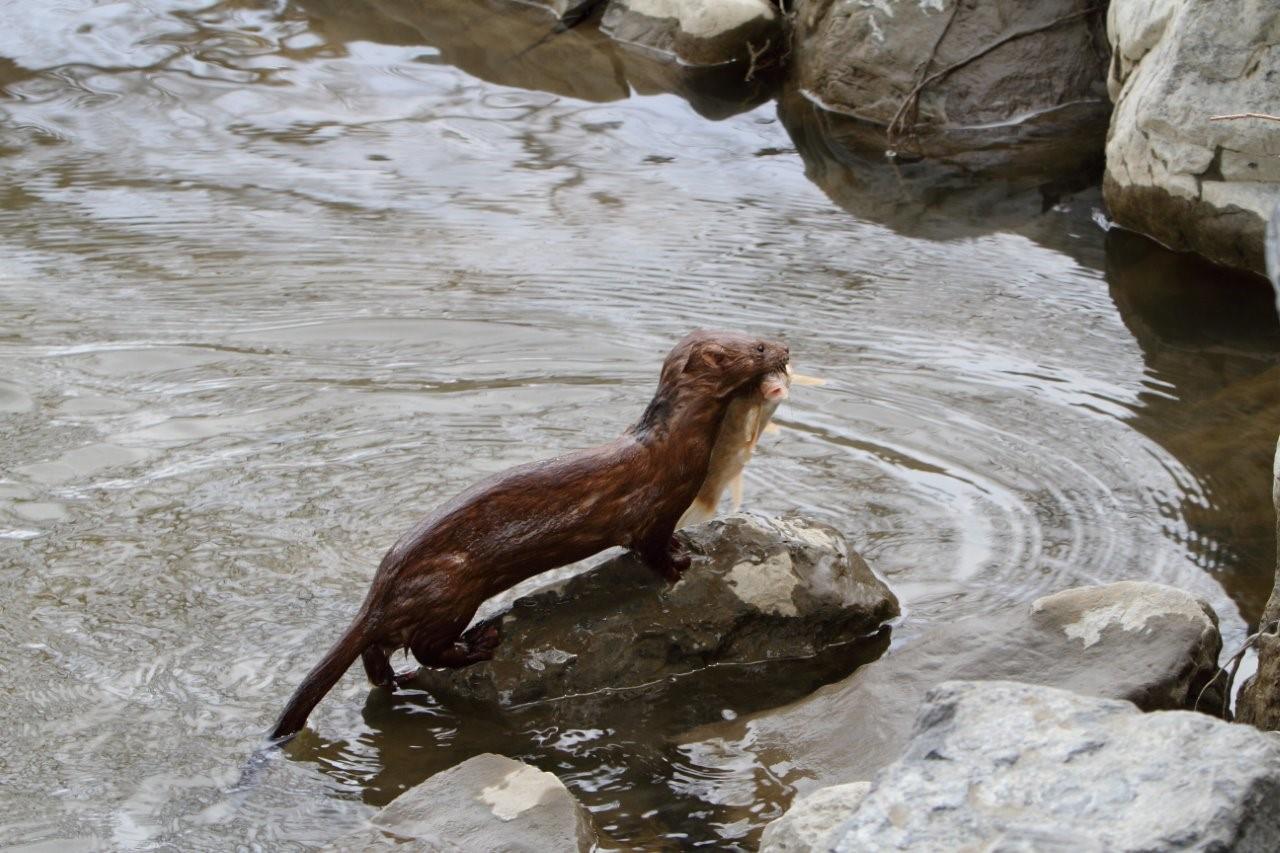
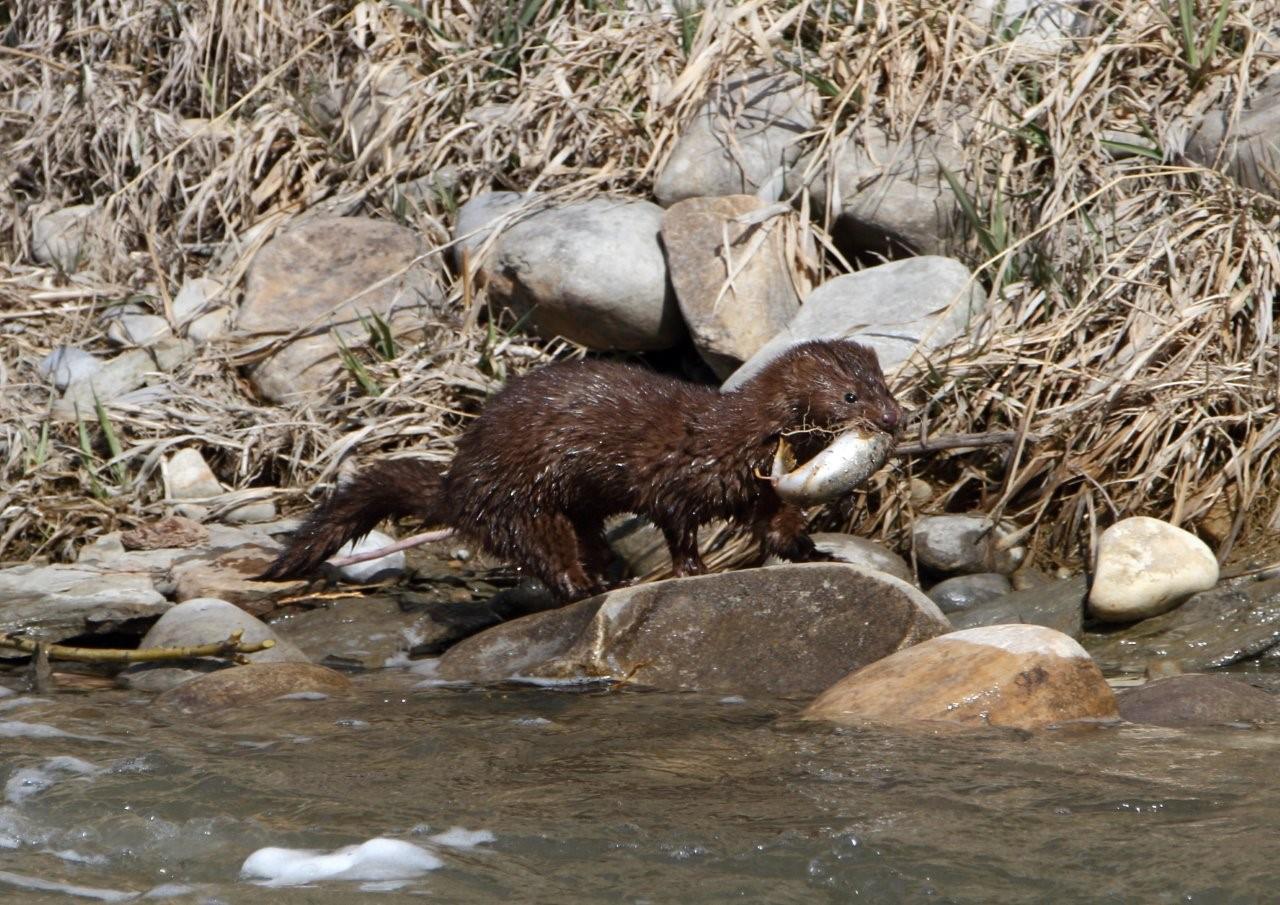
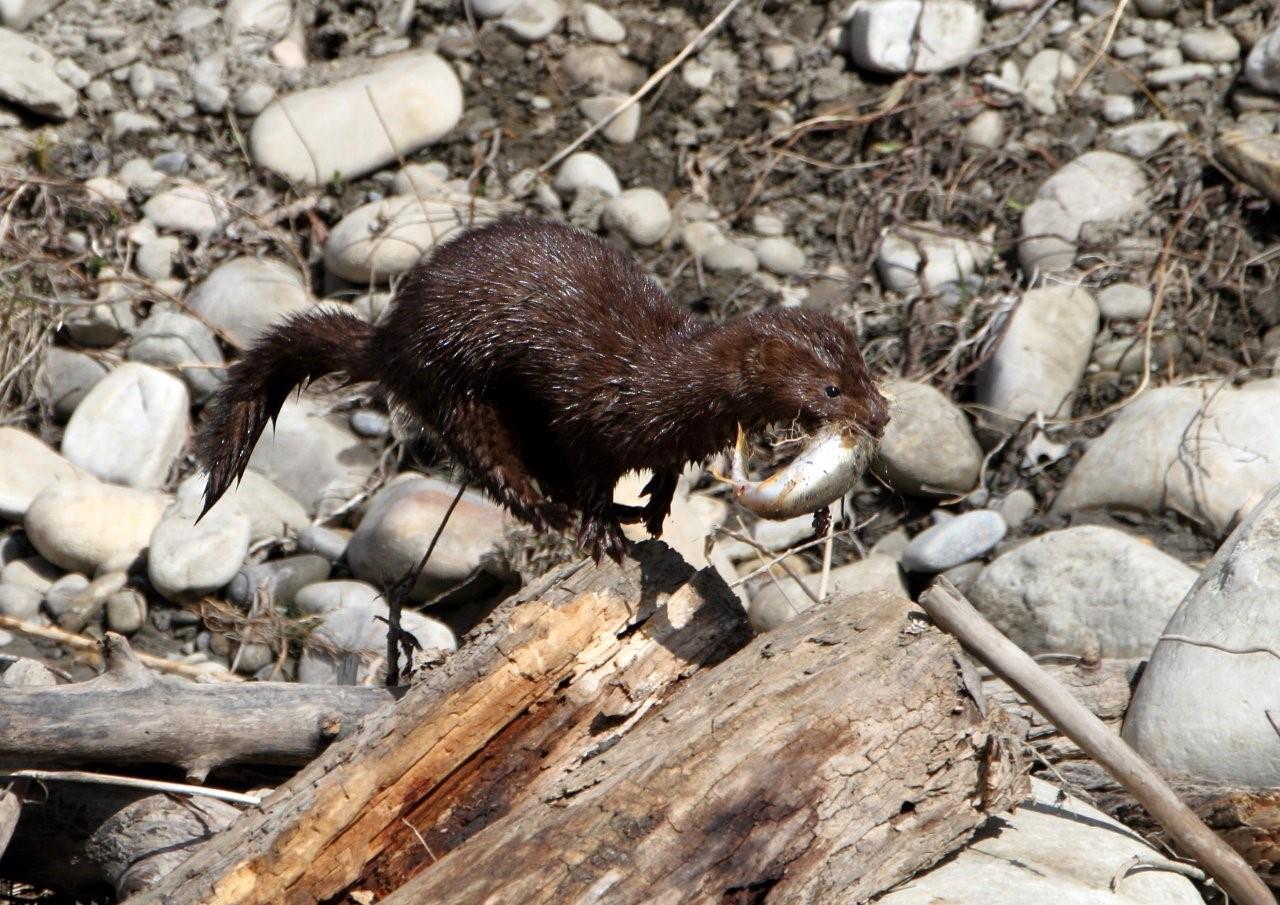
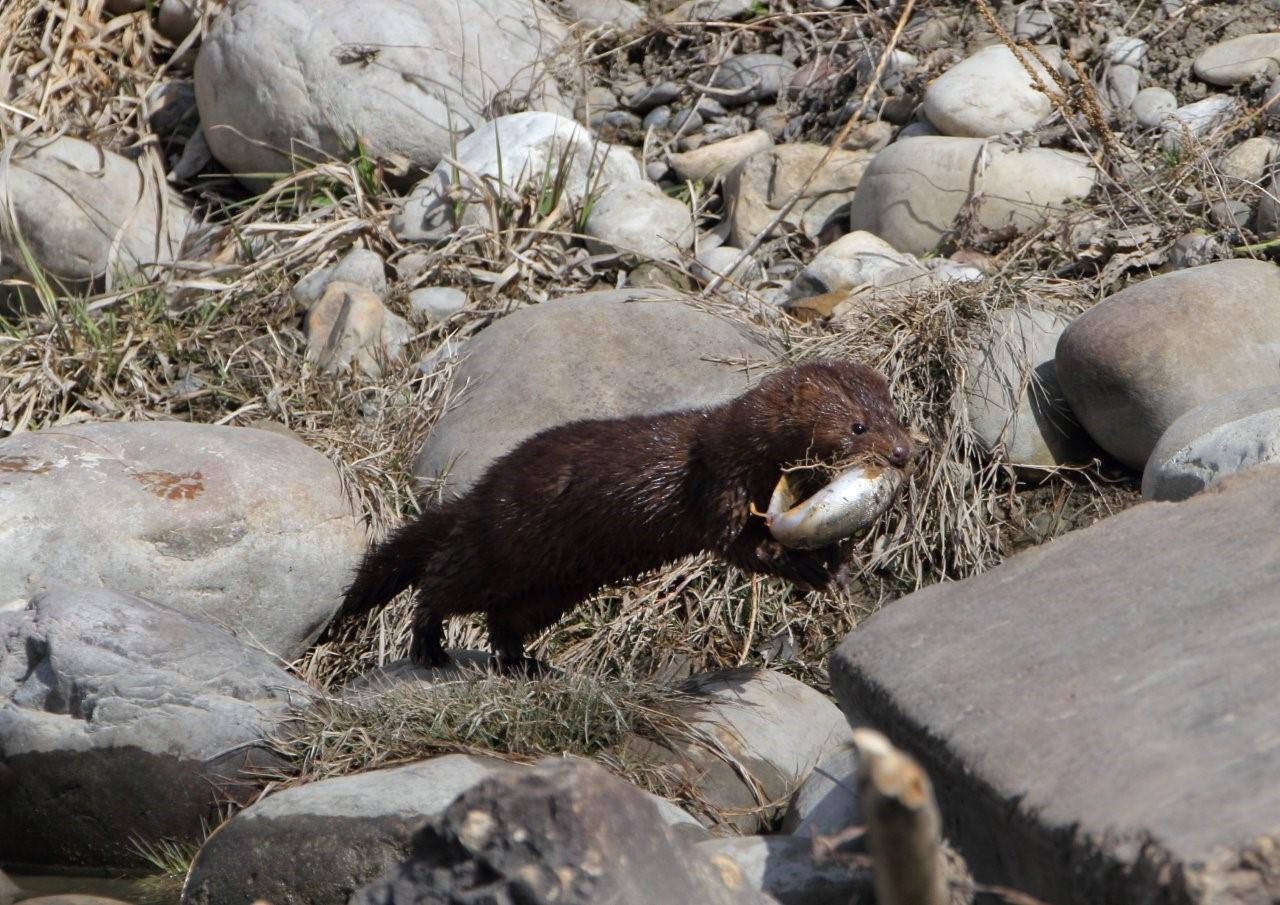
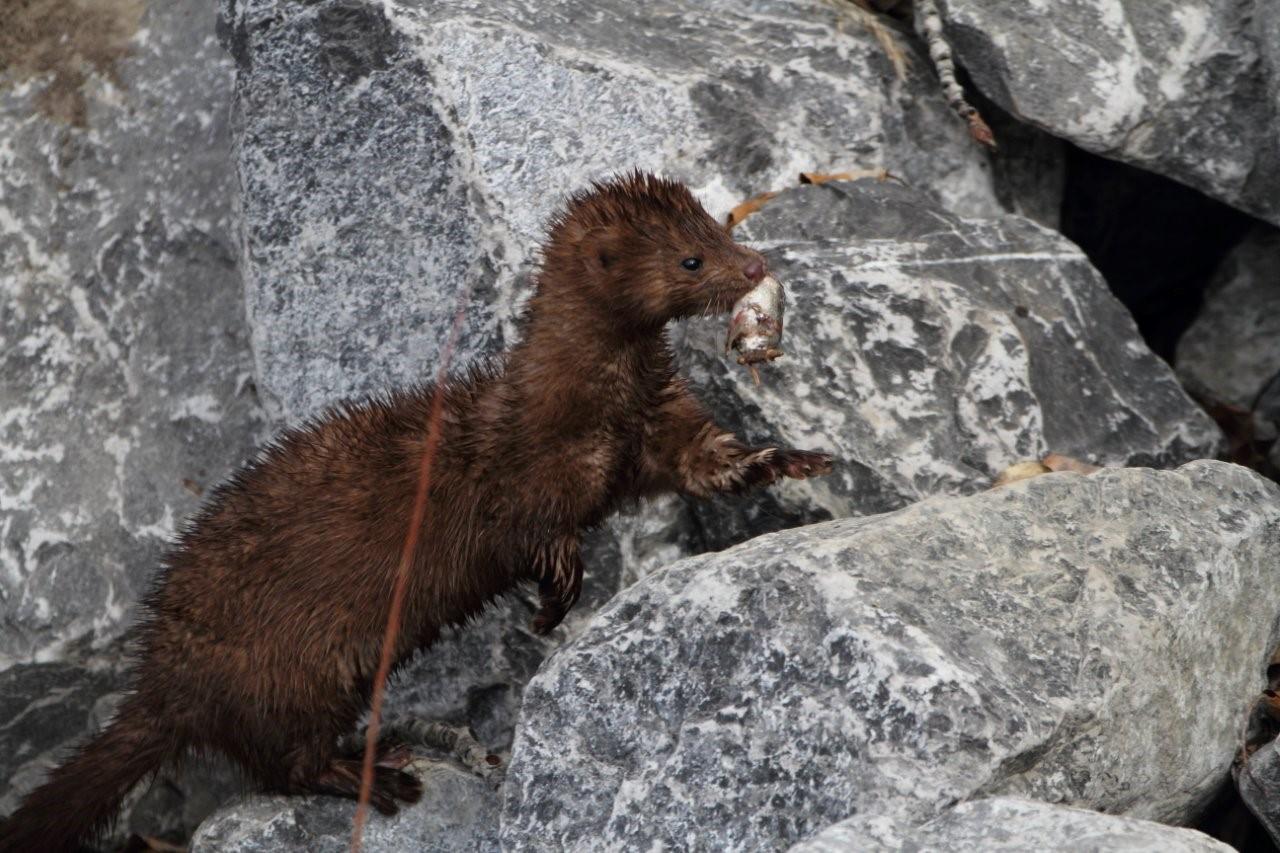
There were three or four mink all together. Here are some photos of the others.
Posted by Dan Arndt
Red-necked Grebes are in my opinion the most photogenic of their family, and in the right conditions of light, cover, and opportunity, I have been able to get quite close to them a few times lately.
These photos were taken this past weekend on the Glenmore Reservoir this past week, and at Frank Lake, Carburn Park, and Bridlewood Wetlands the week before.
Enjoy.

Red-necked Grebe at Bridlewood Wetlands – digiscoped with Swarovski ATX 85

Red-necked Grebe at Frank Lake – digiscoped with Swarovski ATX 85

Red-necked Grebe at Frank Lake – digiscoped with Swarovski ATX 85

Red-necked Grebe at Frank Lake – 500mm, F6.3, 1/500sec, 800ISO Pentax K-5

Red-necked Grebe at Frank Lake – digiscoped with Swarovski ATX 85

Red-necked Grebe at Frank Lake – digiscoped with Swarovski ATX 85

Red-necked Grebe at Carburn Park – digiscoped with Swarovski ATX 85

Red-necked Grebe on Glenmore Reservoir – 1/800, F6.3, ISO640, 500mm, Pentax K-5 + Tamron 1.4x TC
Posted by Dan Arndt
It is nice to finally get a little bit of sun on our walks, and along with the sun came a whole lot of spring migrants through our fair city. It was another great day for waterfowl, and despite the size of the Glenmore Reservoir, we were afforded really great views of just about everything we saw today. While I’m breaking my vow to not repeat species and focus on the new ones we see each week, strangely we didn’t get very close to anything new this week. Sure, there were some Eared and Horned Grebes very far out on the reservoir, and sure our binoculars and views through the scope were excellent, but I’ve come to the realization that digiscoping is best done solo, and not while trying to lead an enthusiastic group of birders on to their next sighting. That said, we did get some excellent views of some of the more elusive mammals we’ve seen in previous weeks, so that’s new too. Oh, and a pair of Long-tailed Ducks showed up. No big deal. They’re just a few thousand kilometers out of range for spring migration, and uncommon even in the fall, but we got them too. Clearly there must be some good fishing on the reservoir this spring, as the grebes, the loons, and many of the other species seen today prey almost entirely on fish. Perhaps that’s why there were so many fishermen out on the reservoir as well?

South Glenmore Park
Our walk started and ended with Common Ravens. Sure, it makes perfect sense, especially considering that they’ve decided to put up a nest not fifty meters from the parking lot, but for most of us, it was really interesting to see. Last year there were a few Common Raven nests along this stretch of parkland, but none quite so exposed. We counted five young ones on this nest this morning, but didn’t really get good looks at them until much later on.
Here’s one of the adults in the “golden hour” light, showing off its nictating membrane.

Common Raven
We headed east along the reservoir from the sailing club, hoping that we might spy some new waterfowl, grebes, or maybe even a few sparrows down along the water’s edge. While other groups this week had reported ten, fifteen, even twenty Common Loons, we were still not prepared for the sheer number out there. There were more loons than I had ever seen in one place, maybe even more total loons than I’d seen individually since I started birding! One of the first new birds we had here this morning was a small raft of Horned Grebes, which were being flushed back and forth along the reservoir by kayakers out for a morning row.

Horned Grebes
Further out, there were a much smaller group of Eared Grebes, a handful of Western Grebes, and many Red-necked Grebes scattered throughout in ones and twos. While we were scanning the far edges of the reservoir, we nearly missed the birds (and mammals) right at out feet, like this Least Chipmunk, who was quite content to just nibble away on sunflower seeds while we snapped away.

Least Chipmunk
It was just a little further on where we saw what I would say was our highlight of the day, if not for the entire course to date: the Long-tailed Ducks.

Long-tailed Ducks
As we watched both them, the close in loons, and the various other birds that caught our eye, the time finally came for us to turn back to our starting point, and along the way back we once again nearly stumbled upon another unwary mammal, a pair of Snowshoe Hare, who had nearly completely lost their winter coat and taken on their typical summer browns.

Snowshoe Hare
And while some locals might think that Black-billed Magpies are a nuisance, annoying, or otherwise “trash” birds, there’s no denying that they are quite striking in just the right light.

Black-billed Magpie
A brief stop at the vehicles to drop a layer of clothing as the morning warmed up significantly allowed us a moment to stop and check in on the Common Raven family. It looks like one of the adults had just brought in some food, as the young were silently begging for a piece.

Common Ravens
After such a good start, we expected that our fortunes would continue, giving us sparrows, warblers, and maybe even some Ruby-crowned Kinglets in the dense spruce on the west side of our route, but sadly, no such luck. On the bright side, we did get even closer looks at Red-necked Grebes, Common Loons, and a pair of American Wigeon in just the right light to show off all their field marks.

American Wigeon: female (l) and male (r)

Common Loons

Red-necked Grebe
Upon our return, and at the end of our great, warm sunny day, it appeared that the young Common Ravens had not quite had their fill, as they were still begging for food as we left the park for another week.

We’re so hungry!
Ospreys have returned and have started to nest on platforms across the city. When this Osprey arrived at the platform at MacLeod Trail and Highway 22x on April 24, he first had to evict a pair of Canada Geese who had thoughts of nesting there too. Photos by Joe Harley.


Joe also got some great shots of an Osprey with a fish south of Carburn Park. This is one of the pair that is nesting at the Lafarge platform along MacLeod Trail just south of Southland Park.


Posted by Dan Arndt
Finally we had a warmer day, and while there was a little wind and the light wasn’t perfect, there were certainly a few moments where everything made it all worth while, even the last few weeks of dreary, snowy misery.
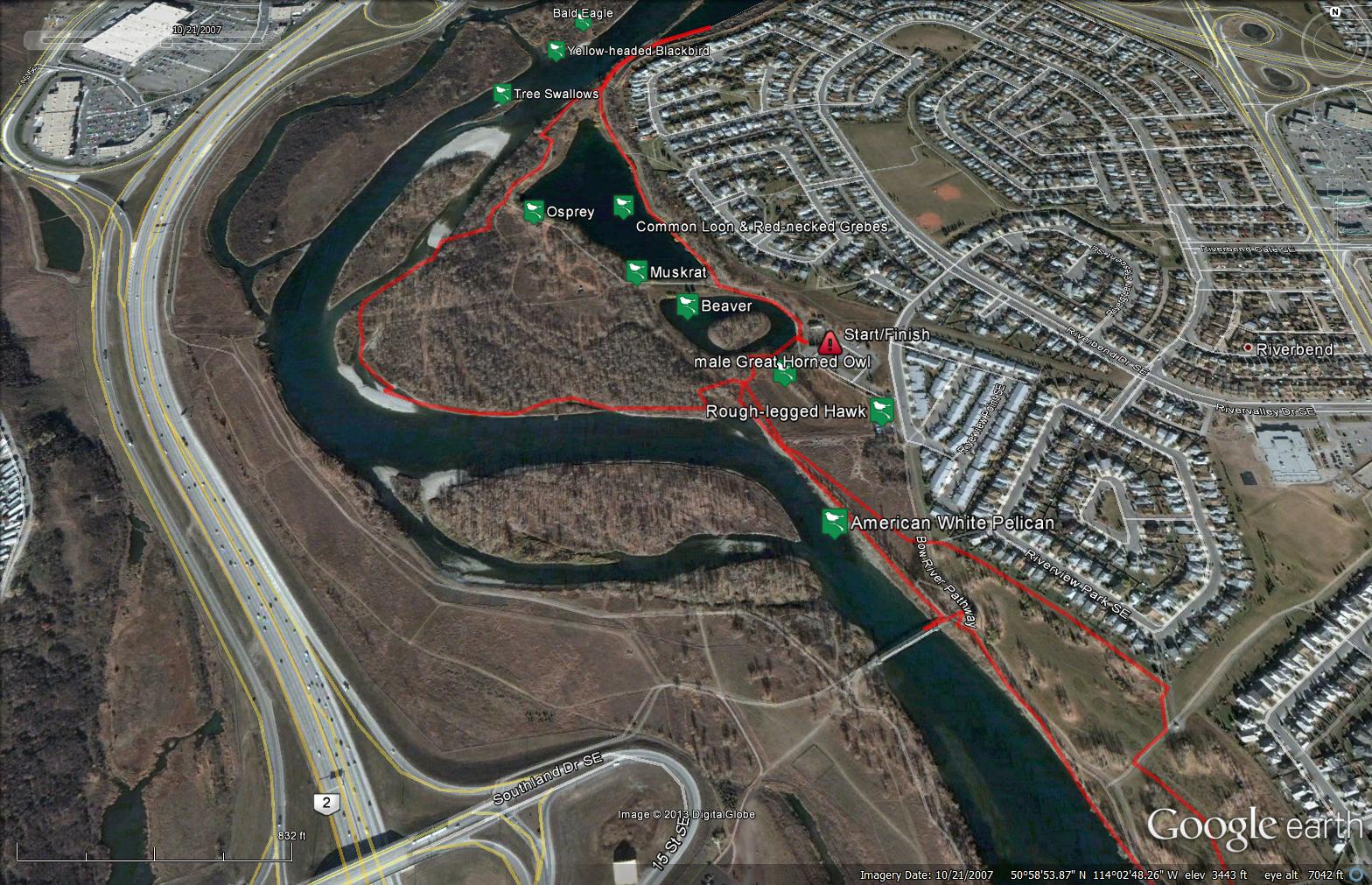
Carburn Park
We started, and finished, with the show-stealers of the day, and it made it difficult to really have anything match the incredible sight.
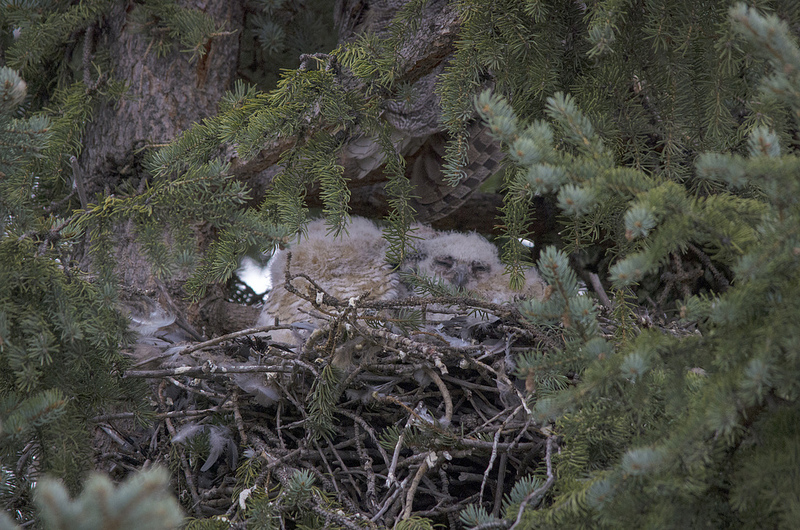
Great Horned Owls
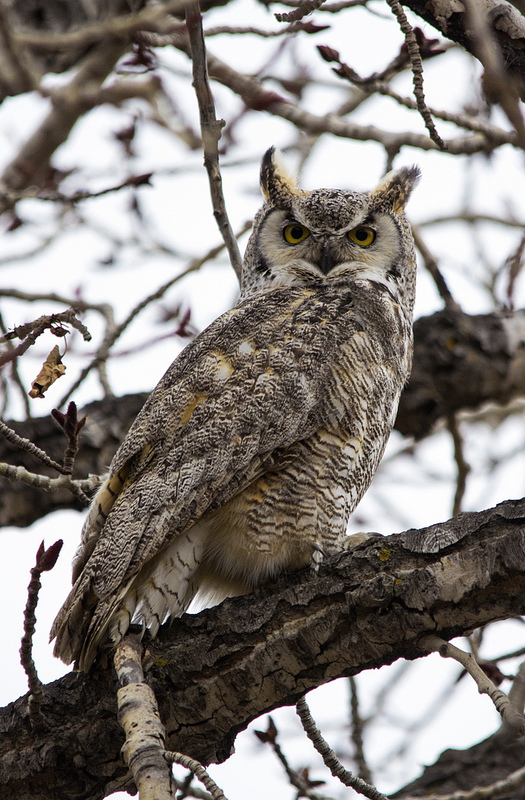
Protective male Great Horned Owl
While Dad was protecting the young, the mother and babies were well guarded and seemed to be completely unfazed by the presence of 14 people checking out the area.
In the first pond at Carburn Park, we saw quite a bit of evidence of beaver activity, and we did manage to spot a pair of them swimming about, with this one getting close enough for me to photograph.
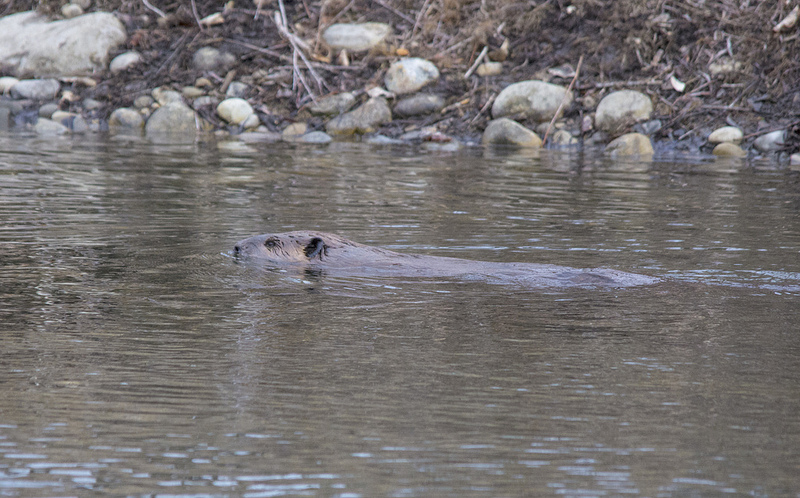
Beaver
While we headed south in the earliest start of the season so far, we got lucky with a few birds we hadn’t seen before, like the Song Sparrow and Savannah Sparrow, but neither were in any position for me to get photos. Swarmed by low flybys of literally hundreds of Tree Swallows at a time, our eyes were on the sky much of the time, allowing me to spot this distant Rough-legged Hawk circling above the parking lot, most likely rising on thermals to continue his northward migration.
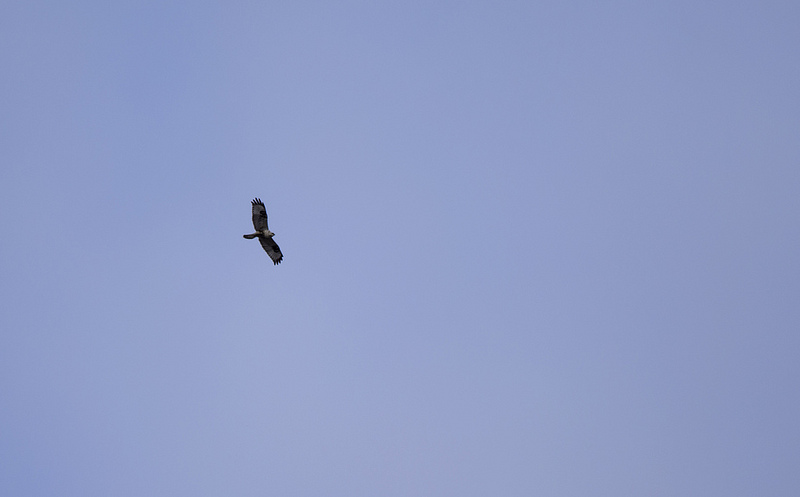
Rough-legged Hawk
As we neared the parking lot again, and scanned along the river to see what we could see, we were gifted with this beautiful flyby of a male American White Pelican. Awesome.
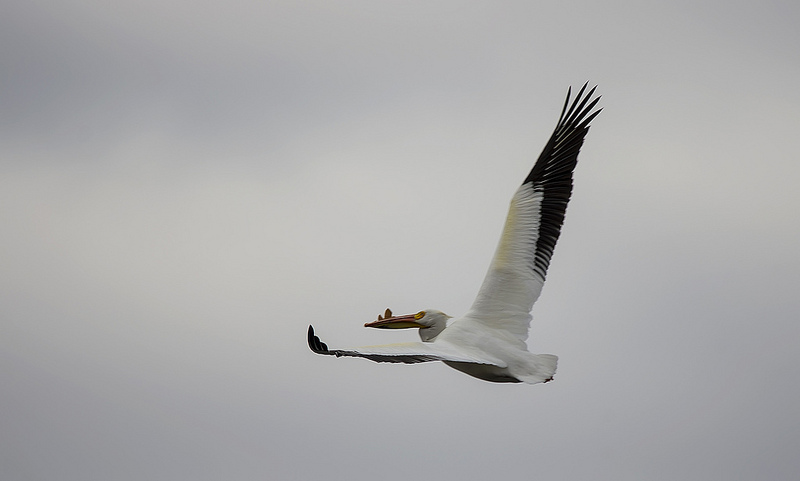
male American White Pelican
We headed up along the bank of the river, and while we saw a good number of Franklin’s, Ring-billed, and California Gulls, and even bigger numbers of Tree Swallows, but due to the number of boats on the river, the photo opportunities were slim. That all changed once we turned back onto main pathway and reached the second pond. We got really good looks at Red-necked Grebes and a single Common Loon, and I knew that if they stuck around, I’d be back later on with the Swarovski ATX 85 to take some much closer shots.
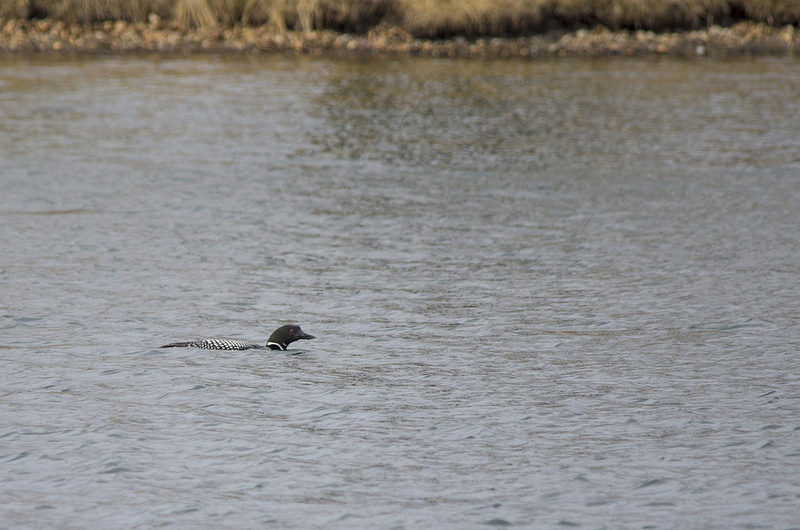
Common Loon
Our next good views were on the river, one of which was, I think, one of the most surprising of the day. A lone Yellow-headed Blackbird was flocking with a group of European Starlings. For a bird that is almost always seen in cat-tail wetlands, seeing it foraging on the bank of the river was really odd!
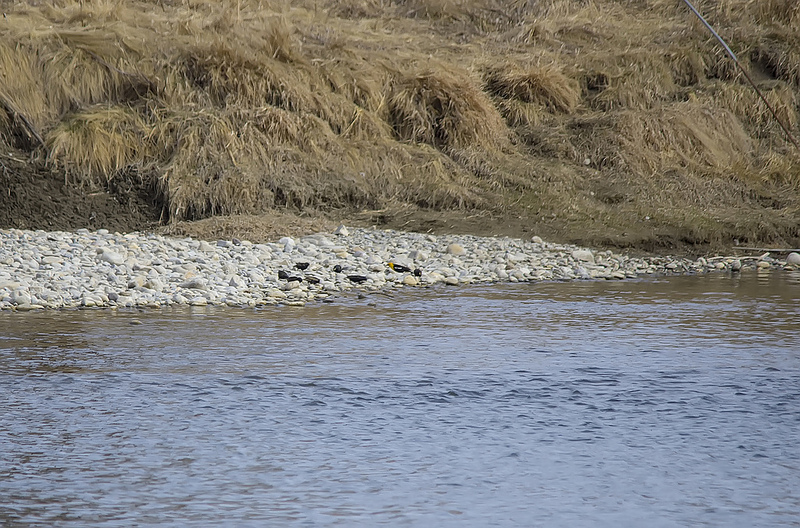
Yellow-headed Blackbird and European Starlings
Another of the awe-inspiring sights was the Tree Swallows banking, diving, and feeding over the Bow River, and I think we had just as much fun watching them.
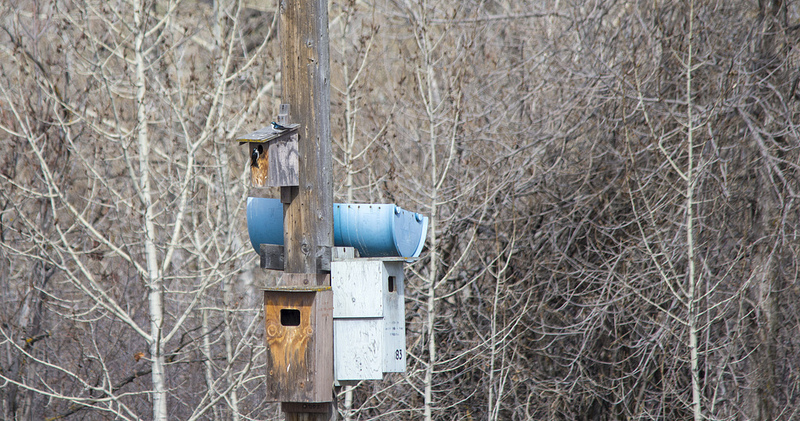
Tree Swallows on nest box
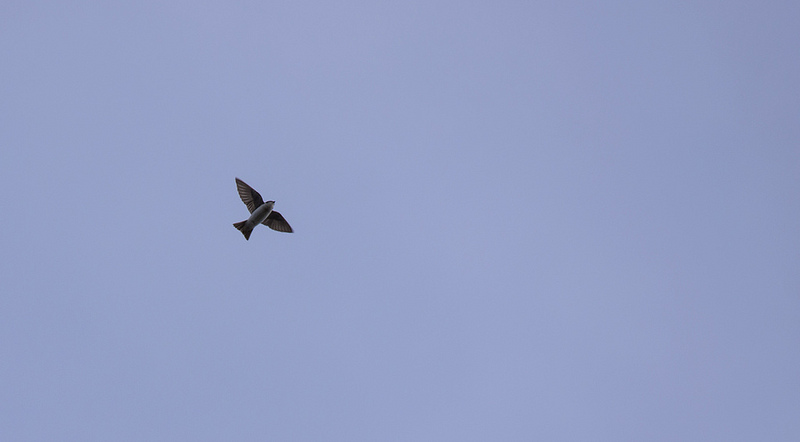
Tree Swallow in flight
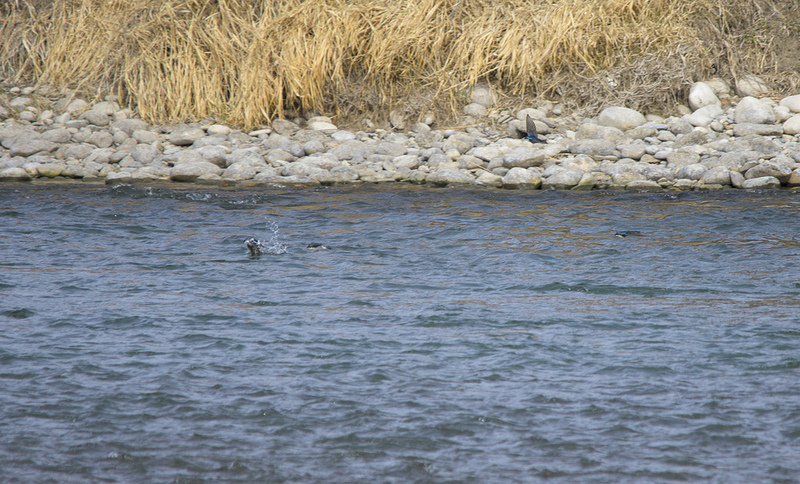
Tree Swallows going for a drink
We headed back, prepared to call it a day, and had our best views of a pair of Osprey in the distance.
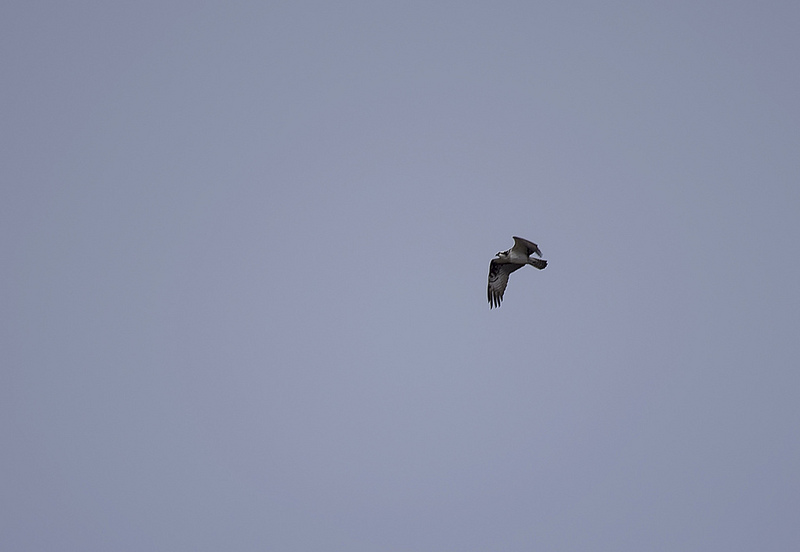
Osprey
After the rest of the group left, I returned to the bank of the second pond to see what I could see through the scope, and get some better photos of the Red-necked Grebes, Common Loon, and I ended up getting some nice ones of the Great Horned Owls as well!
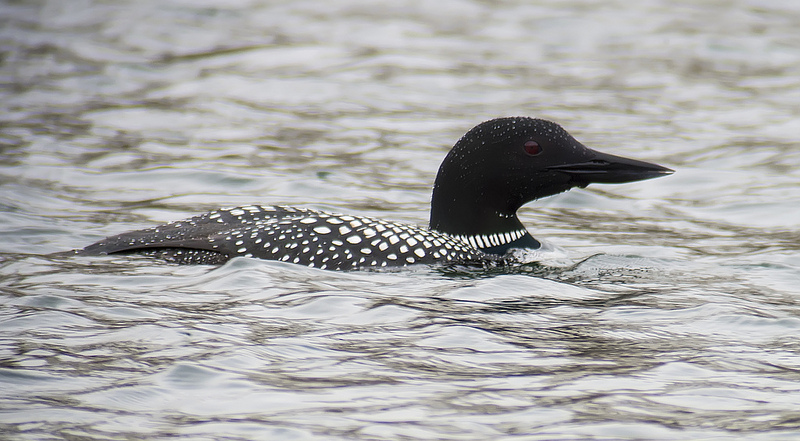
Common Loon
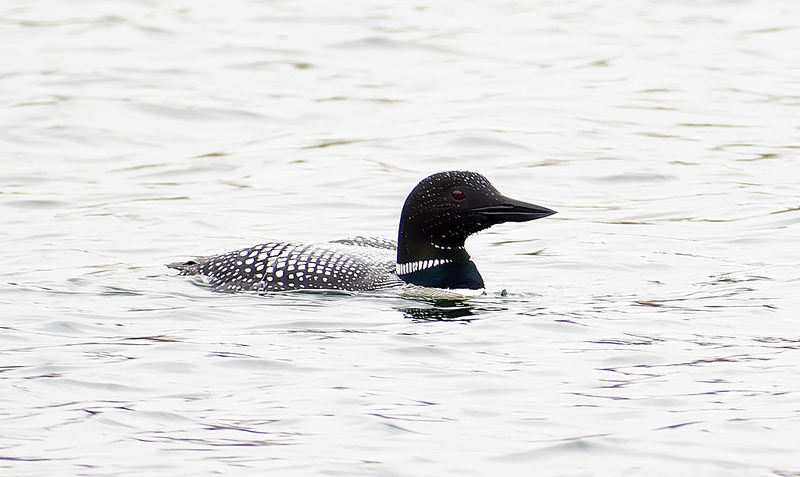
Common Loon
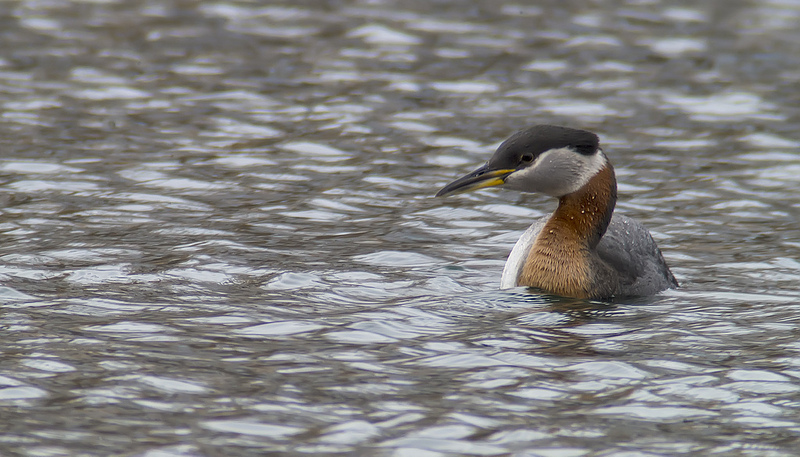
Red-necked Grebe
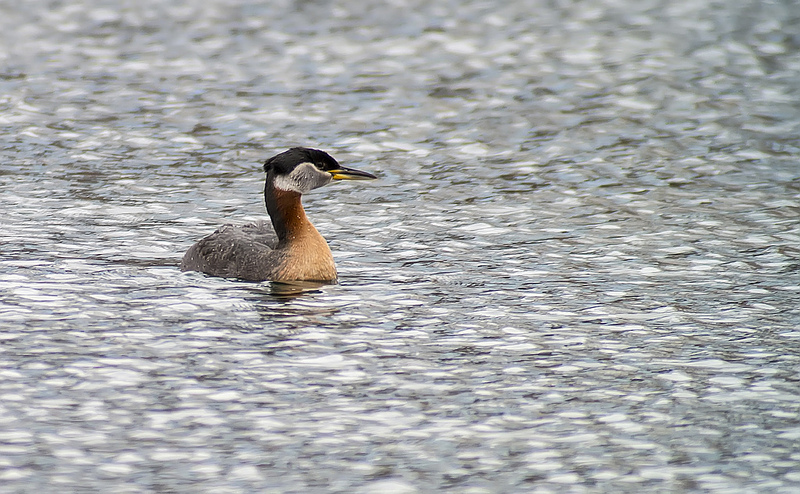
Red-necked Grebe
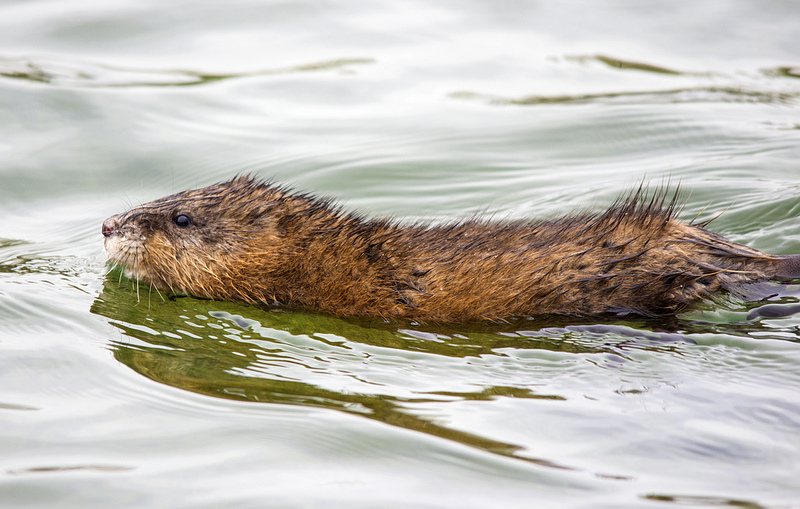
Muskrat
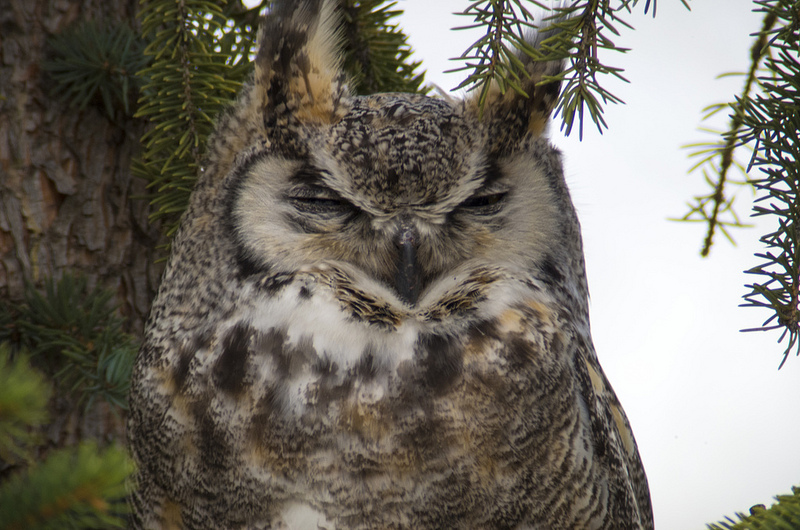
Great Horned Owl
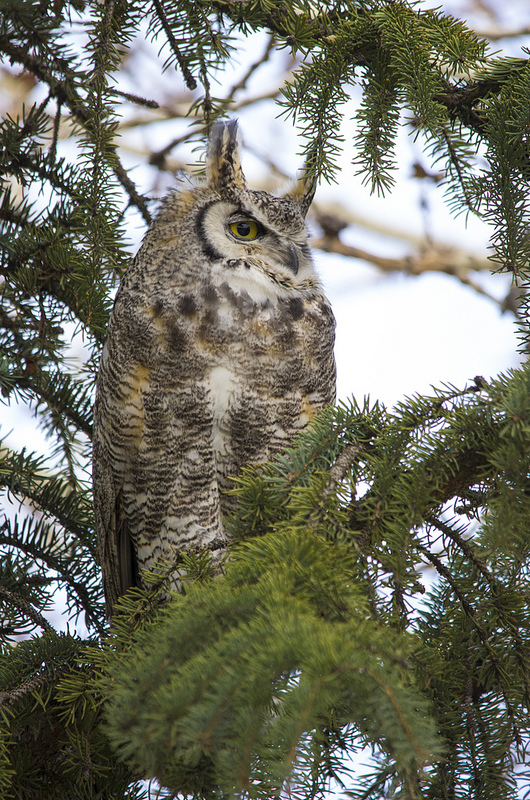
Great Horned Owl
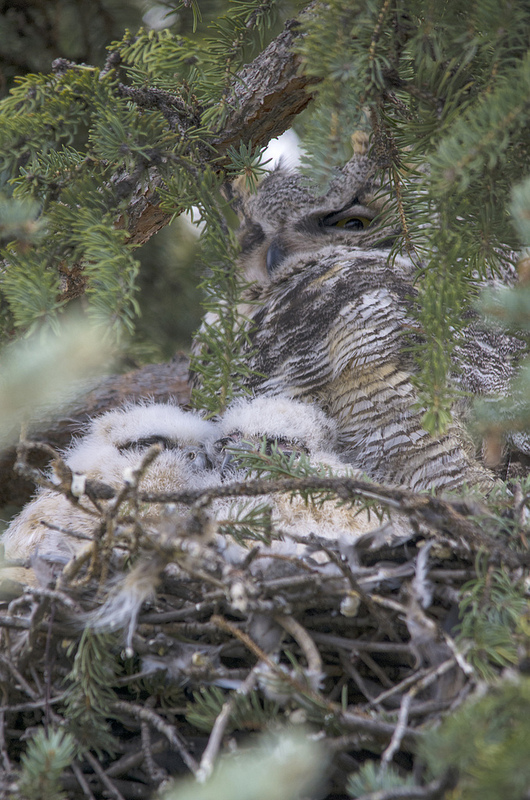
Aren’t they just adorable?
Thanks for reading!
Next week, we’re off to South Glenmore Park, to see what we can see on the Glenmore Reservoir, and maybe luck out with some early arriving warblers and a few more sparrows.
Good birding!
Rob English photographed these Tundra and Trumpeter Swans in the Frank Lake area in the first week of April.


The Ospreys are back on the nesting platform at the Calgary Zoo. So far there are just a few sticks on the platform, so if you tune in to the live Enmax web cam, over the next few weeks you can watch them build the nest, lay eggs, and raise their young until they fledge.
Below is a link to the web cam. We will also have a link on the right sidebar of our Home Page throughout the nesting season. Check out the U of C Peregrine Falcon nest cam too!
Posted by Bob Lefebvre
Last month when I was out looking for Snowy Owls, I came across this Merlin feeding on a European Starling.


Posted by Dan Arndt
Another cold, snowy, and dull day here in Calgary. The Sunday curse has struck again, leaving us with a bitterly cold north wind, and the least bird activity we’ve seen all spring. While we did get some decent new birds for the year, and a couple of great surprises while walking in Inglewood Bird Sanctuary on Sunday, our participant numbers were still low, and so were the species we found.

Inglewood Bird Sanctuary
While the wind was blowing and the skies were grey, our first new species of the day was the Eurasian Collared-Dove. I don’t know that I’ve ever actually seen one of these birds inside the bird sanctuary, or so it was a nice find!

Eurasian Collared-Dove
As we approached the river, we were on the lookout for the Mountain Bluebirds that I had seen earlier in the week, but instead we happened across a group of American Pipits on the river bank, with a brief stop out on the nearest gravel bar before heading up stream.

American Pipits
As we watched the pipits and scanned the far bank, we were lucky enough to spot a Franklin’s Gull fly in and land among a few other gulls, but given how far it was, getting a clear shot was quite the challenge.

Franklin’s Gull
We soon came upon a lone Coyote raiding a Canada Goose nest, and saw him stealing away an egg. Sad for the geese, but there were many pairs successfully nesting in the sanctuary, and their numbers really are ever in question. This one was seen nesting in the same cavity that I’ve seen her in for the last three years at least.

Canada Goose
Our last surprise of the day was a second small flock of Bohemian Waxwings going down to the river for a drink before flying off. They stopped briefly for us before flying off, hopefully symbolizing the end of the winter weather and bringing on spring in full force!
Good birding!