Rob English photographed this beautiful bird that his wife spotted on Grand Valley Road in mid-July.


Rob English photographed this beautiful bird that his wife spotted on Grand Valley Road in mid-July.
Mitchell Kranz found this group of Great Gray Owls, including four adults and three owlets, west of Turner Valley in late July.


Photo by Logan Gibson.
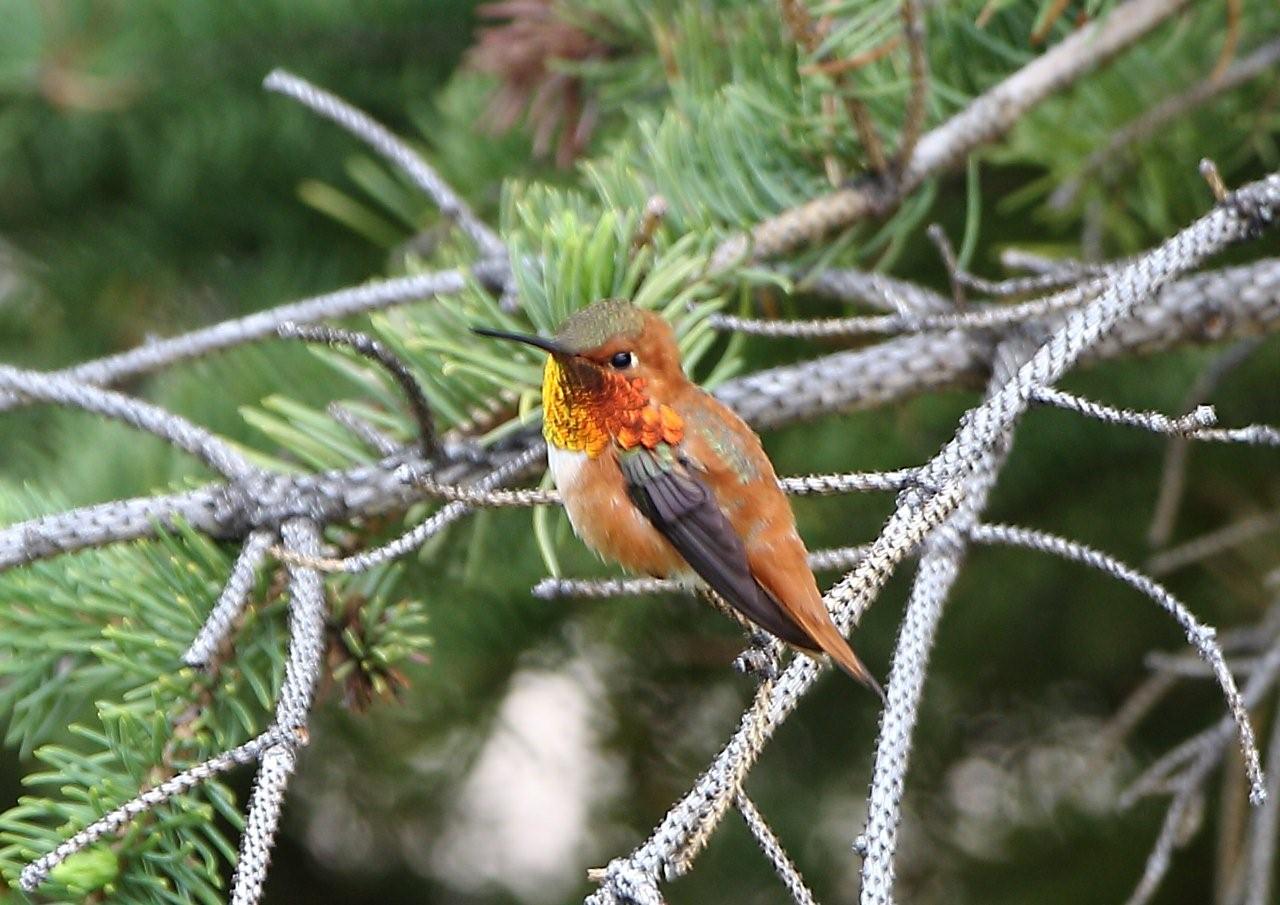
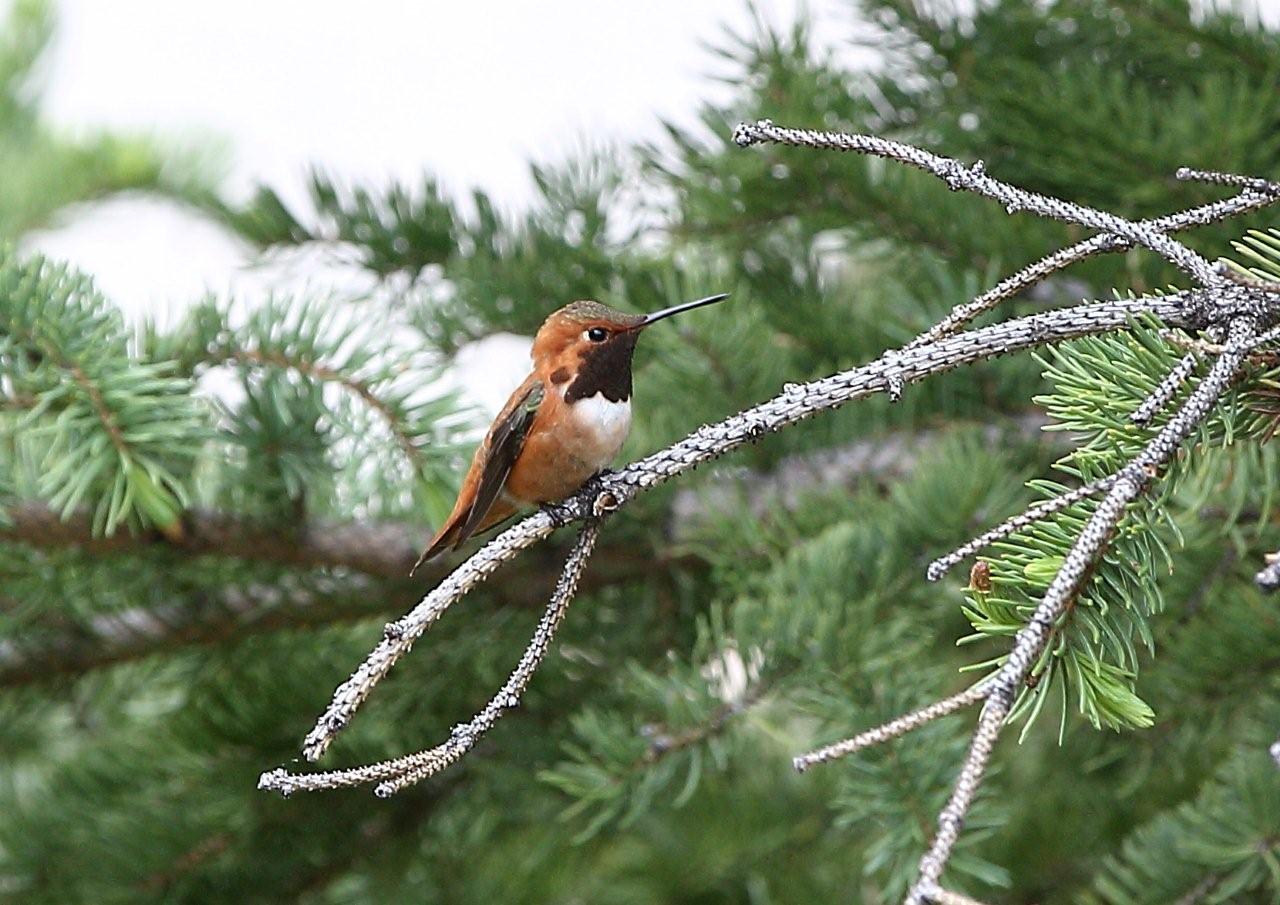
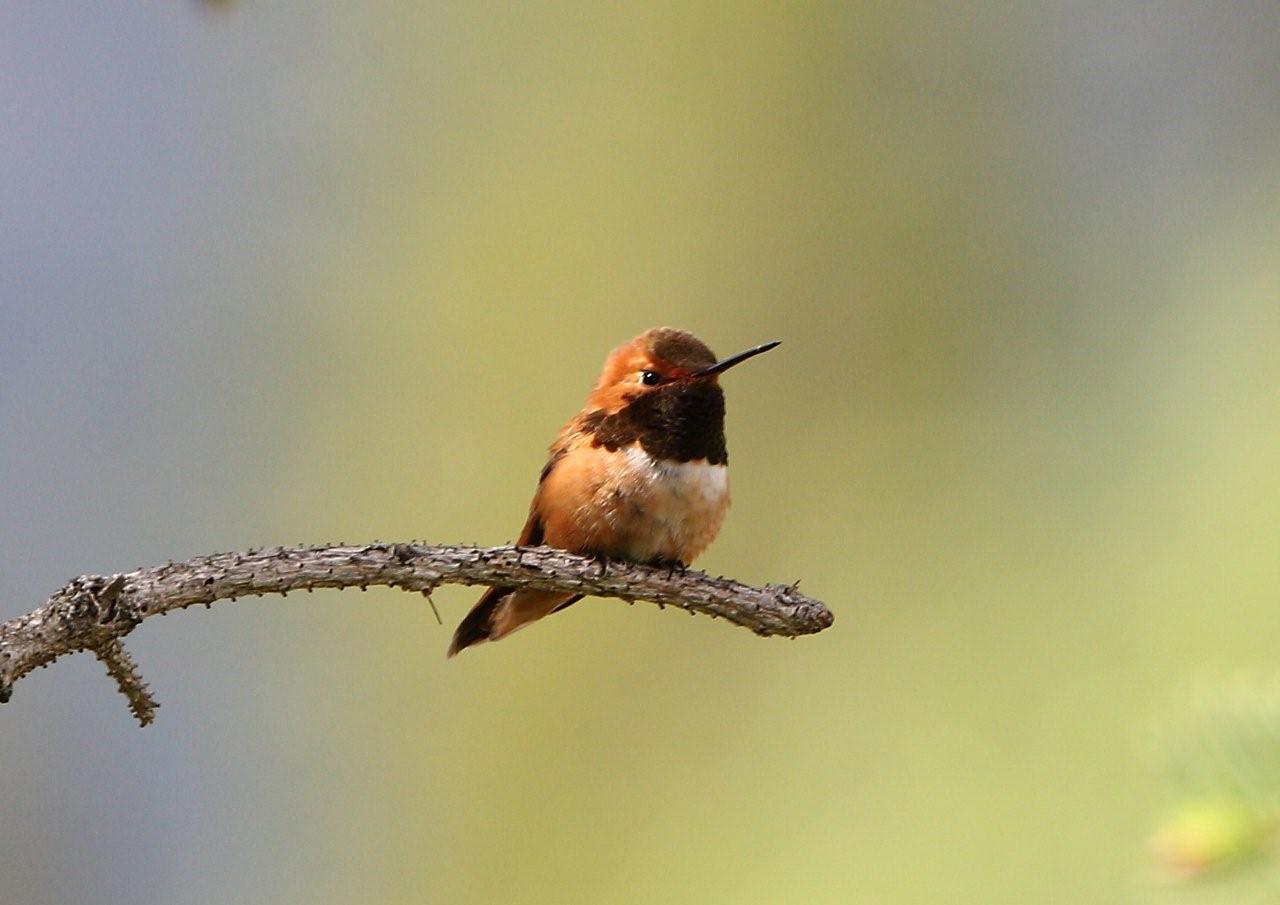
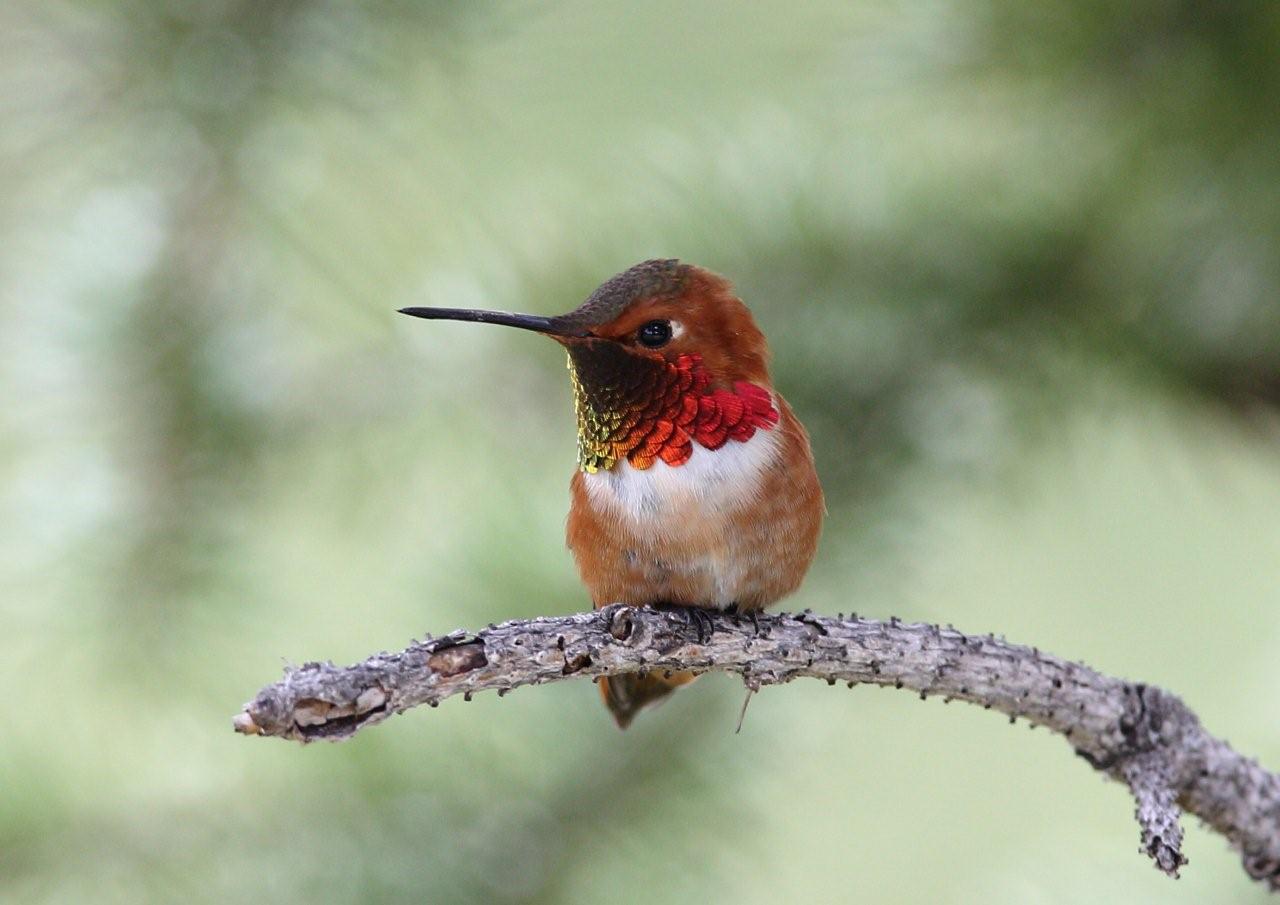
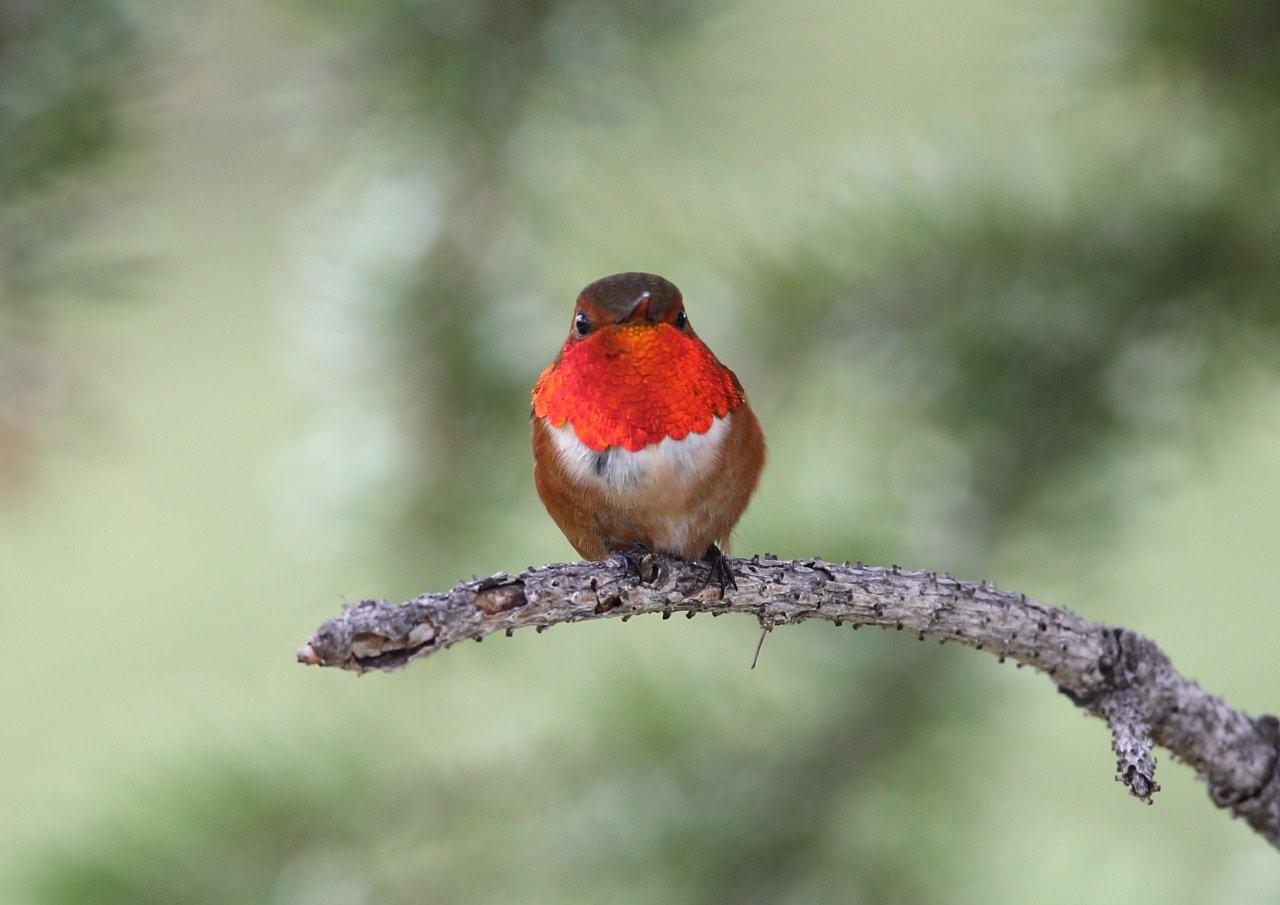
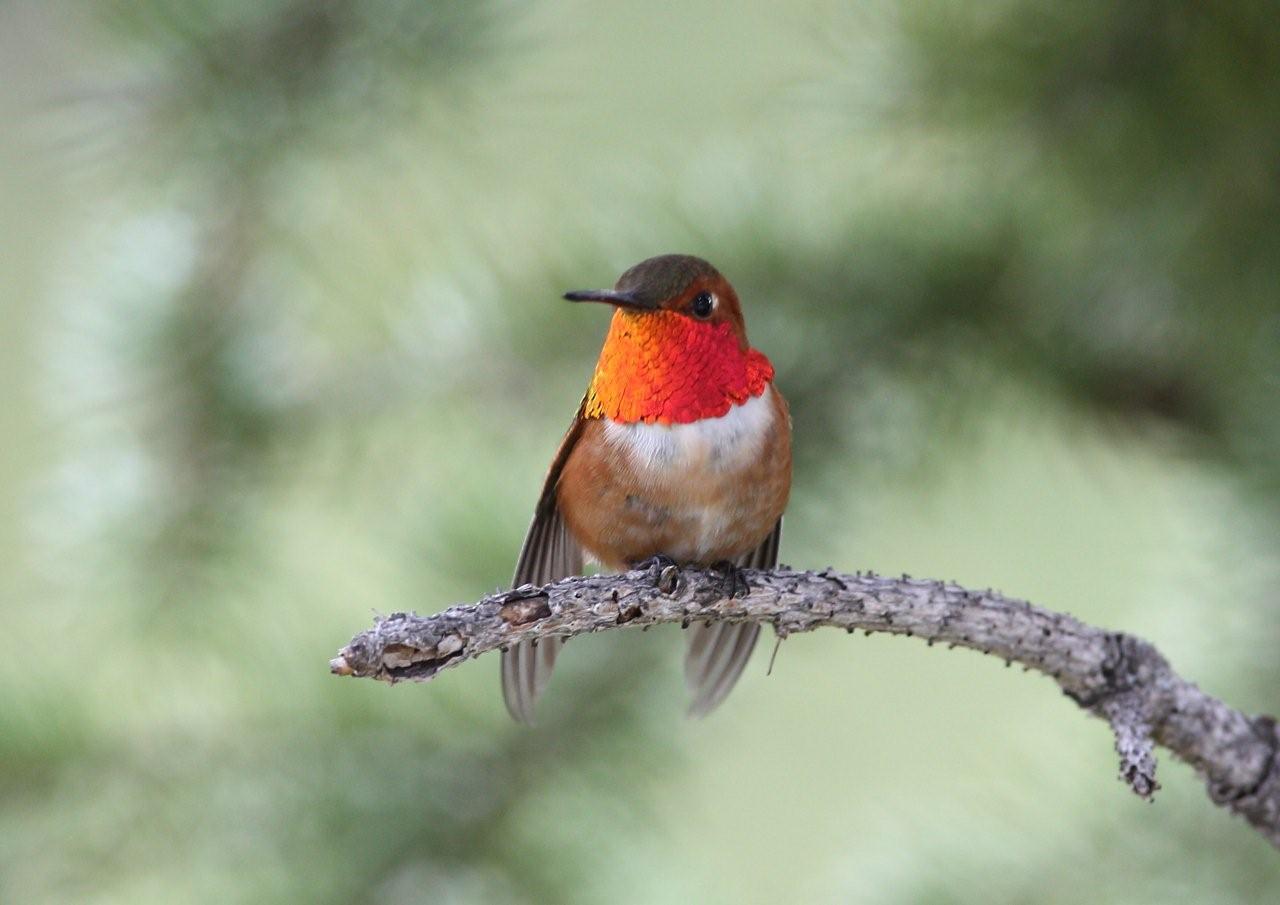
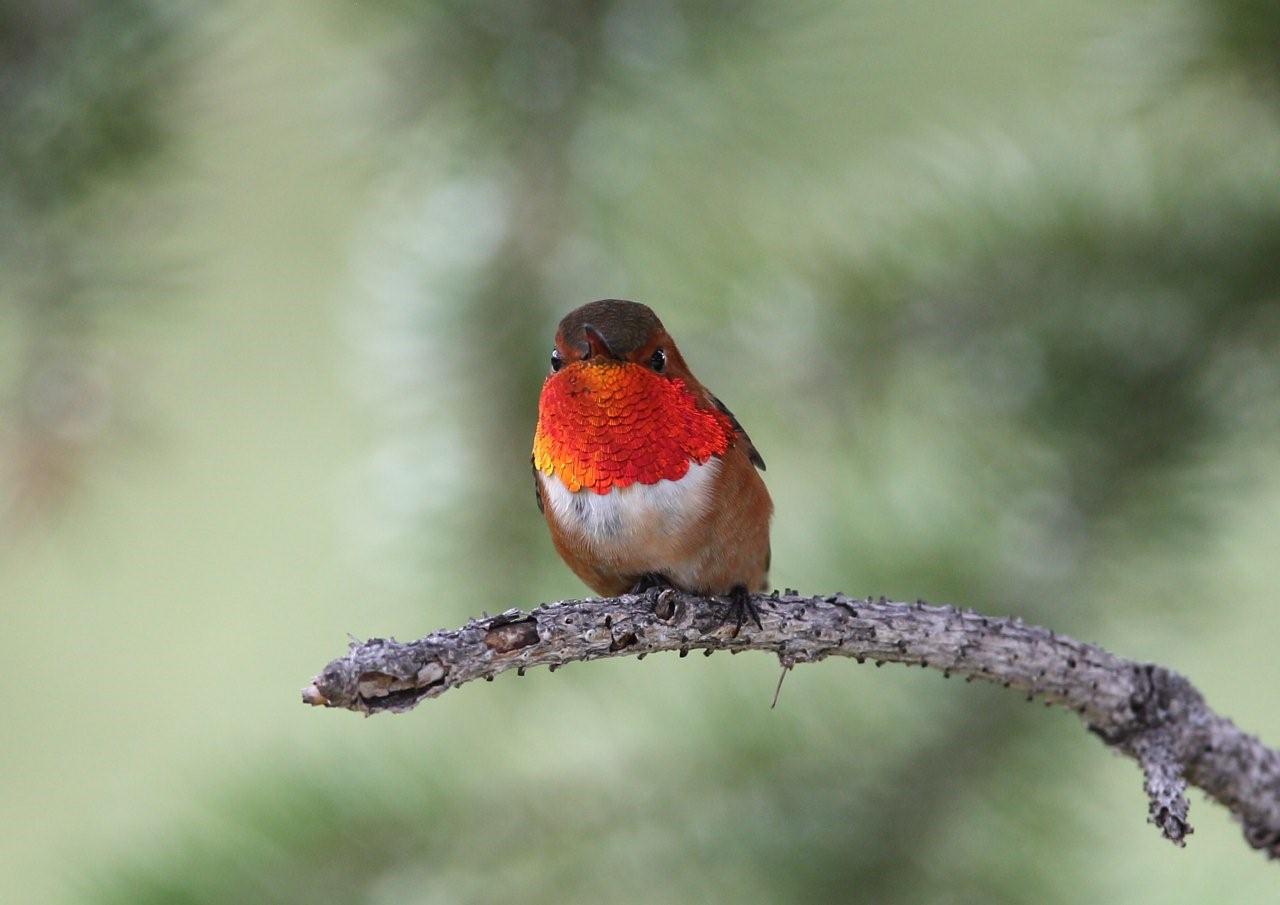
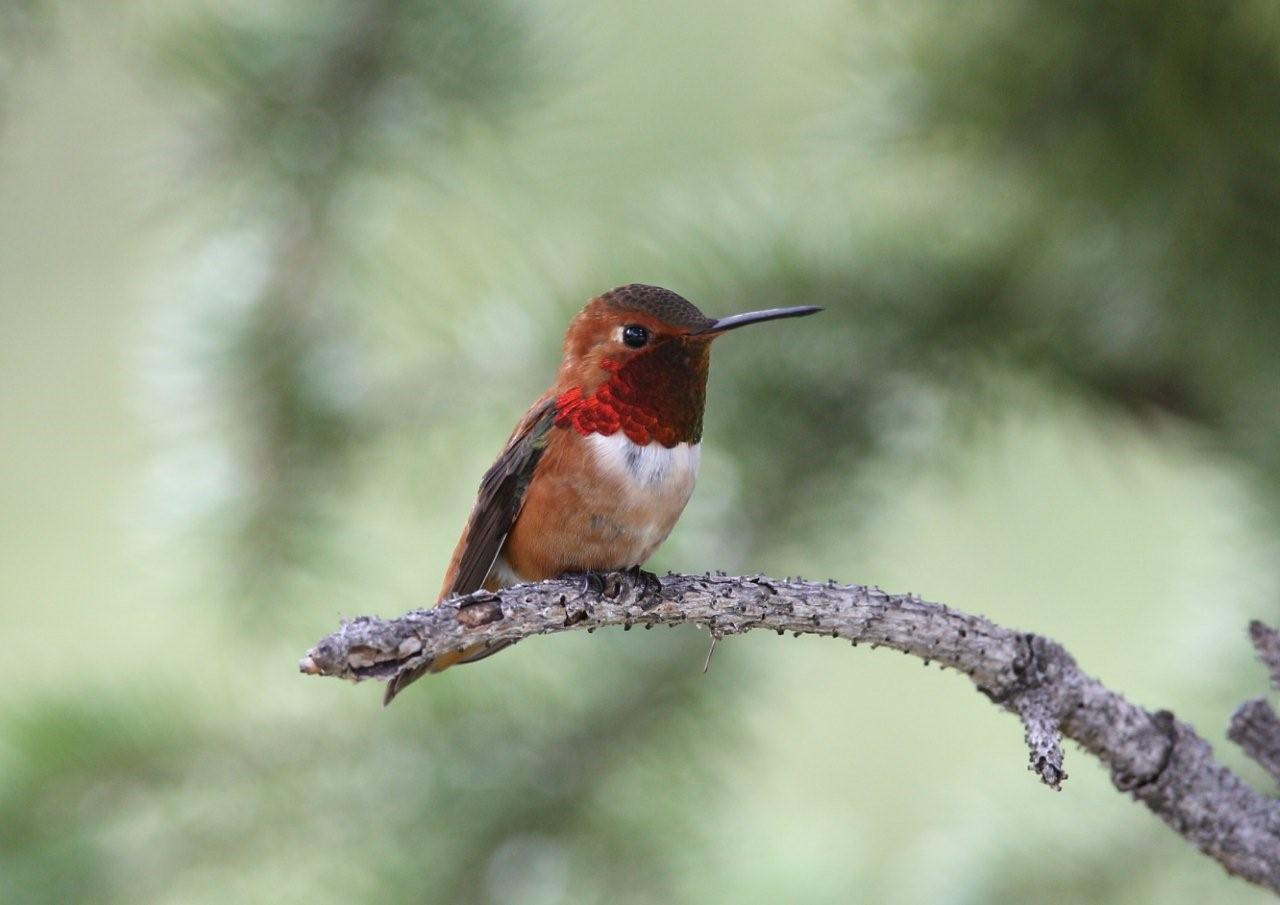
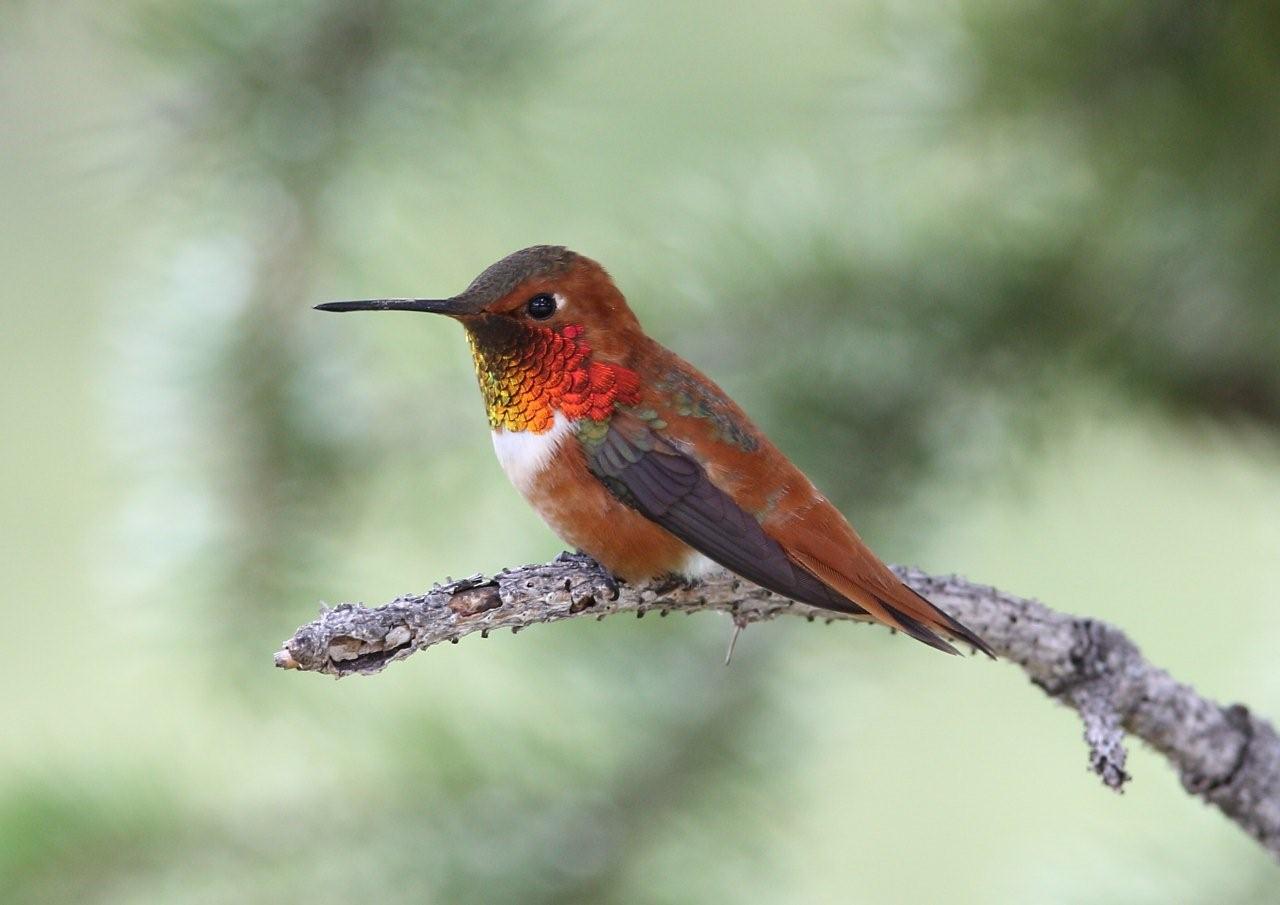
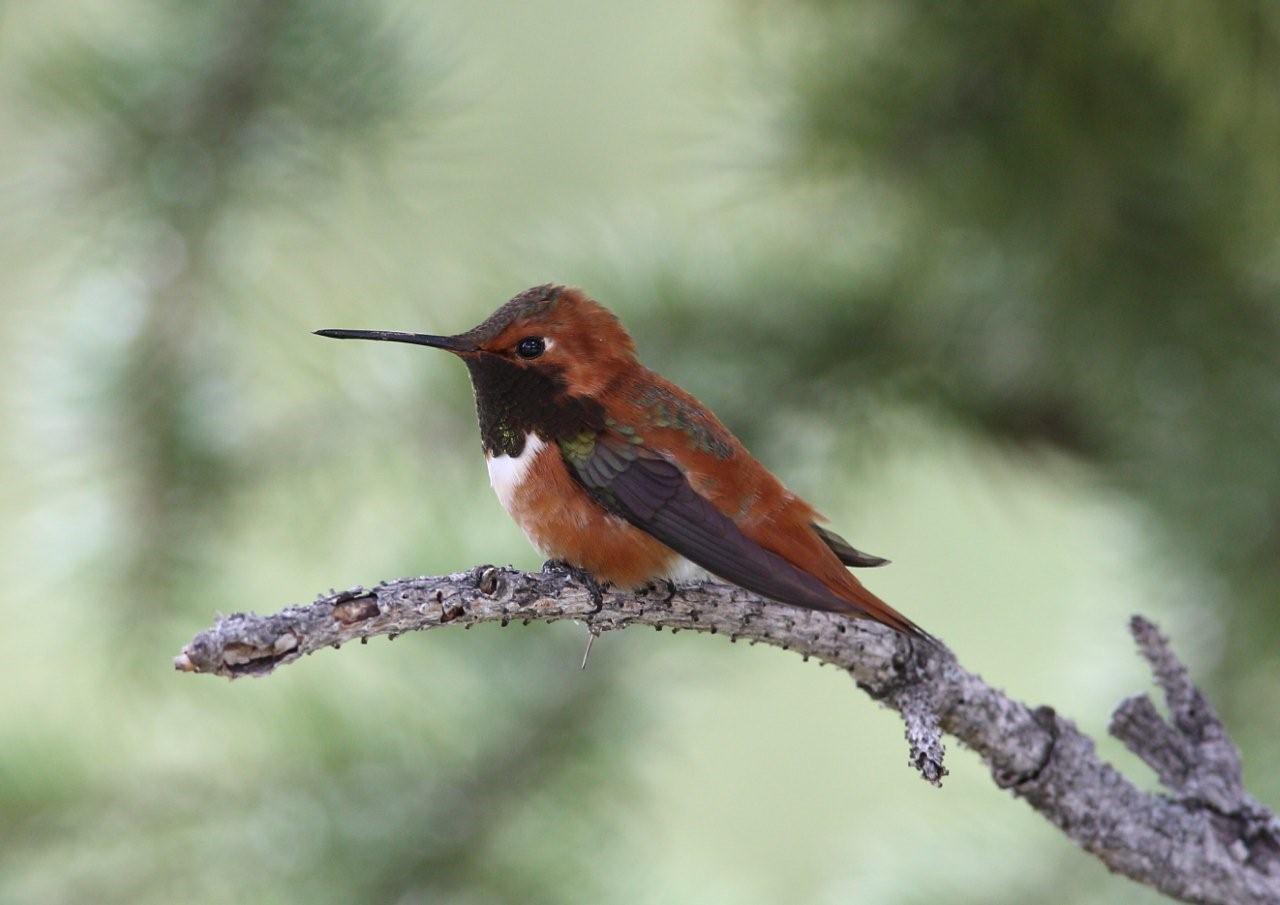
Rob English took these amazing pictures of a male Rufous Hummingbird southwest of town in late June.
Posted by Dan Arndt
Frank Lake has been one of my absolute favourite standby birding areas since I started seriously committing myself to the hobby. It’s been a little over a year now, and I must have visited the lake at least twenty times or so, in all seasons. Winter, Spring, Summer, and Autumn, though I’ll admit, I missed out on some great birds down there last fall as I was finishing up my degree, this year will be a very different story!
While shorebirds and waterfowl are the primary draw, sparrows, wrens, falcons, hawks, and even owls are also regularly seen down there.
Frank Lake is located about an hour south of Calgary, and east of High River on Highway 23. 2012 marks the 60th year of activity at Frank Lake by Ducks Unlimited Canada, and is considered one of almost six hundred of Canada’s Important Bird Areas, and you can find a ton of useful information about Frank Lake (and other Ducks Unlimited projects in Alberta) at the Ducks Unlimited website.
The areas most visited by birders are detailed in the map below, with Basin 1 being by far the most popular location, with a blind, driving loop, and water outflow which provides open water even in the coldest winter months.
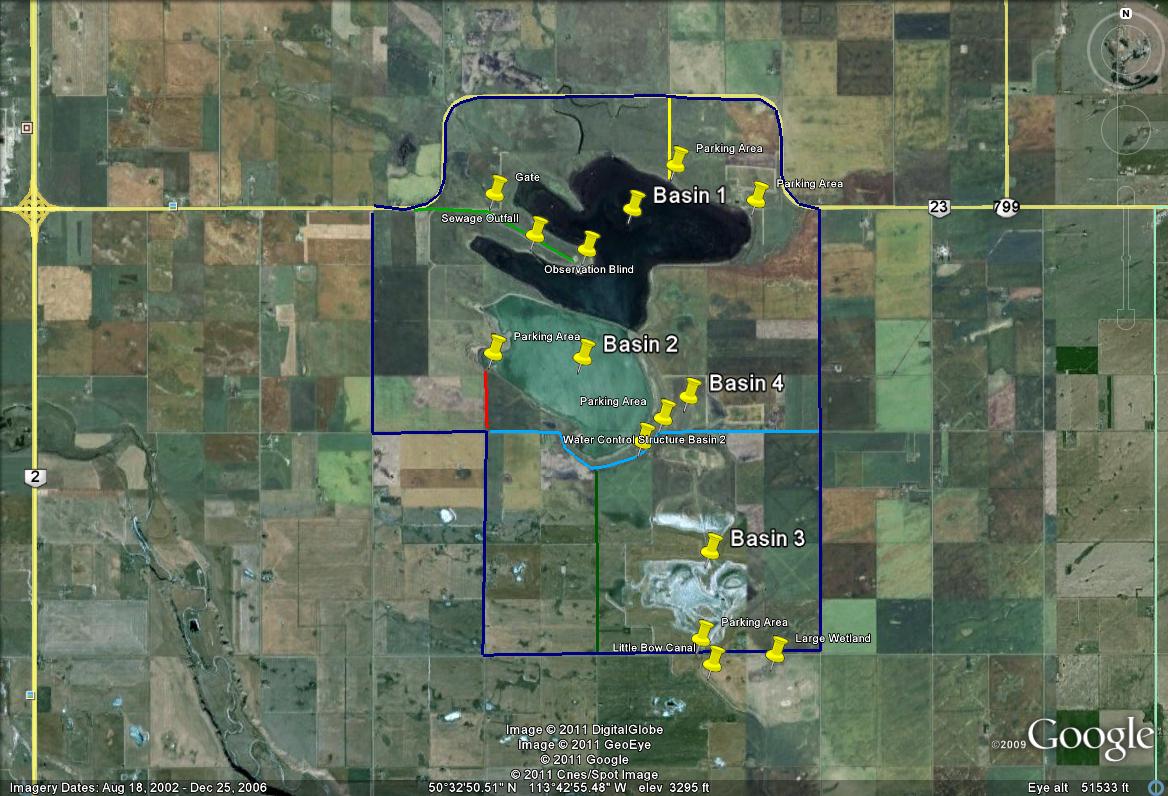
Frank Lake Map
Winter –
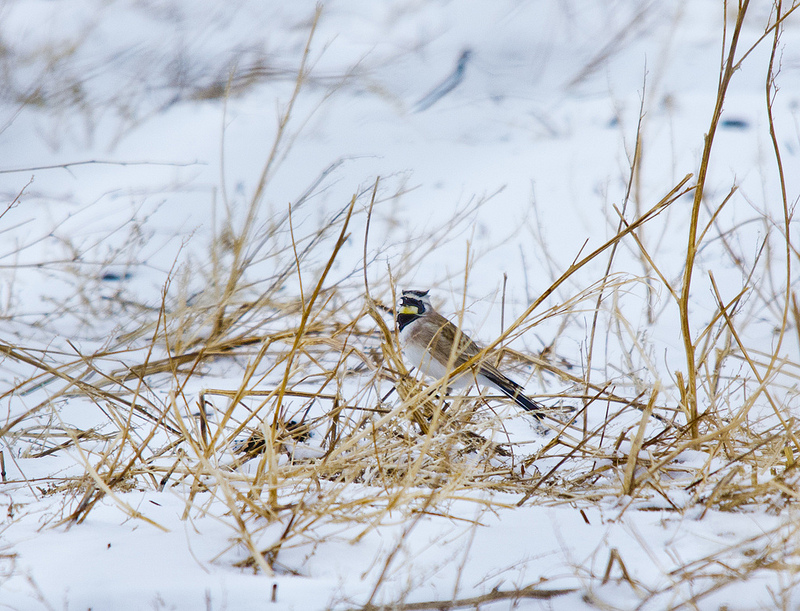
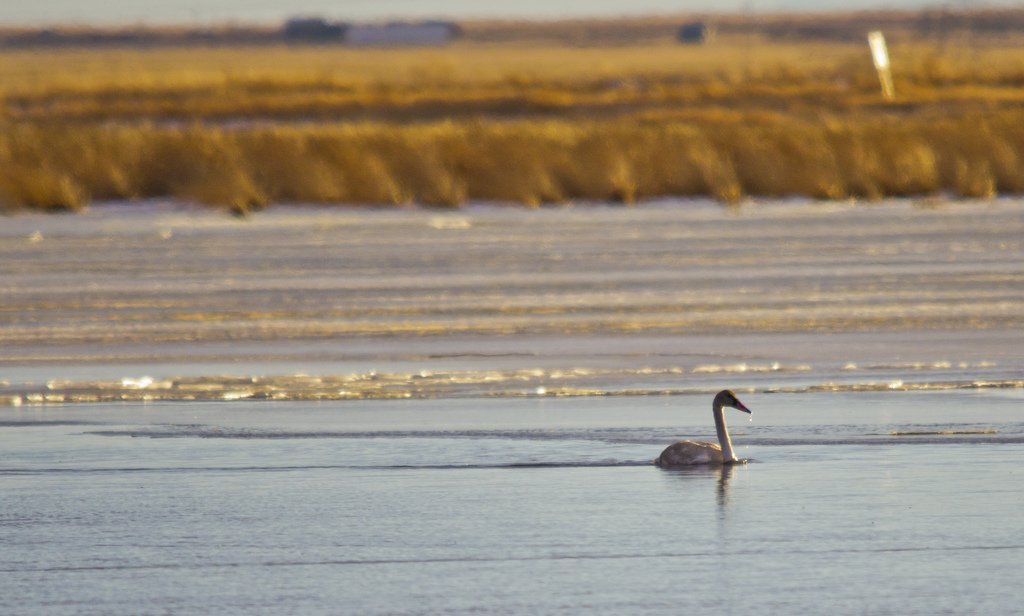
Horned Lark – March 2012
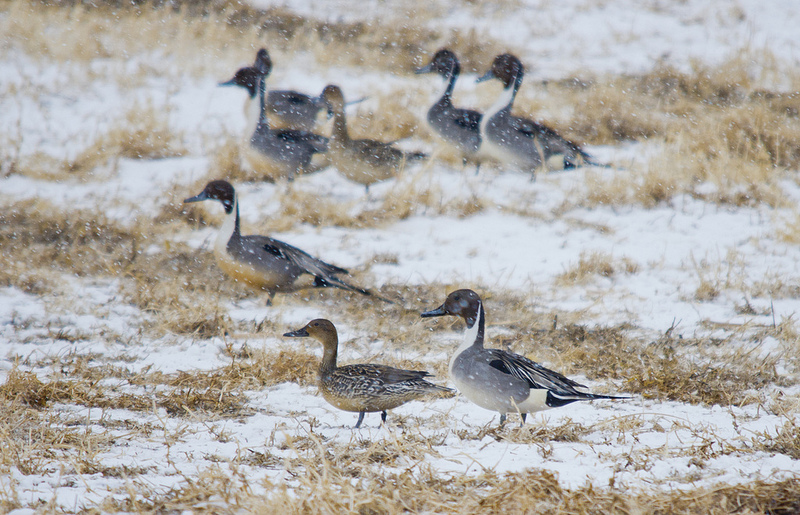
Northern Pintail – March 2012
In late winter/early spring, these Northern Pintail are some of the first migrants back at Frank Lake.
Spring – It’s hard to gauge when winter ends and spring begins out at Frank Lake, as it sometimes seems that the water will thaw completely overnight… but the arrival of some of these favourites is a good indication.
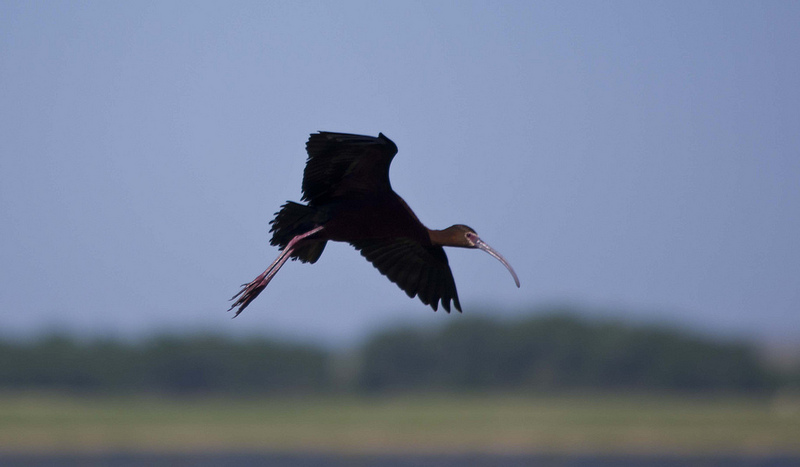
White-faced Ibis – May 2012
Probably my absolutely favourite bird at Frank Lake.
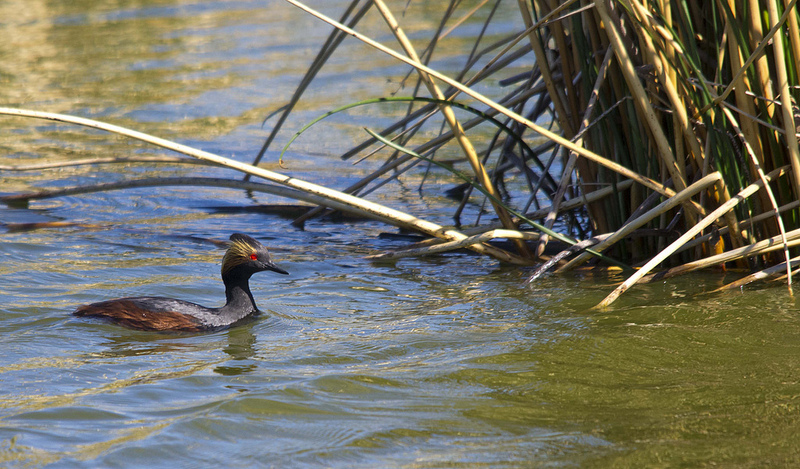
Eared Grebe – May 2012
These beautiful little divers can be found at Frank Lake in the hundreds in early spring.
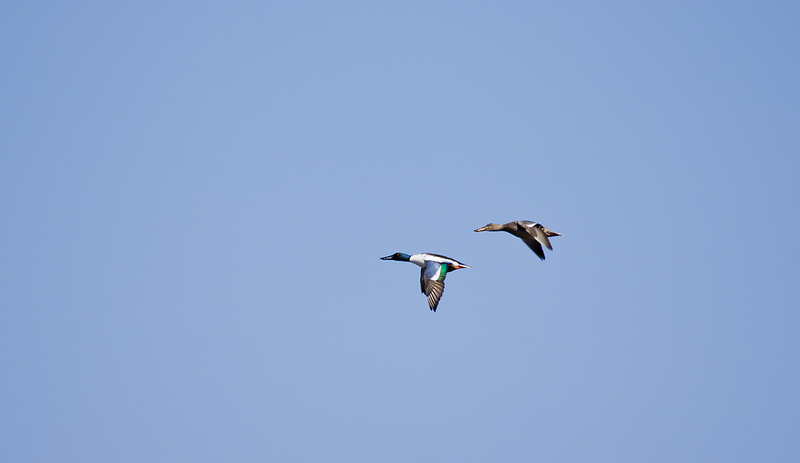
Northern Shoveler – May 2012
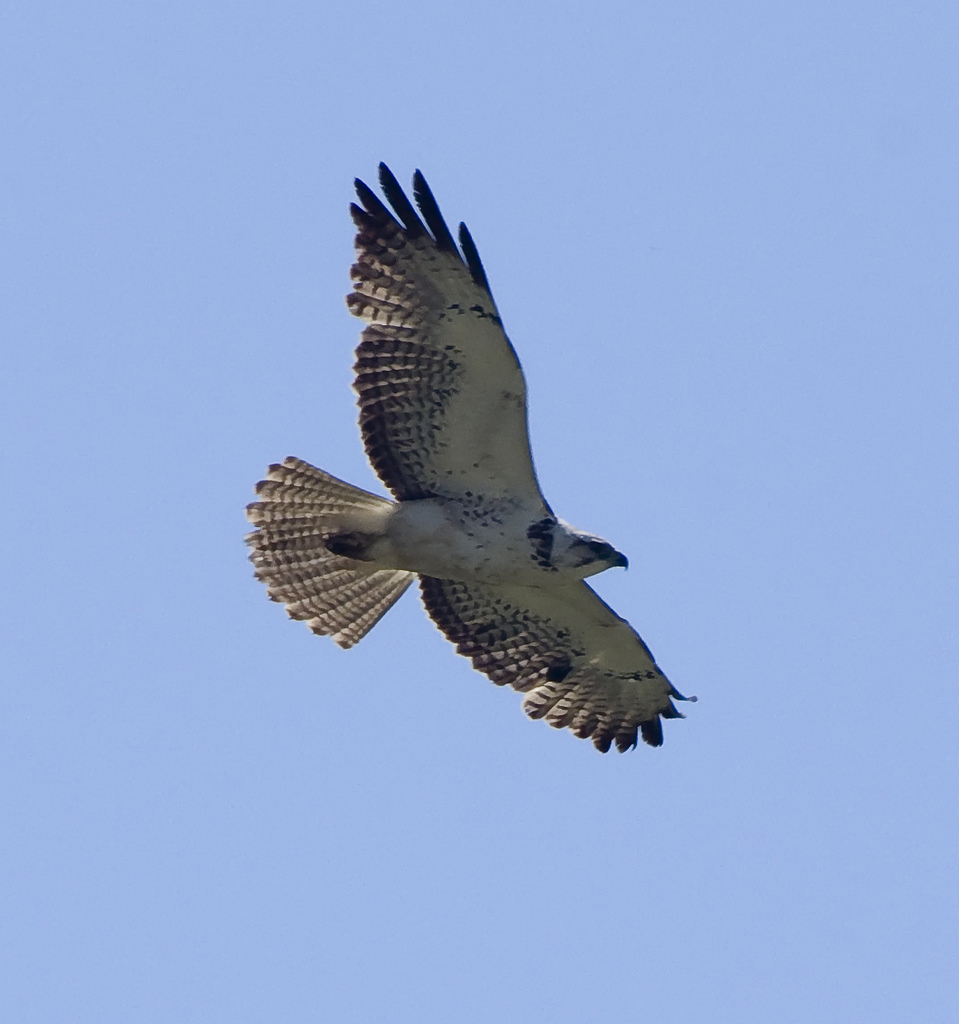
Red-tailed Hawk – May 2012
A little more white in this one than usual, another of the predators that patrols the lake.
Summer –
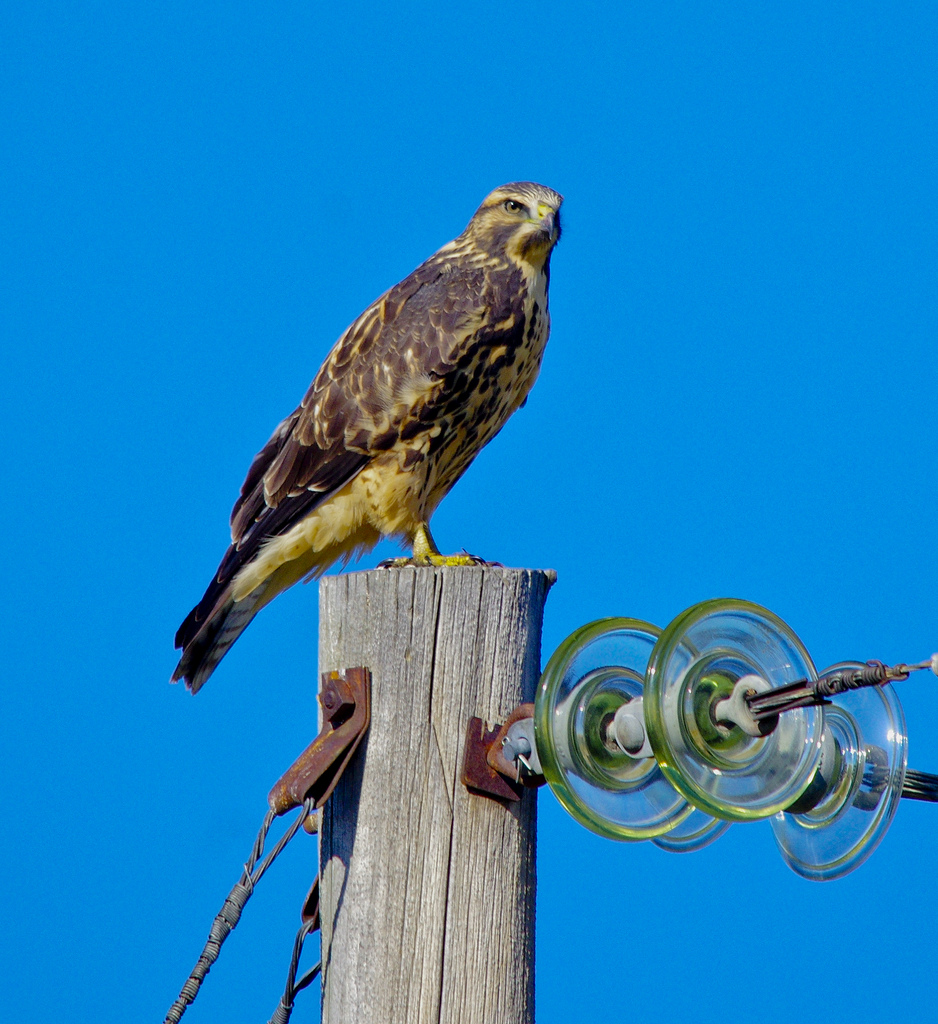
One of the more common birds of prey at Frank Lake are the always stunning Red-tailed Hawk.
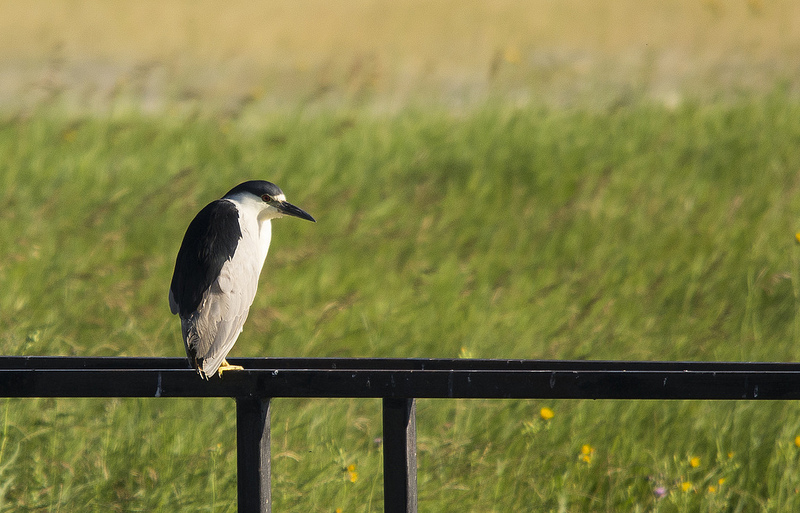
Black-crowned Night Heron – July 2012
Less commonly found at Basin 1, almost every summer trip I’ve taken to Basin 3 has turned up at least Black-crowned Night Heron.
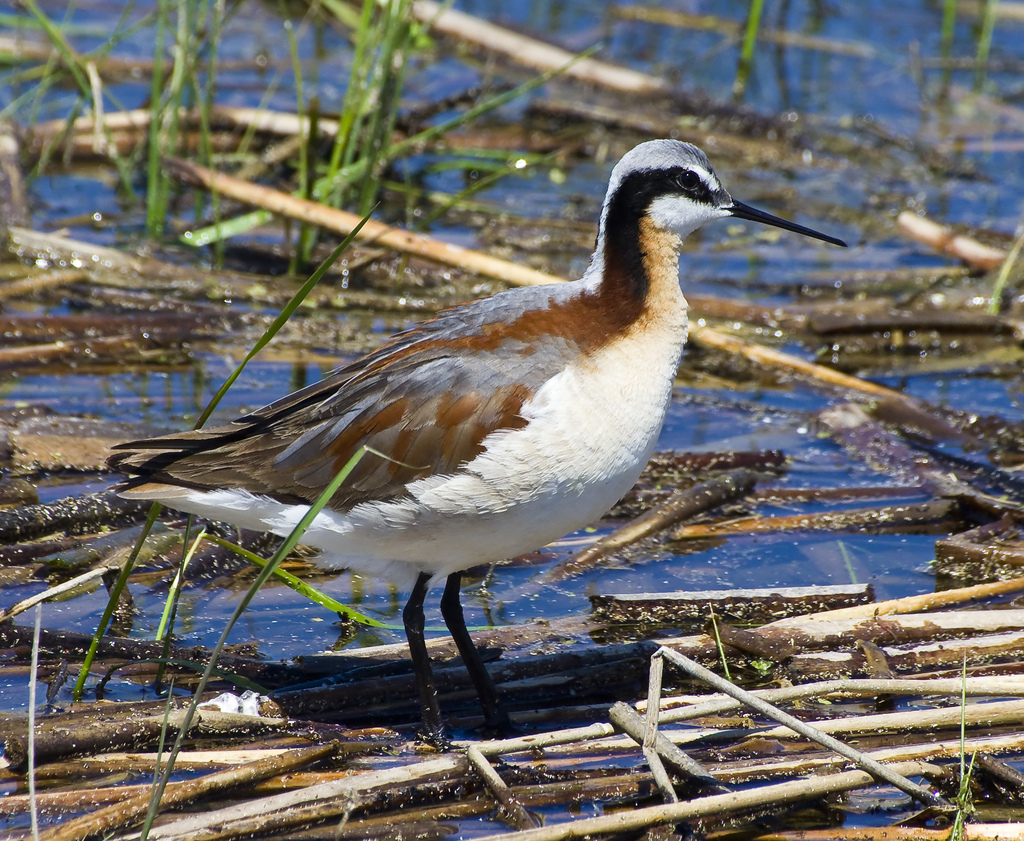
Wilson’s Phalarope – June 2011
A regularly seen species at Frank Lake, they often nest around the shores of the southern basins.
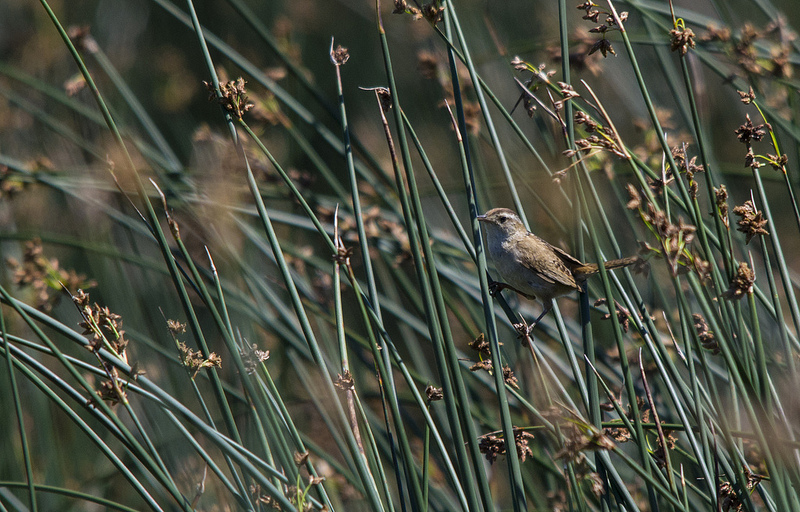
Marsh Wren – July 2012
My lifer Marsh Wren was found near the blind at Basin 1 of Frank Lake.
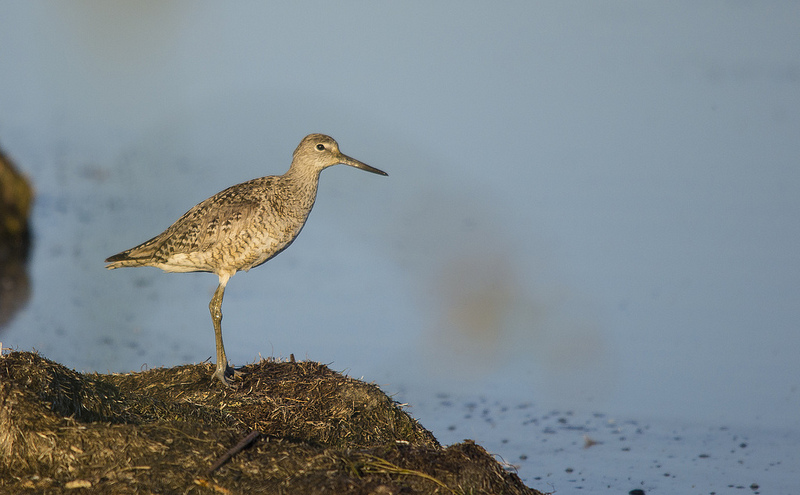
Willet – July 2012
Another of the great summer resident shorebirds at the lake.
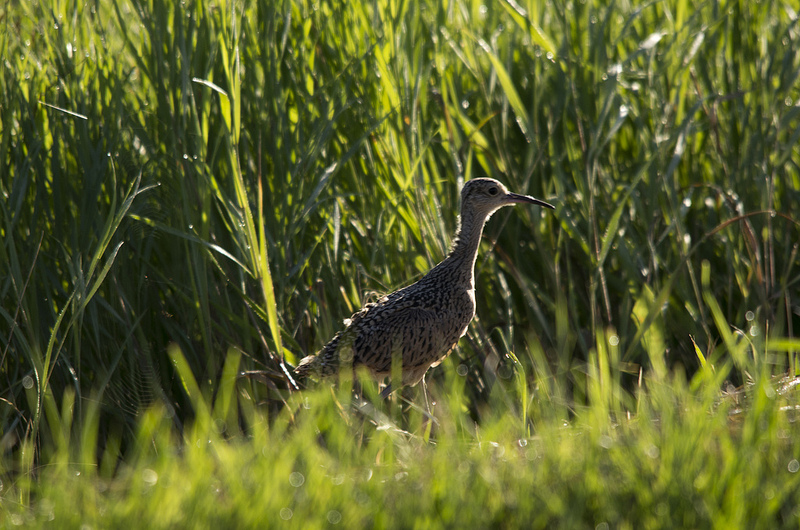
Long-billed Curlew – July 2012
By midsummer, some of the earliest southern migrants begin to make their appearance around the lake.
Autumn –
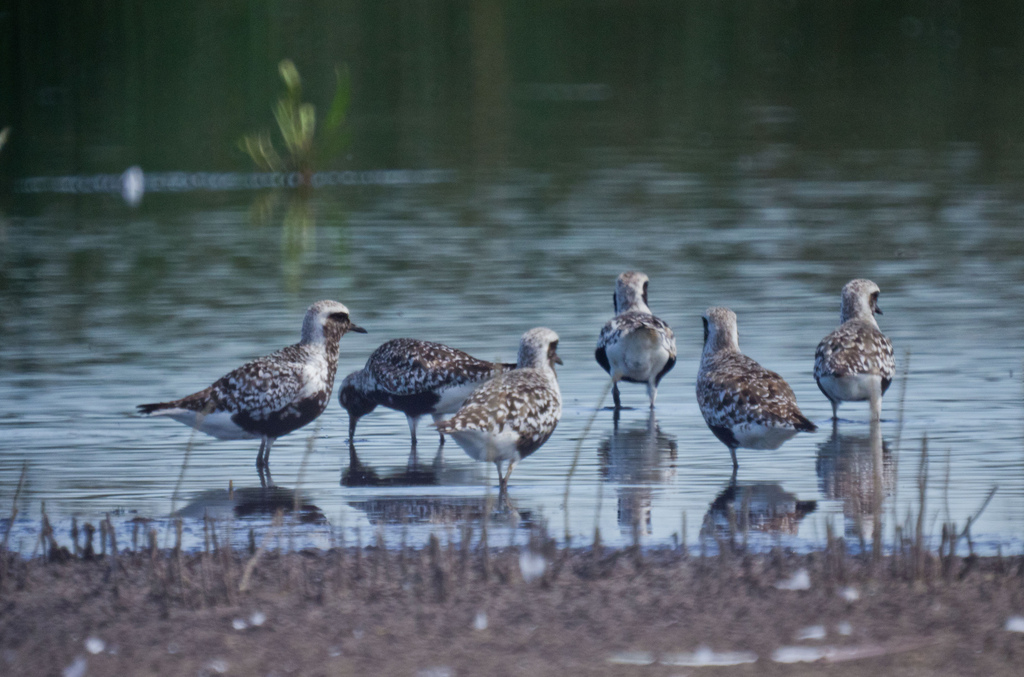
Black-bellied Plover – September 2011
One of the many southbound shorebirds that stop over at Frank Lake on their fall migration.
Recently, some birding friends and I were in the mountains listening to the strange song of the Varied Thrush. While its song may not always be described as beautiful, its plumage is definitely gorgeous and we thought its name did not do justice to its beauty. One topic brought us onto the next and soon we were discussing Latin names. While many birders tend to overlook the scientific names of birds, these titles can be quite interesting though I know I certainly had trouble digesting all the taxonomy and etymology! If you enjoy wrapping your heads around this, read on! If you’re like me though, it may seem simply too much!
I was looking in the Federation of Alberta Naturalists ‘Field Guide to Alberta Birds’ (1998) when I noticed that the authors had the etymology (study of the origin of names) of the birds scientific names translated. However, before we get to etymology, let’s look at taxonomy (the classification of species).
All birds are in the Animal Kingdom (Animalia), the Chordata Phylum (with a backbone), and the Class Aves (birds). This is where the similarities stop though and the birds separate into their respective Orders such as Falconiformes (hawks and eagles) and Passeriformes (Passerines). Then, species are divided down into Families for example Parulidae (Wood-Warblers.) After the Families come the subdivisions of Genus and Species. These last two are used in the bird’s scientific name as binomial nomenclature, which describes the species of living organism. For example, a Red-breasted Nuthatch is Sitta canadensis. The word ‘Sitta‘ is the nuthatches genus and ‘canadensis’ is the name that specifically describes the Red-breasted Nuthatch. With the name Sitta canadensis, scientists everywhere know that you are talking about the Red-breasted Nuthatch. This is where the classification of species ends and we can look at the origin of the species’ binomial nomenclature and the etymology of the name.
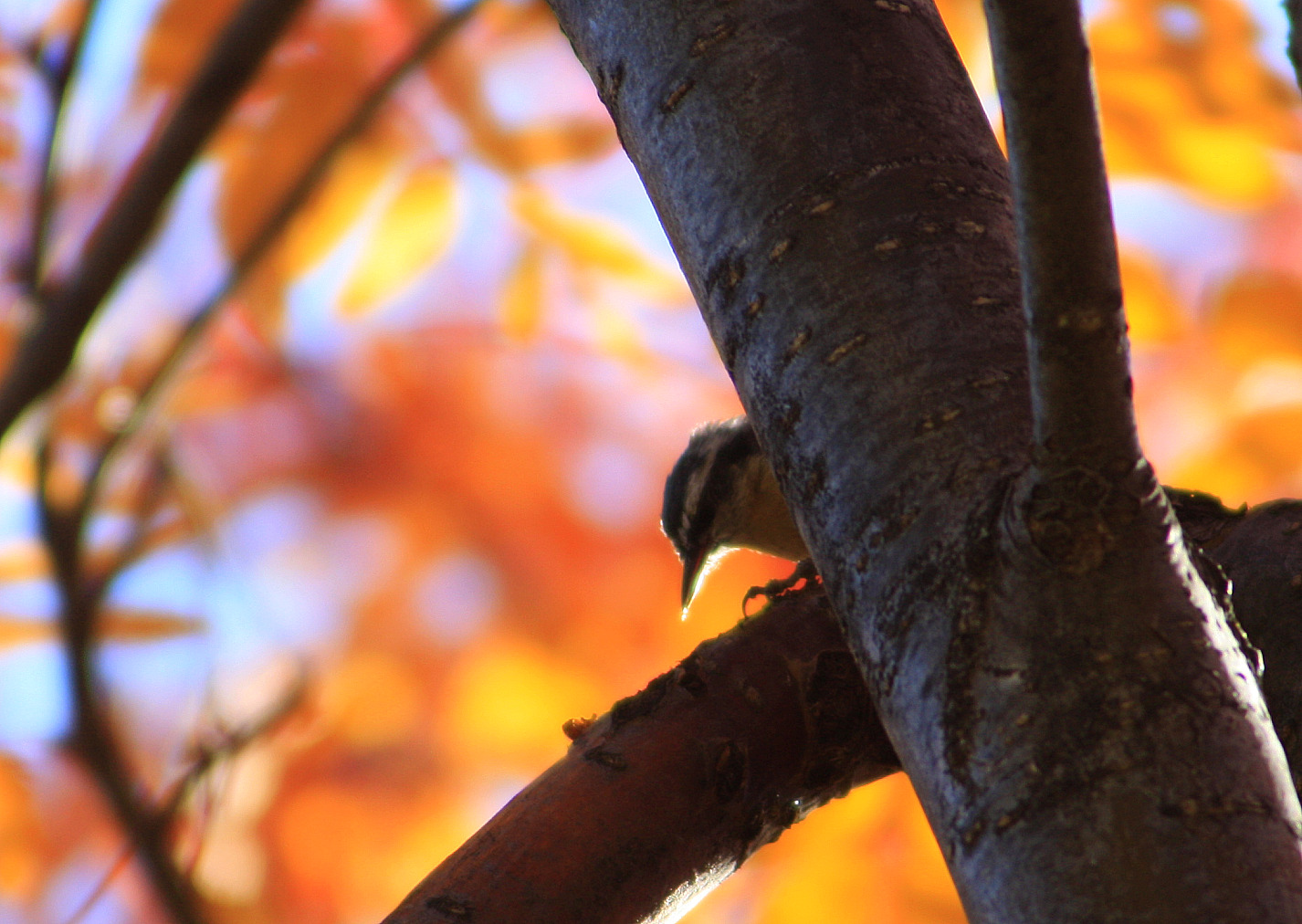
The Red-breasted Nuthatch’s scientific name is Sitta candensis
Etymology, the origin of words can be fascinating. I found that some of the scientific names of birds were quite interesting, for example the Red-necked Grebe. This grebe’s genus name is Podiceps which is Latin and means “rump foot”, referring to the posterior position of the grebe’s feet. Its species name, grisegena, is also Latin and can be translated to “gray cheek”. Thus when we look at the whole scientific name and try to make sense of it, we might come out with something like “gray-cheeked rump foot”, which in itself, can be quite descriptive of the Red-necked Grebe.
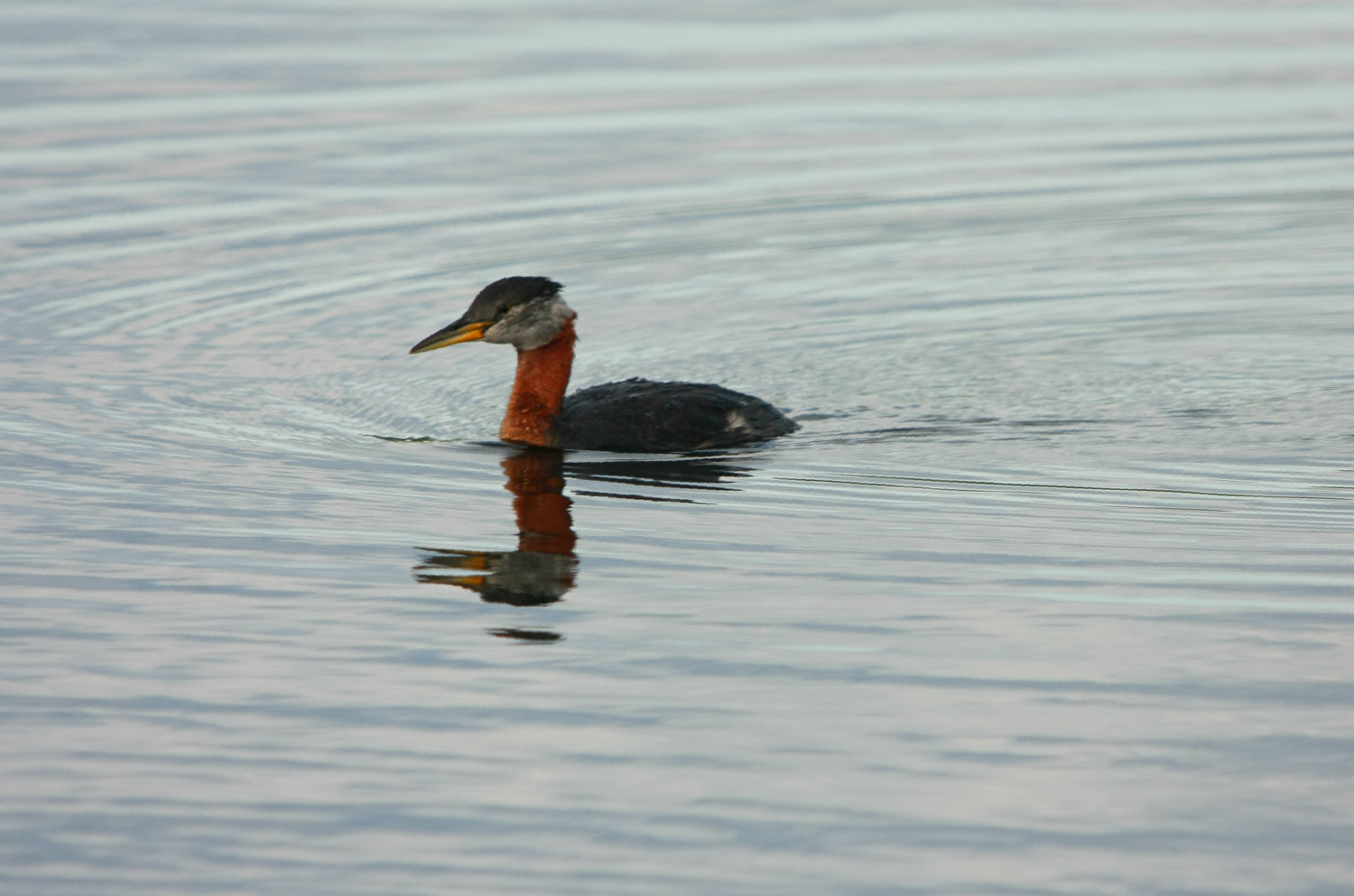
Yep, the Red-necked Grebe definitely has a gray cheek!
Here are a few more bird names and their meanings.
Black-crowned Night Heron- Nycticorax nycticorax– nyctos: “night” and corax: “a crow”. Basically, a night crow!
Gadwall- Anas strepera– Anas: “a duck” and strepera: “noisy”. A noisy duck? Names like this really make me look at the species again as I never really thought of the Gadwall as a noisy duck.
Barrow’s Goldeneye- Bucephala islandica– Bous: “bull”, kephale: “head” and islandica: “of Iceland”. Giving us… “Bull-head of Iceland”. Interesting.
Bald Eagle- Haliaeetus leucocephalus– halos: “the sea”, aetos: “eagle”, leucocephalus- leukos: “white” and cephalus: “head”. White-headed Sea Eagle sounds descriptive!
Least Sandpiper- Calidris minutilla– Calidris: ” a gray speckled sandpiper”, minutilla: “very small”. Very small gray speckled sandpiper is right- these guys only weigh 24 grams.
Yellow-bellied Flycatcher- Empidonax flaviventris– Empidonax: “King of the gnats”, flaviventris: “yellow-bellied”. What a name! Yellow-bellied King of the gnats!
Tennessee Warbler- Vermivora peregrina– Vermivora- vermis: “worm”, voro: “eater”, peregrina: “to wander”. Wandering worm-eater perhaps?
Lark Sparrow- Chondestes grammacus– Chondestes: “grain eater”, grammacus: “striped”. Striped grain eater.
Lots of cool names in this book to look at though I must admit that some don’t seem to make much sense. I also find that I learn a lot about species when I know their Latin names as then it might tell me more, for example how Gadwall’s Latin name means noisy duck. Then you’ve got the neat names such as Empidonax meaning ‘King of the gnats’! Very interesting and worthwhile to know the scientific names!
Posted by Dan Arndt
The Friends of Fish Creek Provincial Park have announced the dates and times of their Autumn birding course. The contact information and details are in the poster below. Each day of walks is led by either Gus Yaki, Rob Worona, Wayne Walker, or any number of other local birders who are incredibly knowledgeable, friendy, and enthusiastically share their love of birds with all in attendance. Bob Lefebvre and I will continue to lead one of the Sunday morning groups, and will be looking forward to seeing some new faces on our Sunday walks! (These photos may look familiar to sharp-eyed readers as well…)
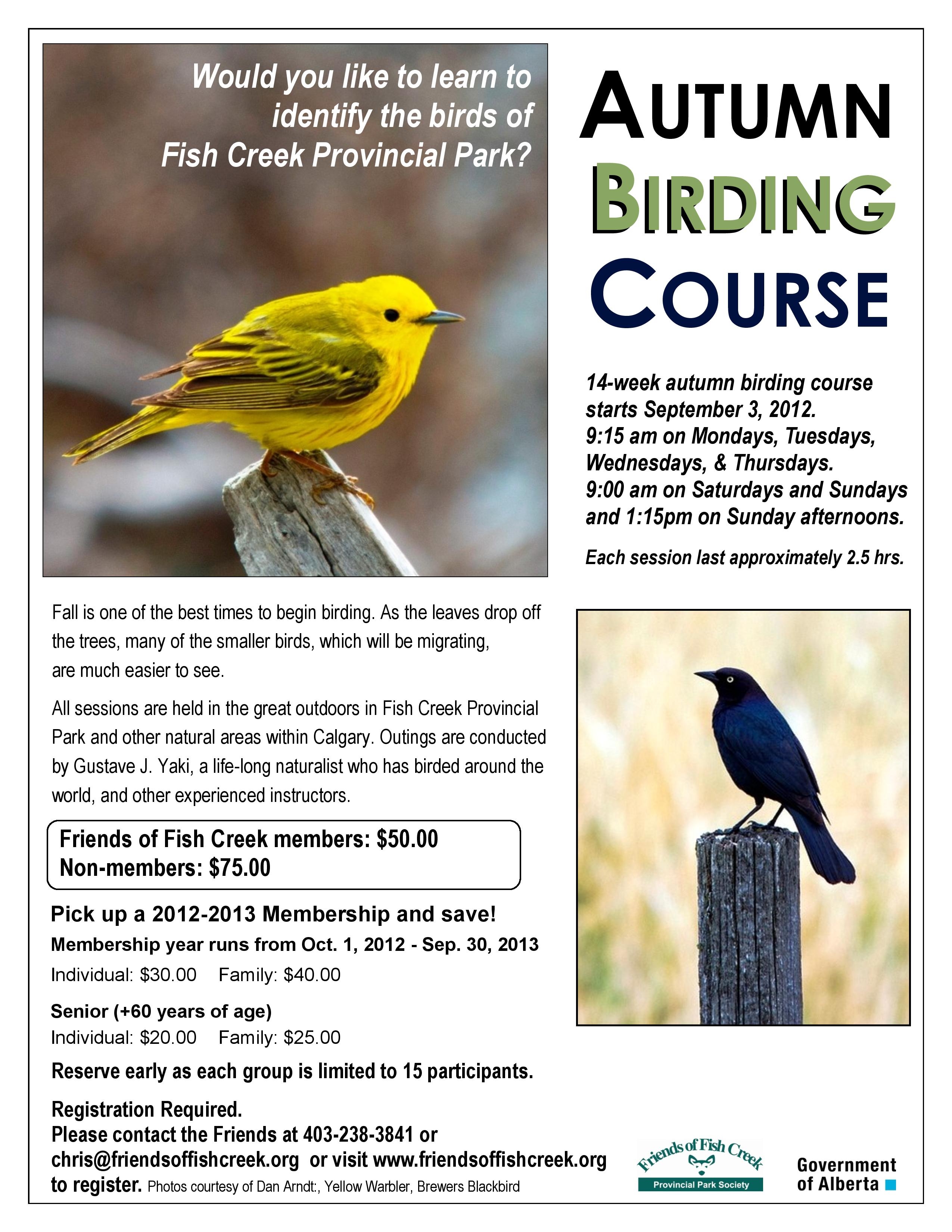
FCPP Autumn Birding Course
Posted by Dan Arndt
As I have done for a few years now, I decided this year that I would take a day off around my birthday and get a few new life-birds and a few other target species off my list. As the week came closer, the weather looked more and more like it simply was not going to cooperate, and when my birthday arrived, it rained straight through the day. Two days later, the clouds cleared long enough for Bob Lefebvre and I to get out and find some birds. While the wind was more active than I would have liked, the day turned out quite nicely, topping out at 27 degrees C, (or about 81F for our readers south of the border).
We planned our route a few days before to tie in with Bob’s scheduled trip on the Loon survey. We would hit the entrance to Big Hill Springs Provincial Park, then go over to Horse Creek Road, up Grand Valley Road, then down through Bragg Creek to the Brown-Lowery Provincial Park, then back up to Leisure Lake to do the loon survey. Finally, we would make a trip down to Frank Lake, to get Bob’s shorebird count up, and finally we would head home from there.
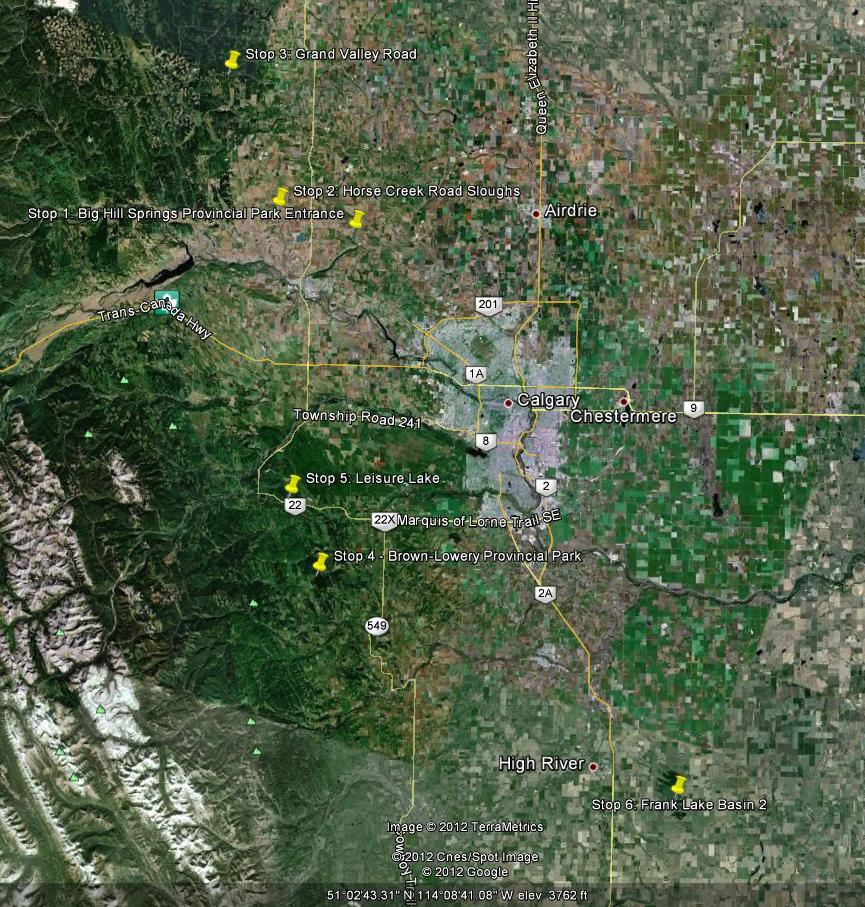
Birthday Birding Locations
With our route planned, we headed out at 5 AM, and got to our first site just as the sun was clearing the horizon.
Bob had heard of a number of Rock Wrens on territory just north of the main entrance to Big Hill Springs Provincial Park, and when we stopped the car and listened for a few moments, it was immediately apparent that they were still present. With a little help from some call playback, we were able to get some extremely good views of one of the males loudly defending his territory.
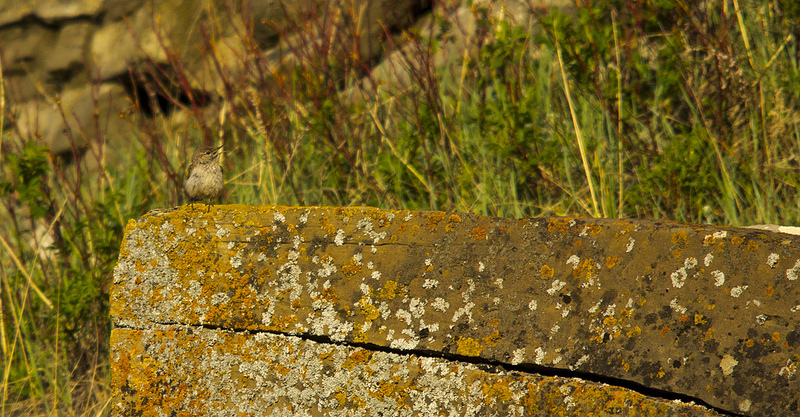
This bird is appropriately named.
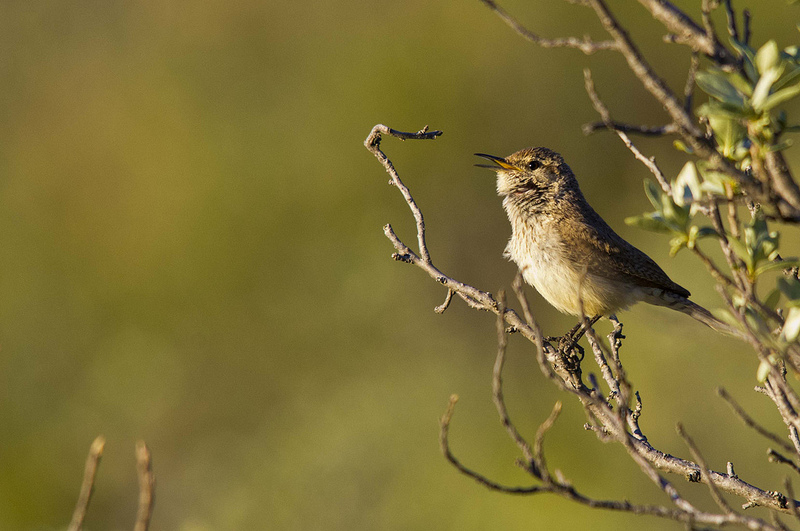
Rock Wren closeup
We headed up Grand Valley Road shortly after, in search of one of the many Great Gray Owls that have been seen there many times this spring and summer, but also historically seems to be the best spot around to find them. We drove for quite some time before Bob’s eagle eyes spotted one flying behind a gravel pile, so we stopped and waited, and moments later, it flew out and onto a nearby fencepost. This reclusive individual only stayed around long enough for us to get a handful of photos, but we did manage a few that turned out.
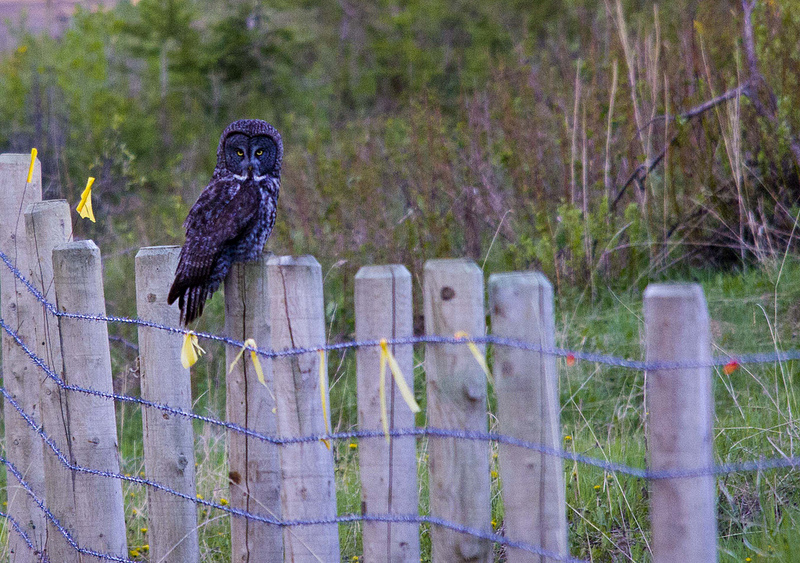
Watching us very closely.
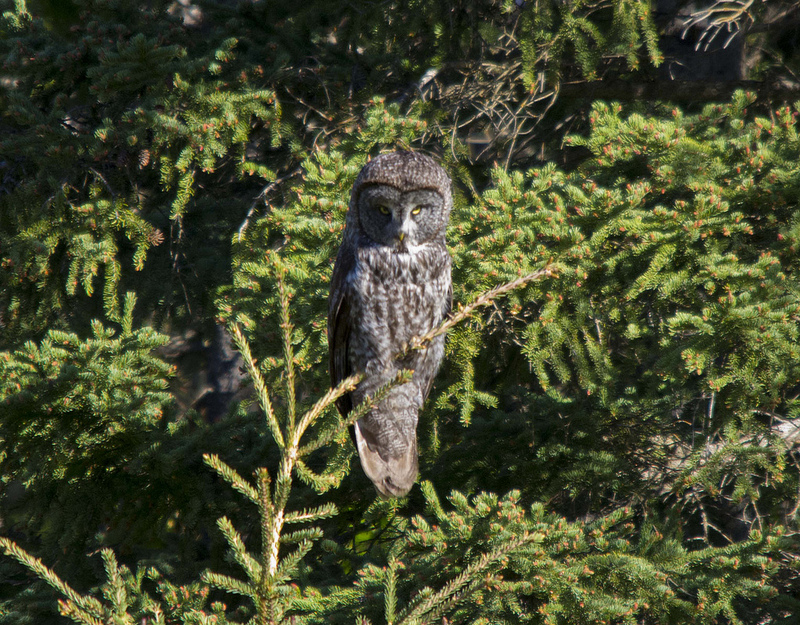
Great Gray Glare of Death
As we headed down to Horse Creek Road, the wind had picked up quite a bit, and when we stopped to listen for the rails distinctive clicking calls, we could barely hear anything over the wind. No rails were heard or seen on this trip, but we did get some very nice close ups of these Wilson’s Phalaropes.
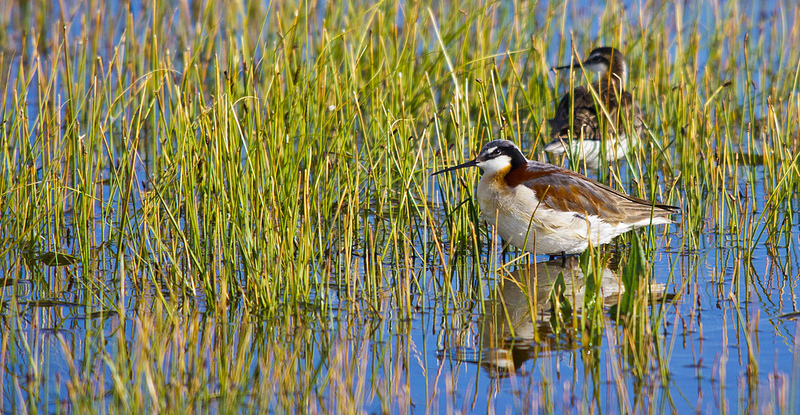
Wilson’s Phalarope
After that brief stop, we headed straight down to Brown-Lowery Provincial Park, and got incredibly close views of another life-bird for me, the Cape May Warbler. It seemed that there were quite a number of them in the park, most on nests, along with Wilson’s Warblers, which never quite came out to give us decent views.
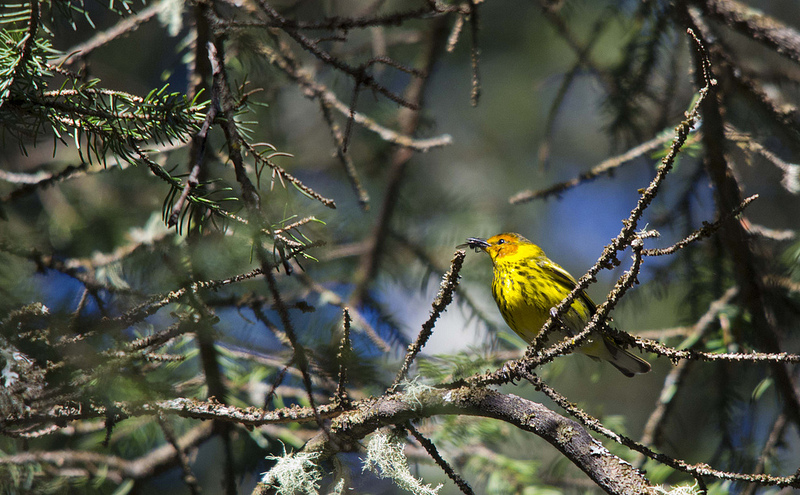
Cape May Warbler
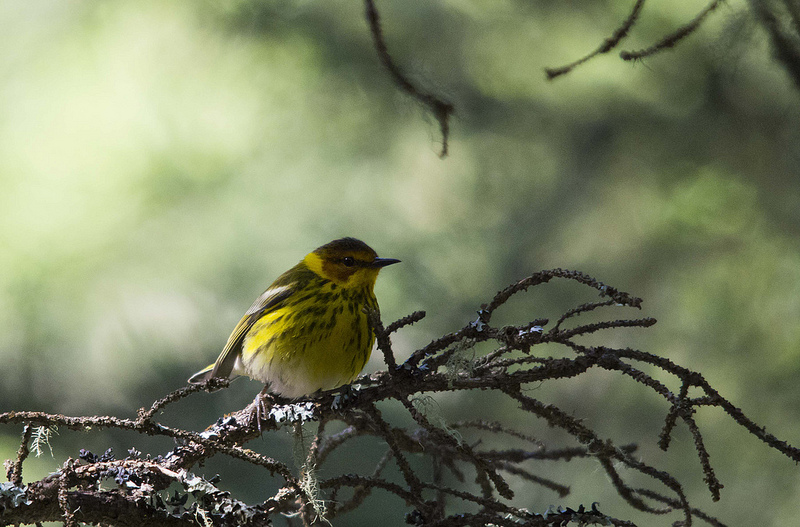
Cape May Warbler in the dark
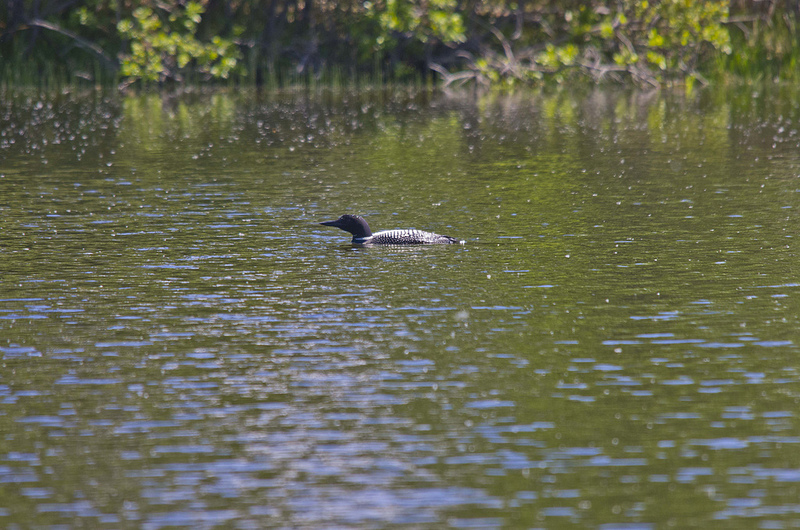
Bob’s annual Loon Survey up at Leisure Lake was part of our trip, and we did manage to circle the lake, find the nest and eggs, and saw both the male and female Common Loon out on the water.
Common Loon
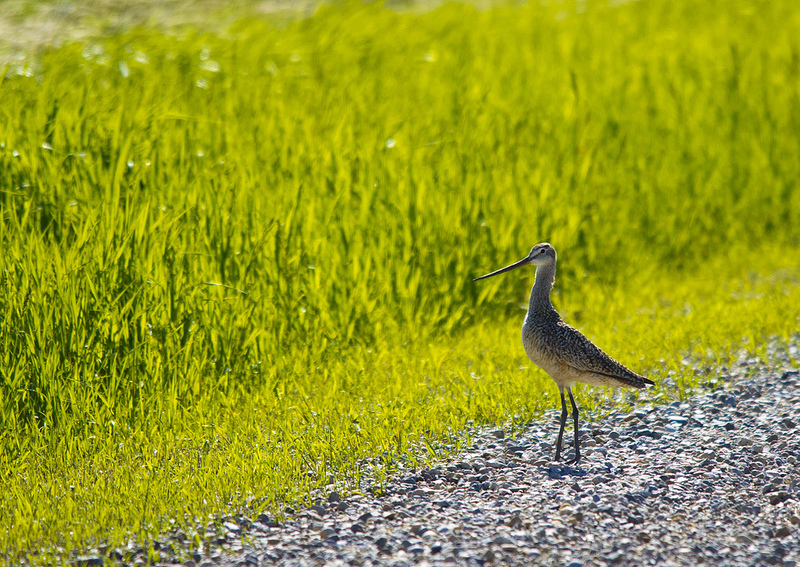
We finished up our day out at Frank Lake, and planned to head down to Basin 2, where we saw a huge number of species, and I was able to add Northern Harrier to my year list finally as well, but as far away as it was, paired with the heat, the photos simply would not suffice. So instead, here’s a Marbled Godwit to distract you.
Marbled Godwit
Posted by Dan Arndt
The final week of the Friends of Fish Creek Spring Birding course once again took us to the south end of Fish Creek Provincial Park, specifically, to the Boat Launch and south to Lafarge Meadows sloughs, which Matthew Sim has recently posted about. It was a good finish to a great course, and I am looking forward to joining a new group of fresh-faced and enthusiastic birders as fall migration is in full swing by September.
We started off with a new bird for our group (and for myself) for the year. Just north of the boat launch were a trio of American White Pelicans, one of which decided it was a bit too rainy for his liking and flew off before I took this photo. The water level both on the Bow River and in the sloughs adjacent to the pathway were incredibly high, and in some areas of the city, the weekend of June 24th was a time of some minor, or not so minor flooding. It seemed that the pelicans didn’t mind it so much, as they were seen regularly at this point all week long.

American White Pelican
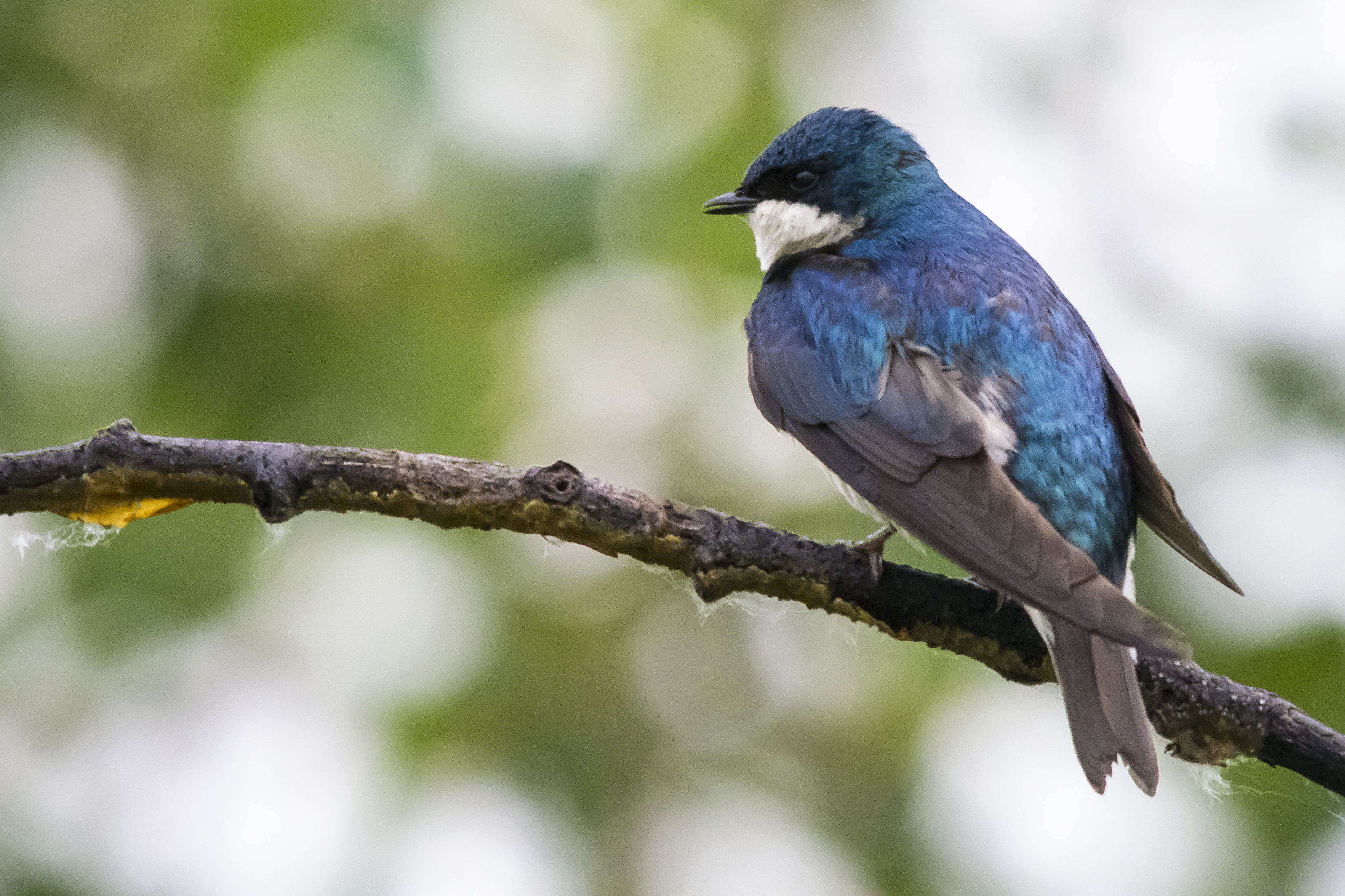
As we got looks at these gorgeous white birds, we couldn’t help but notice that a family of Tree Swallows had set up a nest inside one of the horizontal access gate poles. This male stood guard while the female was on the nest deep inside the gate.
Tree Swallow
Just south of the boat launch, on the west side of the path, there are normally three large sloughs on the north side of 22X. Because of the flooding, they all had merged into one incredibly large slough, and this Black Tern, along with three of its buddies, were making short work of the small fish, arthropods, and worms that were found within.

Black Tern
As we headed underneath the 22X bridge, and emerged on the other side, we stayed close to the river in hopes of spotting another of our target species for the day, the Western Kingbird. While not quite what we were looking for, this Eastern Kingbird was harassing (or being harassed by?) a Black-billed Magpie. Inter-species territorial disputes are always fun to watch.

Eastern Kingbird

Eastern Kingbird
While having great views of one species of the tyrant flycatchers is always good, not fifty meters away we were greeted by the sound of at least three Western Wood-Pewees harassing a family of Common Ravens, not to far from their likely nest site. Once again, inter-species territory disputes are the rule of the day!

Western Wood-Pewee

Western Wood-Pewee
As we headed further south along the river bank, we began heading into a bit more open grasslands and sloughs, and got much closer views of a number of waterfowl and other wetland birds. As we rounded one corner, we saw a Spotted Sandpiper give a bit of a broken wing display before flying up off her nest and, seemingly, abandoning it. We got some very good views of the nest, albeit brief, before moving off to a safe distance. We weren’t twenty meters away before the doting mother was back down on top of her clutch of eggs.

Spotted Sandpiper nest
Meanwhile, this female Common Merganser was not about to leave her perch no matter how close we got to her. This is the same female and nest that Paul and I noted on the May species count.

Common Merganser female
The closer we got to the southernmost sloughs at Lafarge Meadows, the more the landscape changed from woods to grassland. Savannah Sparrows became the norm, compared with the Song Sparrows and Clay-colored Sparrows back to the north, and we even got a few good looks at a few Yellow-headed Blackbirds, clearly indicating that we were in a well developed wetland.

Savannah Sparrow

Yellow-headed Blackbird
No visit to the wetlands in the spring would be complete without seeing the assorted ducklings, and we got quite a treat on that front! Not only did we see a trio of Common Goldeneye chicks, but also a female Hooded Merganser with her brood in tow!

Common Goldeneye chicks

Hooded Merganser chicks

Hooded Merganser (female)
And last but not least, this Blue-winged Teal was eager to show off his namesake, and sat patiently while not one, not two, but five photographers got good, clear shots of the blue flight feathers that inspired his name.

A great note to end off another great season of birding.
Over the summer, I have a number of various blog posts planned, mostly based around a few road trips and birding trips I have planned here and there. I look forward to sharing my stories and photos with all of you all summer long!
Good birding!
Posted by Dan Arndt
Back in June, the Friends of Fish Creek Birding Course took an excursion into the west end of South Glenmore Park. We’d been nearby just weeks beforehand when Bernie Diebolt’s group spotted a couple of Black-headed Grosbeaks, and Gus that by that time, both the Black-headed and Rose-breasted Grosbeaks would be back. While I normally have a map, I didn’t track this walk, so just the photos will have to do.
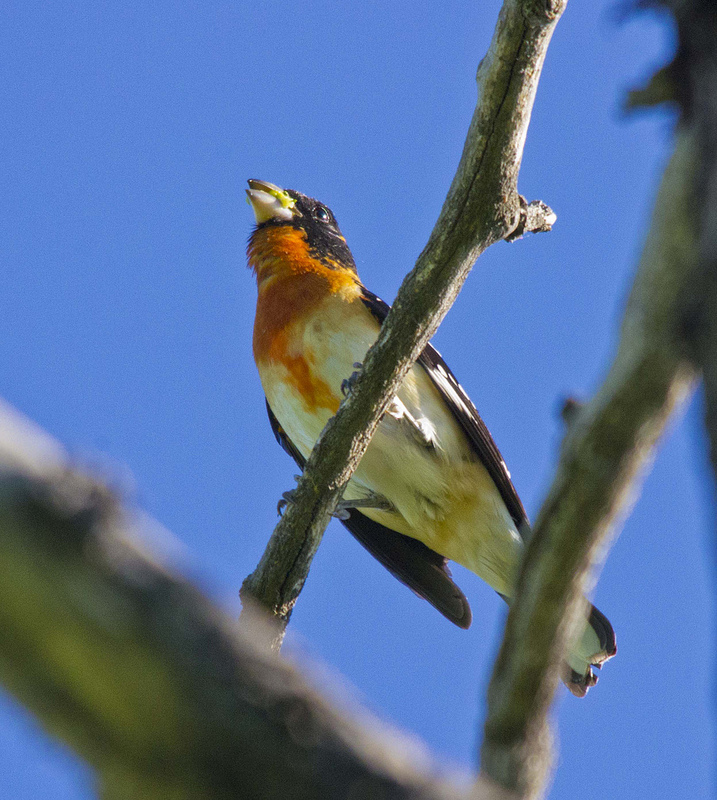
Starting off at the parking lot at the west end of 90th Avenue SW we walked along the top of the south bank before dipping down onto the hillside. The mosquitos were out in force that early in the morning, and while there were plenty of birds calling, many of us were regretting our lack of bug spray. The American Robins, Warbling Vireos, and various thrushes were calling once again up and down the slope, but one of our first birds of the day was this beautiful hybrid Black-headed X Rose-breasted Grosbeak, who flew from tree to tree responding to our recorded Rose-breasted Grosbeak calls.
Black-headed X Rose-breasted Grosbeak Hybrid
While this one called to us from nearby, we could hear Rose-breasted Grosbeaks calling from both up and down the slope, and we elected to hunt down the down-slope caller, as it was along the route we were already following. Another lifer for me, though we didn’t get the greatest views…
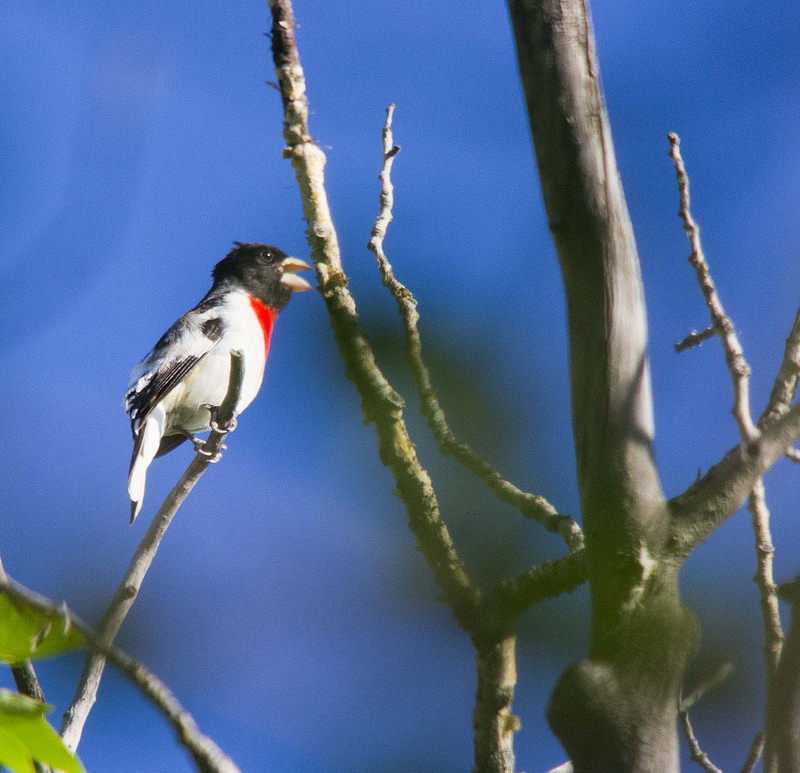
Rose-breasted Grosbeak
While we were listening for the calls of this male, we could hear a Red-eyed Vireo calling nearby as well, and upon playing some calls for it, it too flew in to investigate.
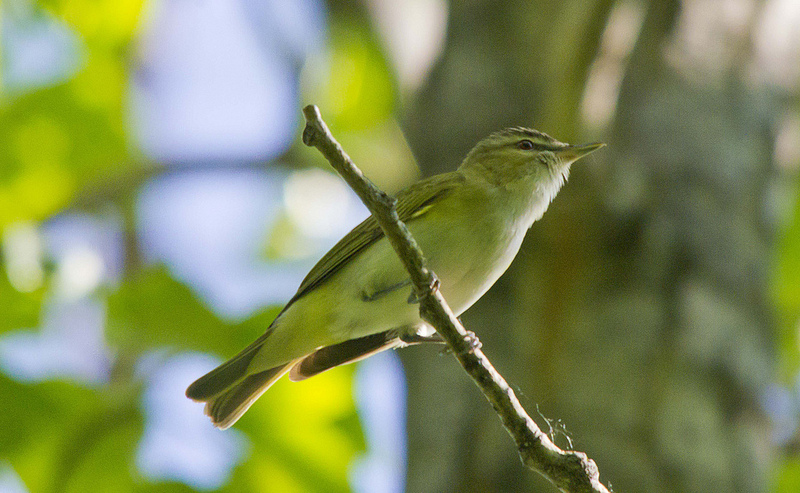
Red-eyed Vireo
Along the rise and down to the east end of the beaver ponds at the southernmost point of the Weaselhead, we were greeted by another Eastern Phoebe nesting under one of the bridges in the area.
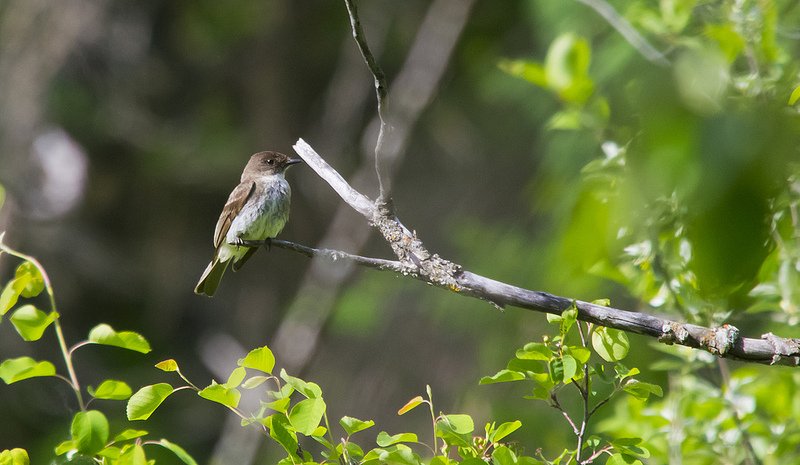
Eastern Phoebe
A trek back up the hill netted a beautifully serene viewpoint overlooking much of the Weaselhead, sporting a couple of benches, bird feeders, and even quite a few birds (and other visitors) enjoying the treats provided for them. Definitely a place I’ll be back to. We even spotted what we’re pretty sure was a Ruby-throated Hummingbird, but no one was able to snap a photo in time!
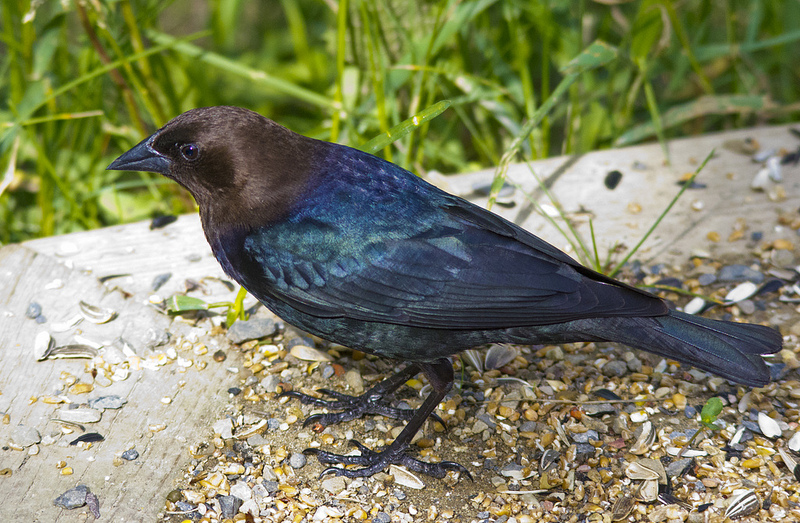
Male Brown-headed Cowbird
The male and female Brown-headed Cowbirds seemed to not even care that we had intruded upon their feeding station.
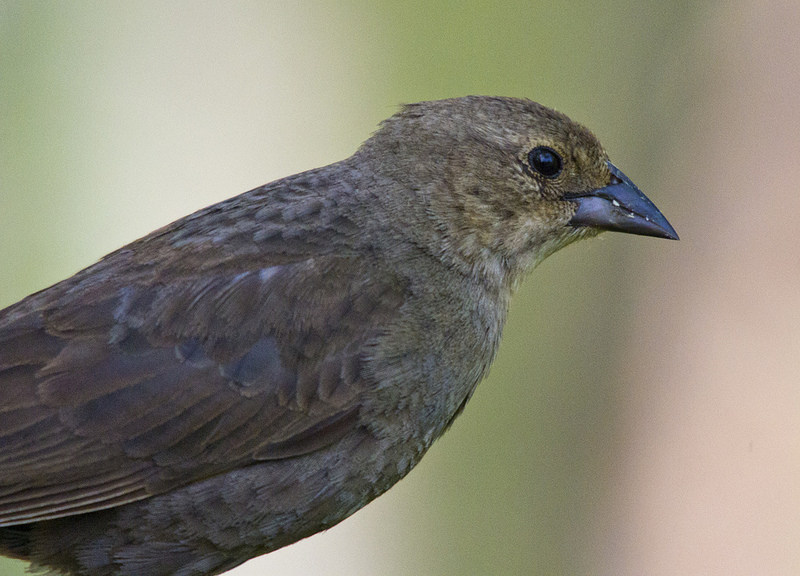
Female Brown-headed Cowbird
While the Pine Siskins hid behind the tube feeders, hoping to guard themselves from prying eyes.
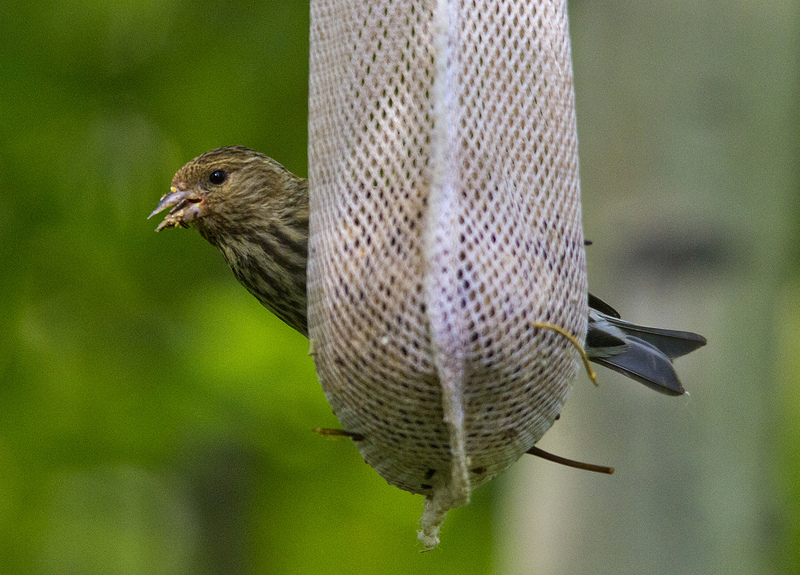
Pine Siskin
And of course, no feeder in the mixed spruce and deciduous forest is complete without a woodpecker sighting. This Downy Woodpecker was waiting for us, and stuck around for some photo ops before the crowd became too much for it.
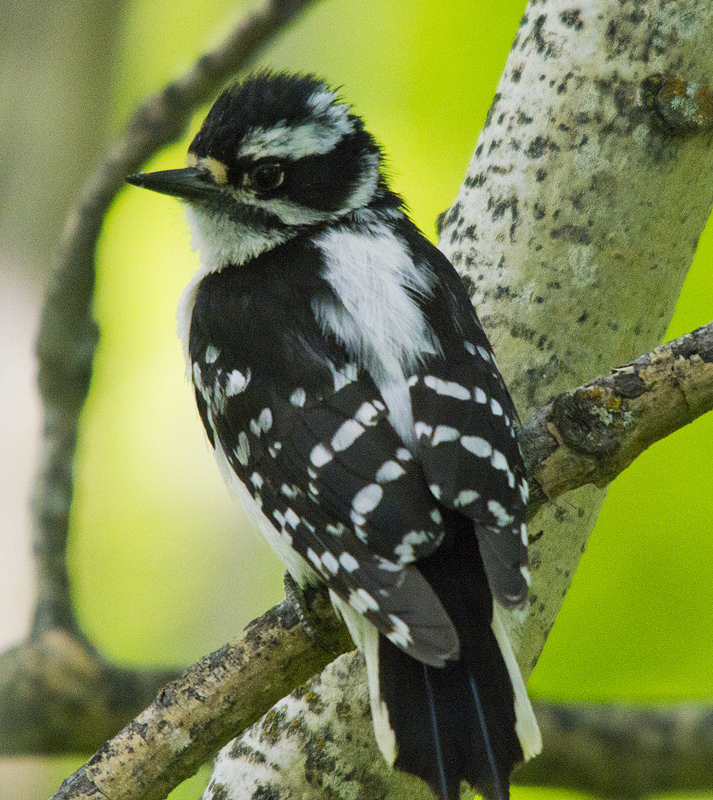
Downy Woodpecker
Last but not least are the mammalian visitors to the feeders. We had no less than three of these nervous and scurrying Least Chipmunks at our feet at any given time.
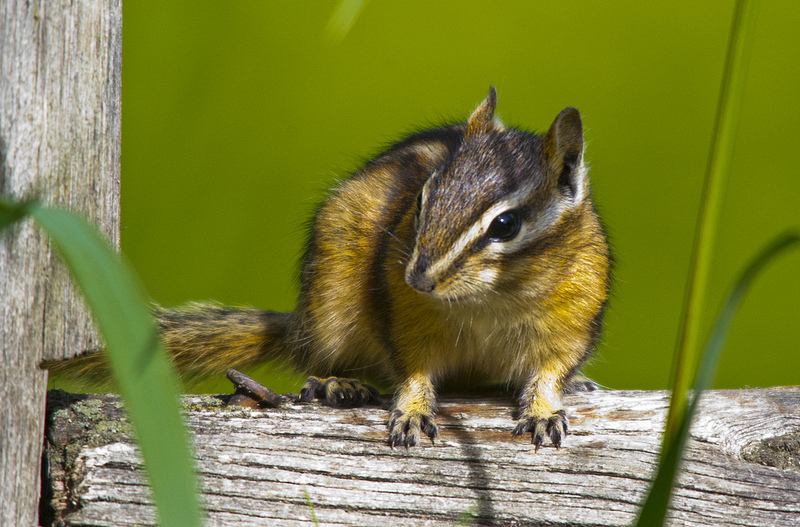
Least Chipmunk
Most memorable though, was this Red Squirrel that continuously gave us the Stare of Death™ any time we disturbed its feeding schedule.
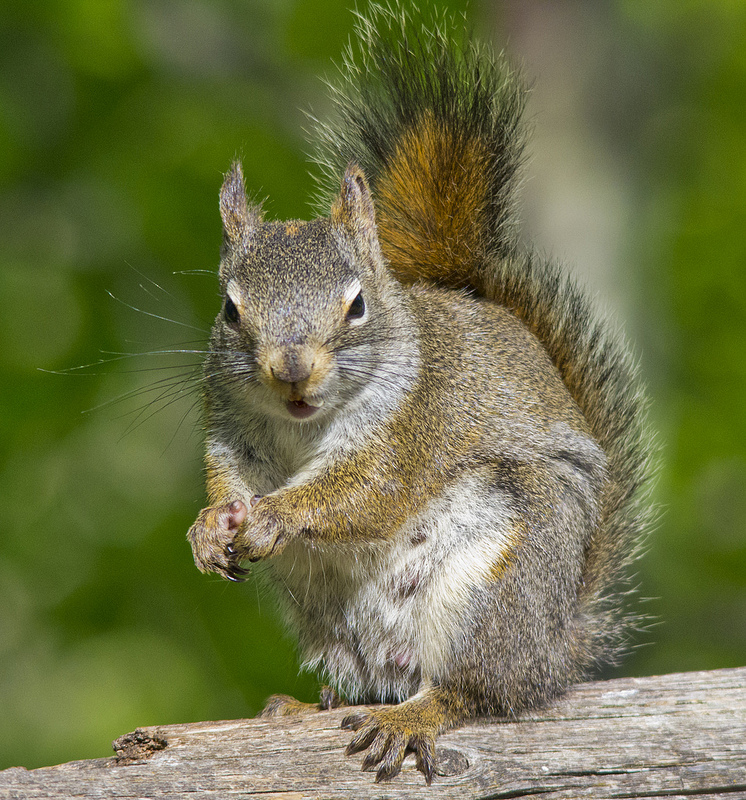
Red Squirrel
While this wasn’t yet our last trip with the Friends of Fish Creek, we were heading into the final weekends… which I will finish up later this week!
Good birding!
Posted by Dan Arndt
I’ve mentioned time and time again how much I love visiting the Weaselhead Natural Area in Calgary, even though until last year, I had never truly appreciated just how extensive the area is, and the history behind it. After counting birds there with Gus in the Fall Birding Course, with Rob Worona on the Christmas Bird Count, and then numerous times during the Winter and Spring birding course, followed up by not only a whirlwind tour during the Victoria Day Big Day, and then the May Species Count, one would think that I’d be a bit tired of it. Wrong.
We spent the morning of Sunday, June 10th in the Weaselhead once again, this time with a few target species in mind, but also visiting some areas that we didn’t spend a lot of time on during the May Species Count, and also letting the folks who weren’t able to commit to the many hours that morning for whatever reason get a good opportunity to see one of the few places in Calgary that one can see both the Rufous and Calliope Hummingbirds. On top of that, we got some bonus extra good looks of a few harder species to get close to, like the ever elusive Sora, and the Eastern Phoebe who are generally quite reluctant to allow close, clear views. Add to that this very brave Tennessee Warbler singing away on the main pathway through the park, and the spiralling, haunting song of the Swainson’s Thrushes calling from the south slope of the Elbow Valley, it made for a great day overall. We even got a few bonus birds throughout the day as well!
As we descended the slope into river valley, we had our goals well in mind. Hummingbirds, hummingbirds, hummingbirds. Whatever else we would see that day was superfluous, but since the males would be leaving the area soon, they were indeed our main objective. Down the hill and across the bridge, we were stopped for a few moments in awe of the Cliff Swallows under the pedestrian bridge, many still collecting mud for their nests, many others flying about catching insects for themselves or their young. Around the corner we paused to check for the Eastern Phoebes, and we saw not one, but both the male and female about, both gathering food. This one stopped to inspect us from only a few feet away for a good minute before finally retreating under the bridge.

Eastern Phoebe
Our first bonus bird of the day, and one of the most stunning ones to see any time of year, was this Pileated Woodpecker, who had left quite a bit of evidence of its presence for the other groups that week, but was drumming away on this trunk in its search for its next meal.
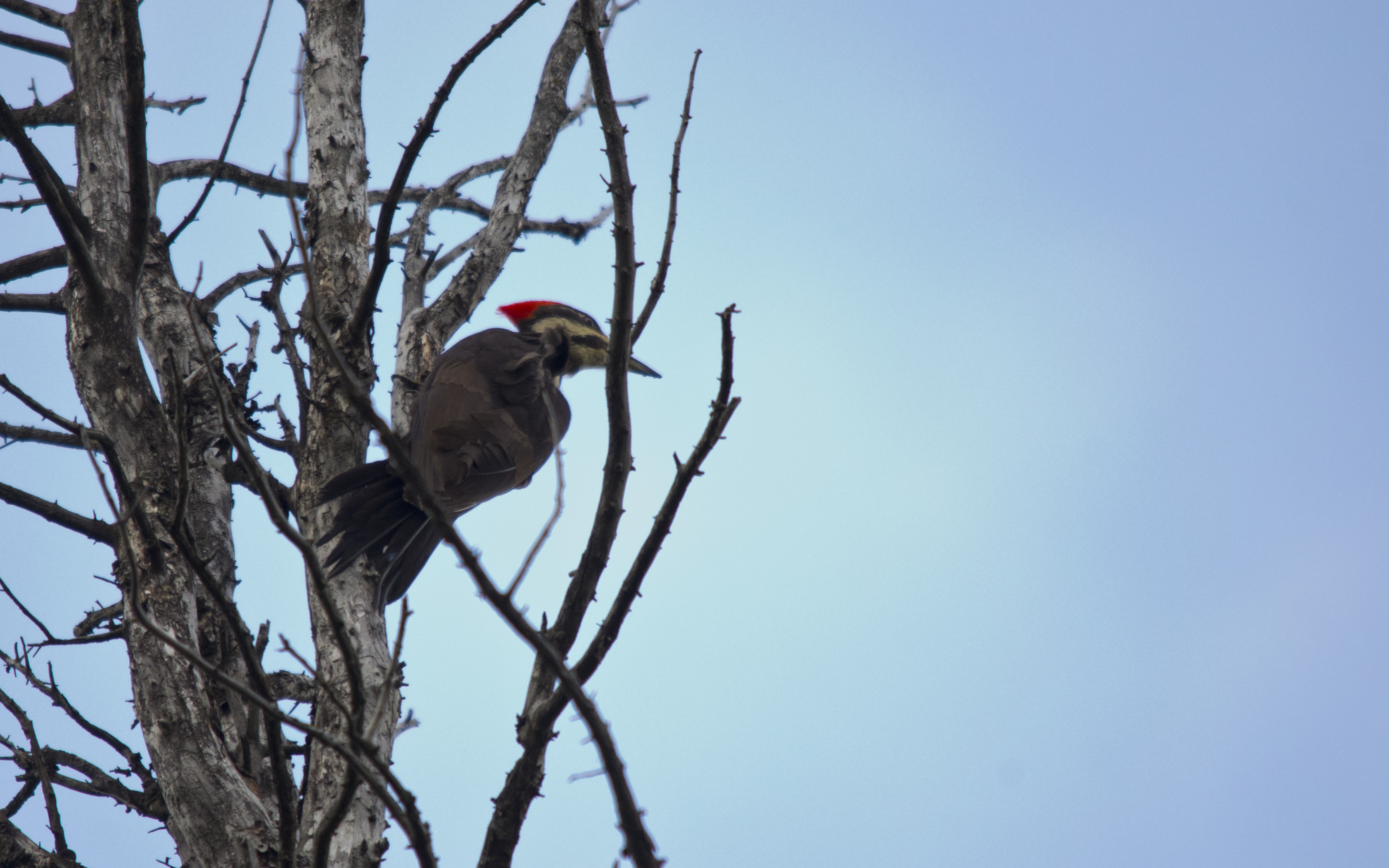
Pileated Woodpecker
A few hundred meters more brought us to our first hummingbird location. After scouting around for about five minutes or so, our search paid off as this male Calliope Hummingbird flew in to check us out. First keeping his distance, then coming in closer, and closer, and at one point buzzed within a foot of my head.
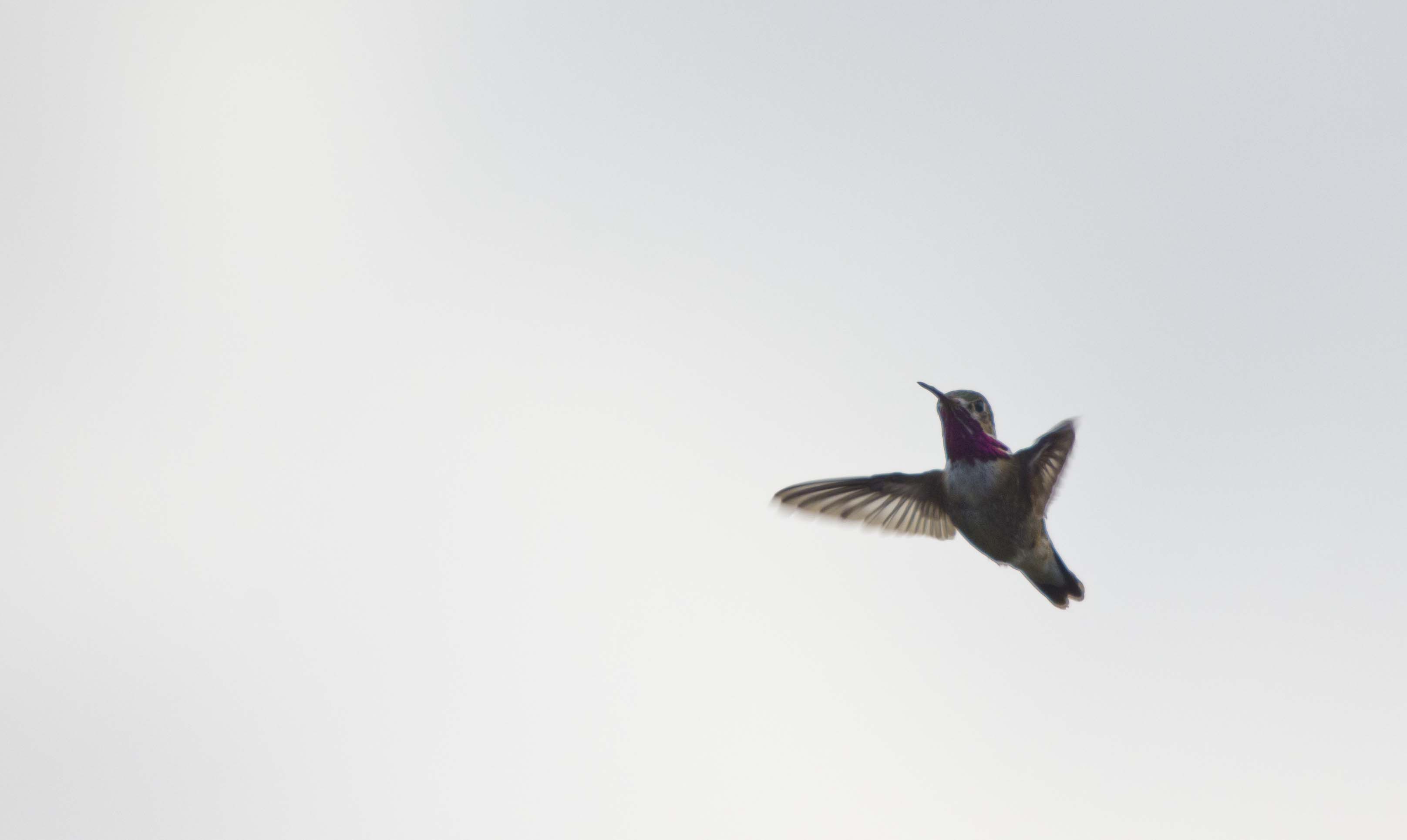
Calliope Hummingbird
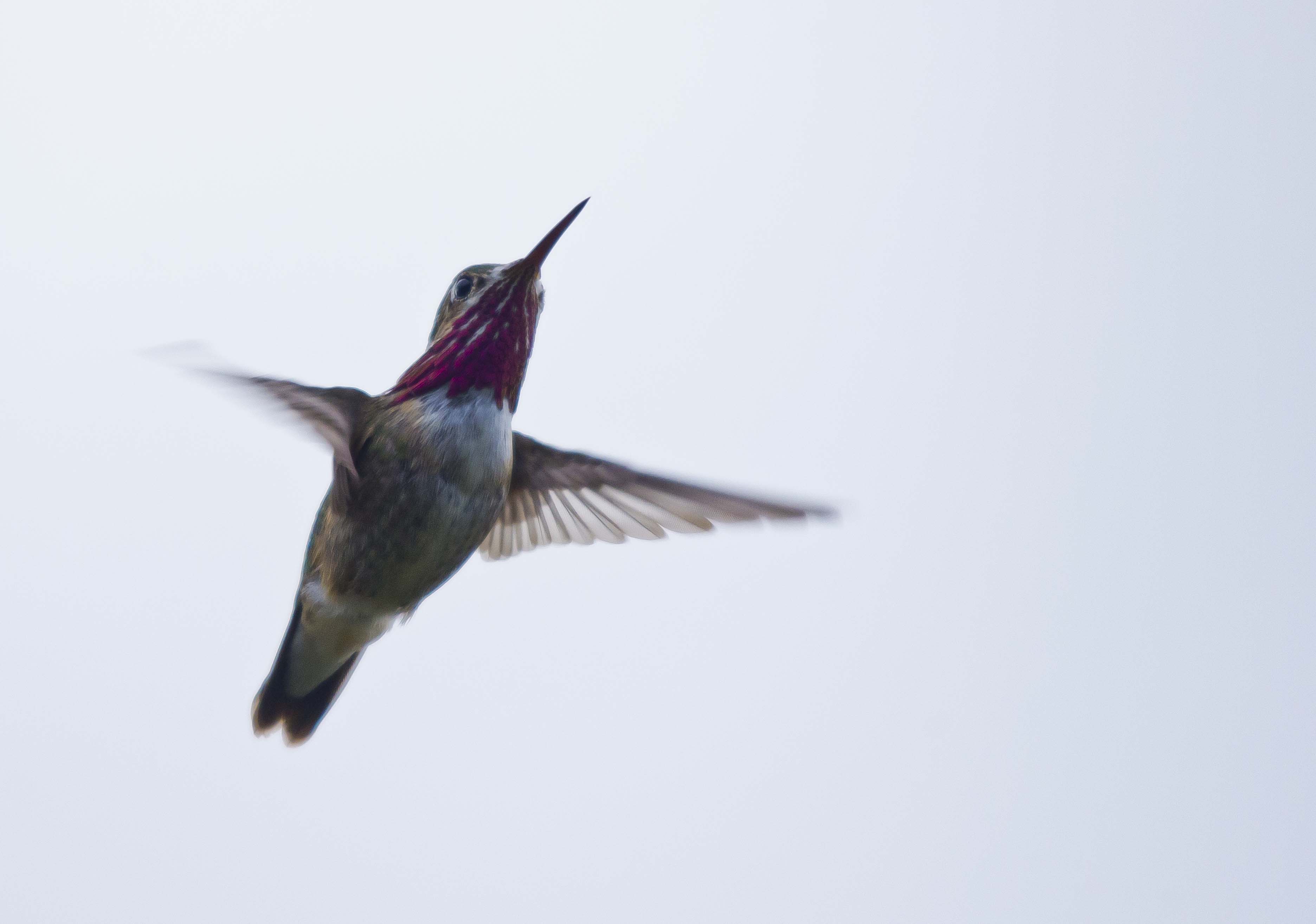
A Closer Inspection…
The whole experience was absolutely incredible, and I hope to see these hummingbirds again very soon!
From here, we headed west and south to the two beaver ponds at the south edge of the Weaselhead, and upon reaching the ponds, heard the call of the Sora in the western pond. A few of us took up positions in the underbrush on the edge of the pond, and I pulled out my phone to play a Sora call. The calls were answered, first about 50 feet away, then 40, then 30, and then almost immediately the birds popped into view, not one, but two of them coming right toward us! The Sora in the photo below was just beyond the 8′ minimum autofocus distance, but at one point it was right at my feet.
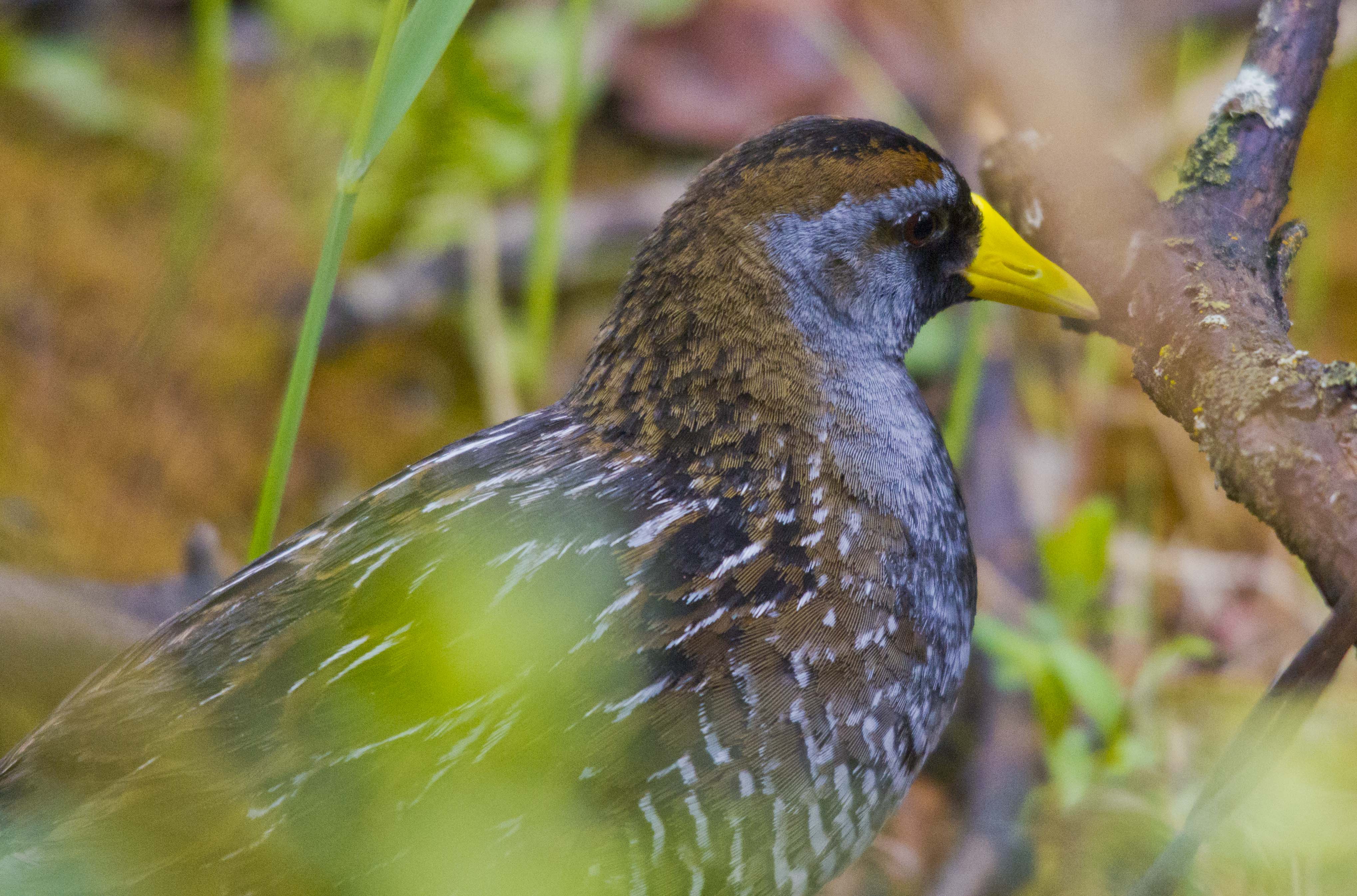
Sora Portrait
As we walked up the path behind the pond in search for grosbeaks, thrushes, and any other bird we could find, we were treated to this Common Raven being harassed by a Red-winged Blackbird for what seemed like forever.
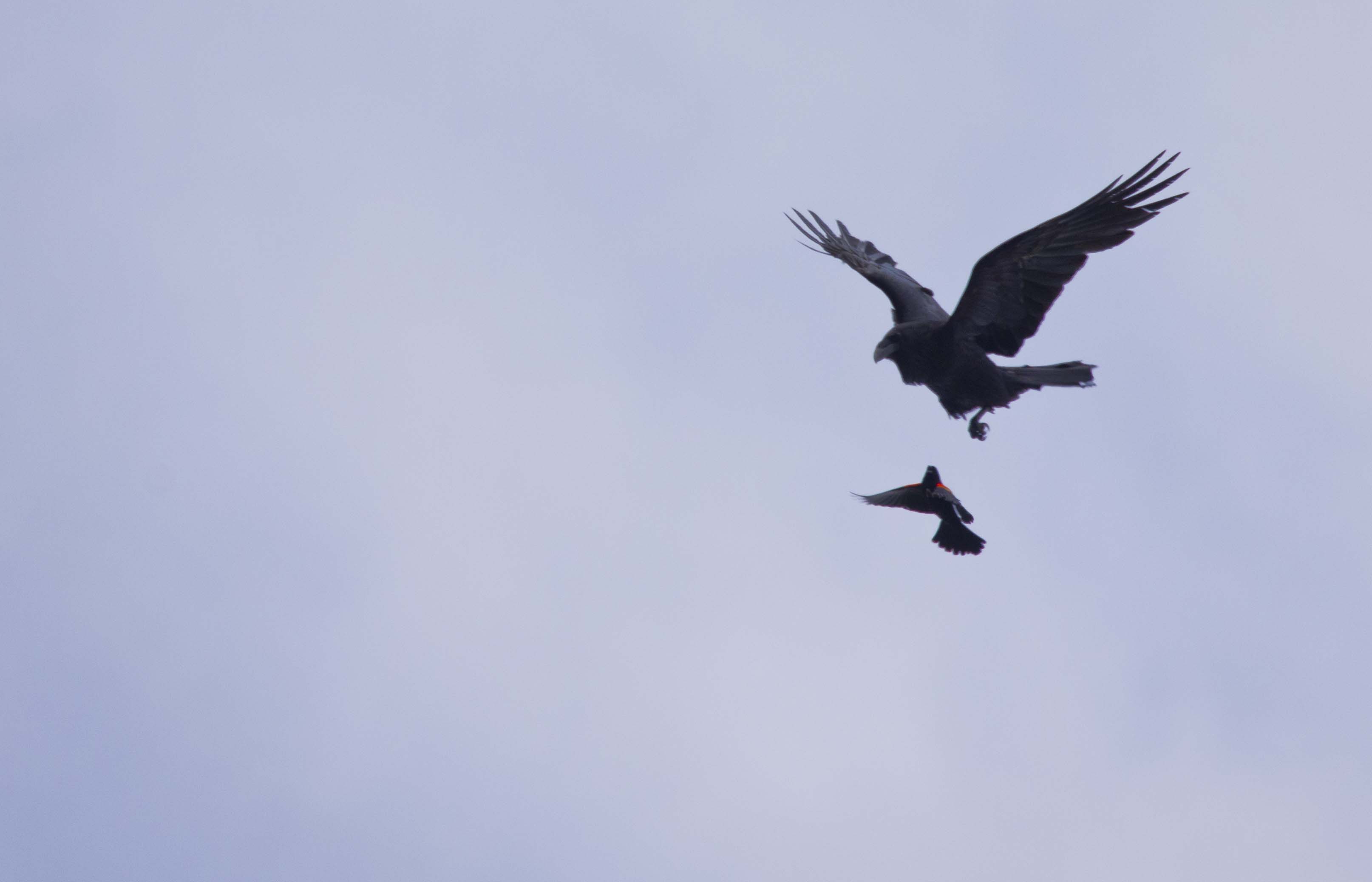
Red-winged Blackbird and Raven
Next on our list: the Rufous Hummingbirds nesting in the spruce trees on the north slope of the Elbow Valley. It’s a long trek through the Weaselhead from south to north, and we had a few bonuses along the way. Most impressive was this Tennessee Warbler, very likely on his nesting territory, who came out to challenge us.
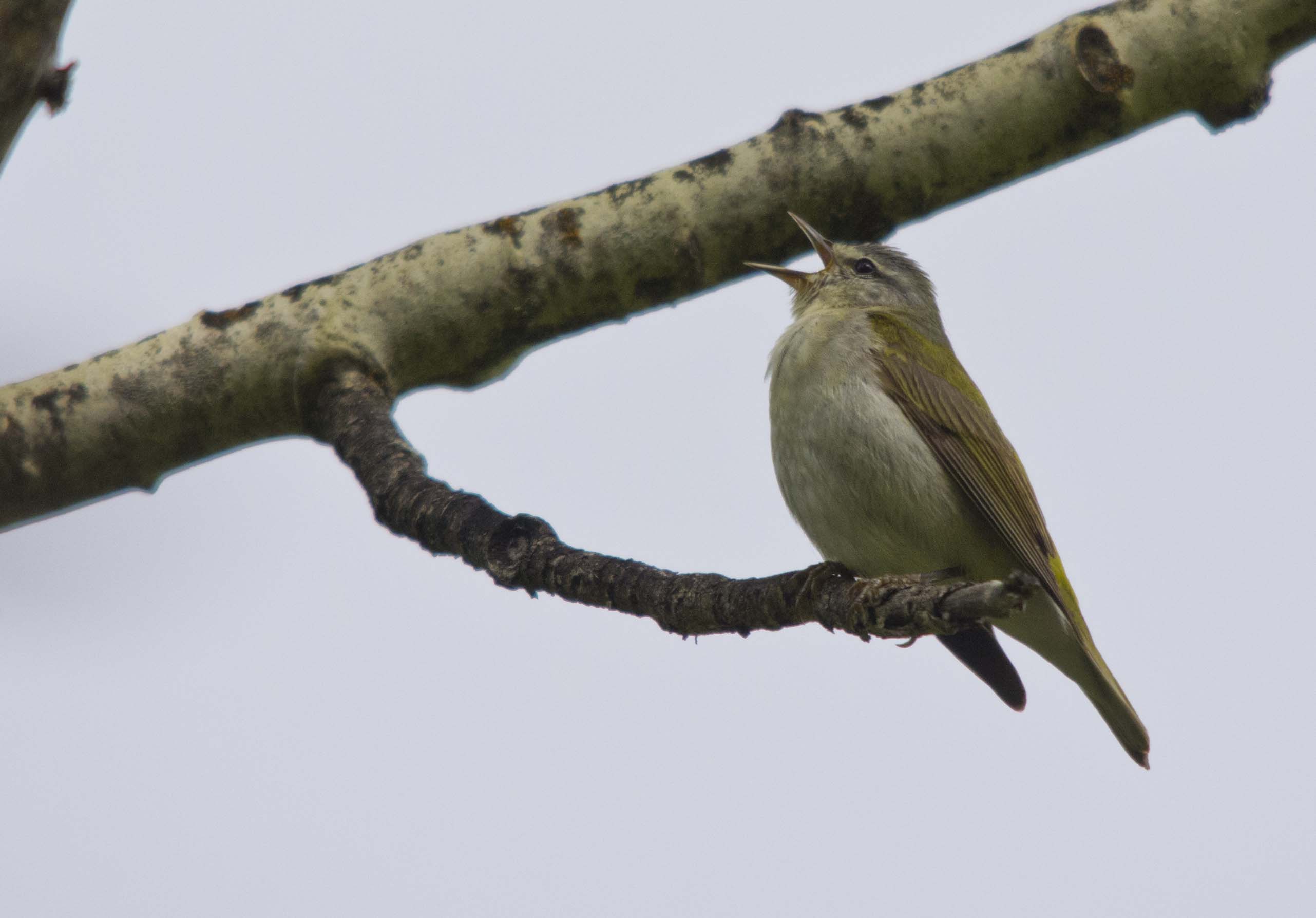
Tennessee Warbler
Back across the bridge, through the brush, and over the storm-water outflow drain and all of a sudden the buzzing and trilling of this Rufous Hummingbird was all around us. It displayed more than a few times by flying up high, then diving down to within a foot of the ground or bushes it was flying over, then back up to a perch before repeating the process. Unfortunately, with all the brush in the way and the bad light, few of my photos turned out at all, with this being the best of a bad few.
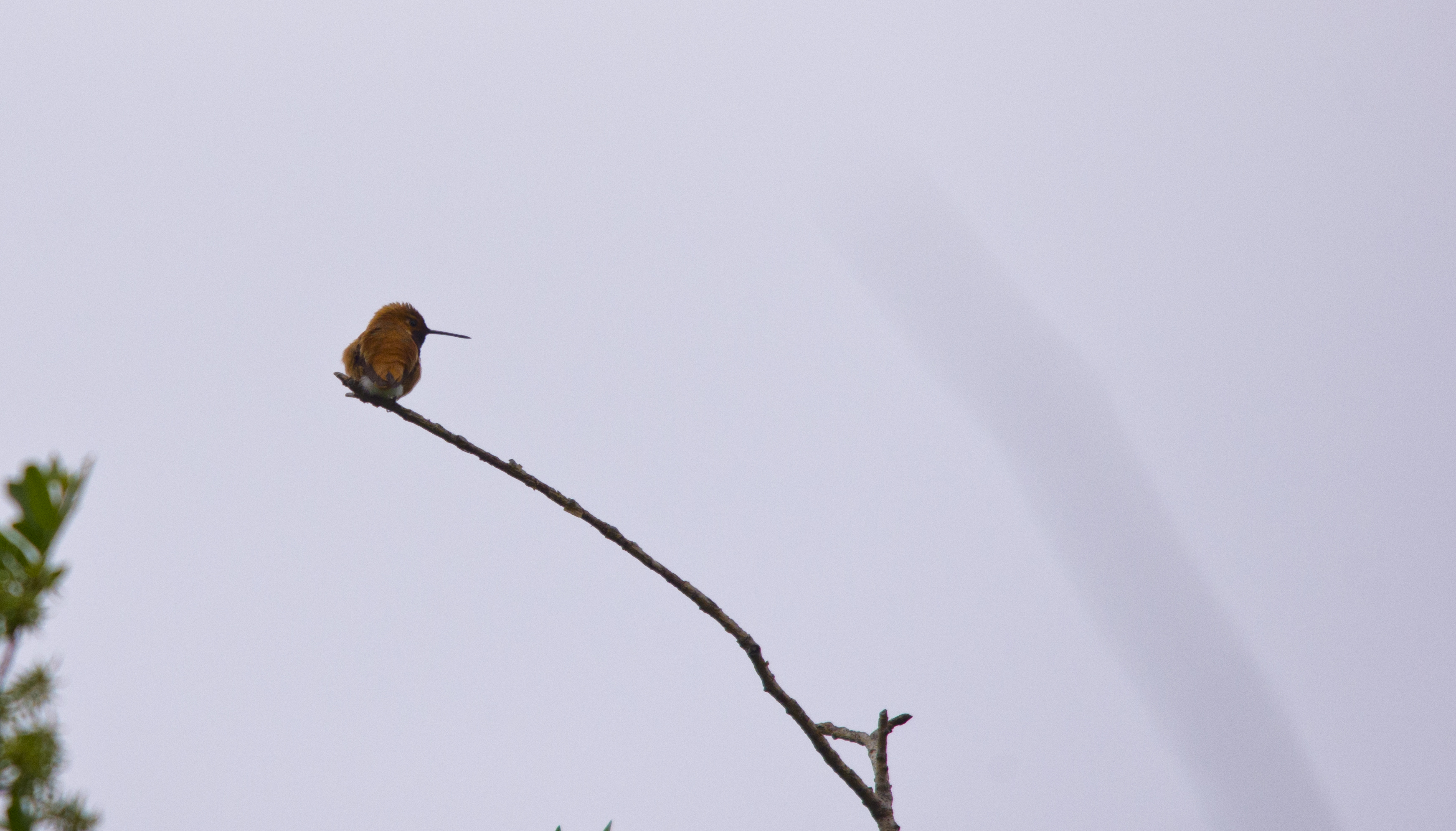
Rufous Hummingbird
On the way back out of the Weaselhead, we decided to take a shot at finding the Brown Thrasher that Bob and I had seen a few weeks prior. On the hillside from the north parking lot, about mid-way down, there’s a grove that is known for being one of the few places that Spotted Towhees have been seen breeding in Calgary. Across from that is a small clearing that, for the last dozen or more years, some locals have kept well stocked with food for the birds of the Weaselhead, and all year long is a great place to see some of the rarer ones feeding. No birds were at the spot that day, but this little Least Chipmunk was nibbling on some sunflower seeds.
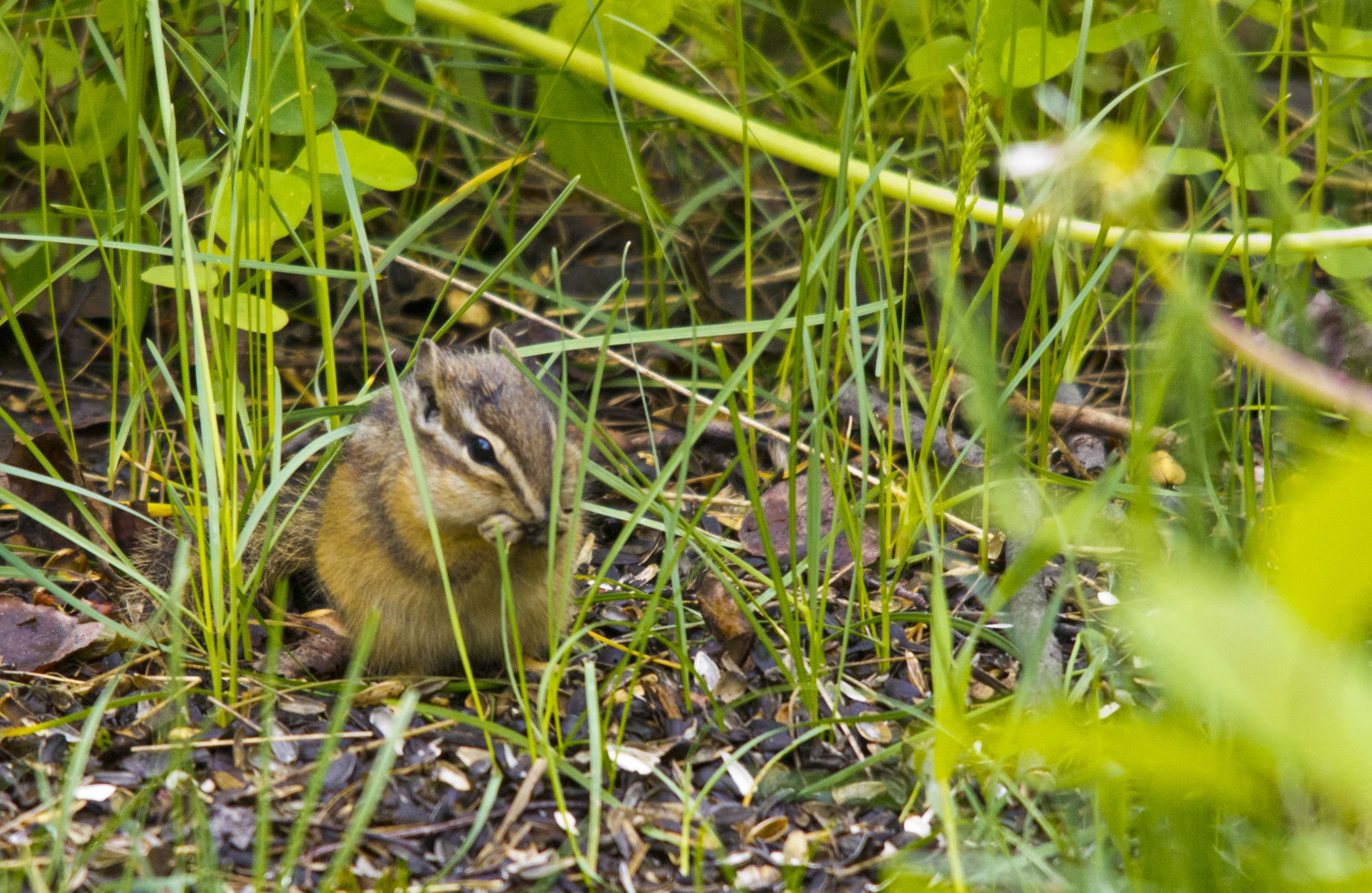
Least Chipmunk
Along the northern bank of the Glenmore Reservoir, below North Glenmore Park, a Brown Thrasher (or a few Brown Thrashers) have been seen regularly, and Bob and I had found it two weeks before. Unfortunately, the only close relative of the Brown Thrasher that we found were a couple of Gray Catbirds… but what we didn’t expect to see were not one, but three Spotted Towhees flying back and forth along the lower path. Calling out with their harsh squeaky and annoyed call while foraging for food and staying out of sight. Despite their best efforts though, I did manage a few quick shots!
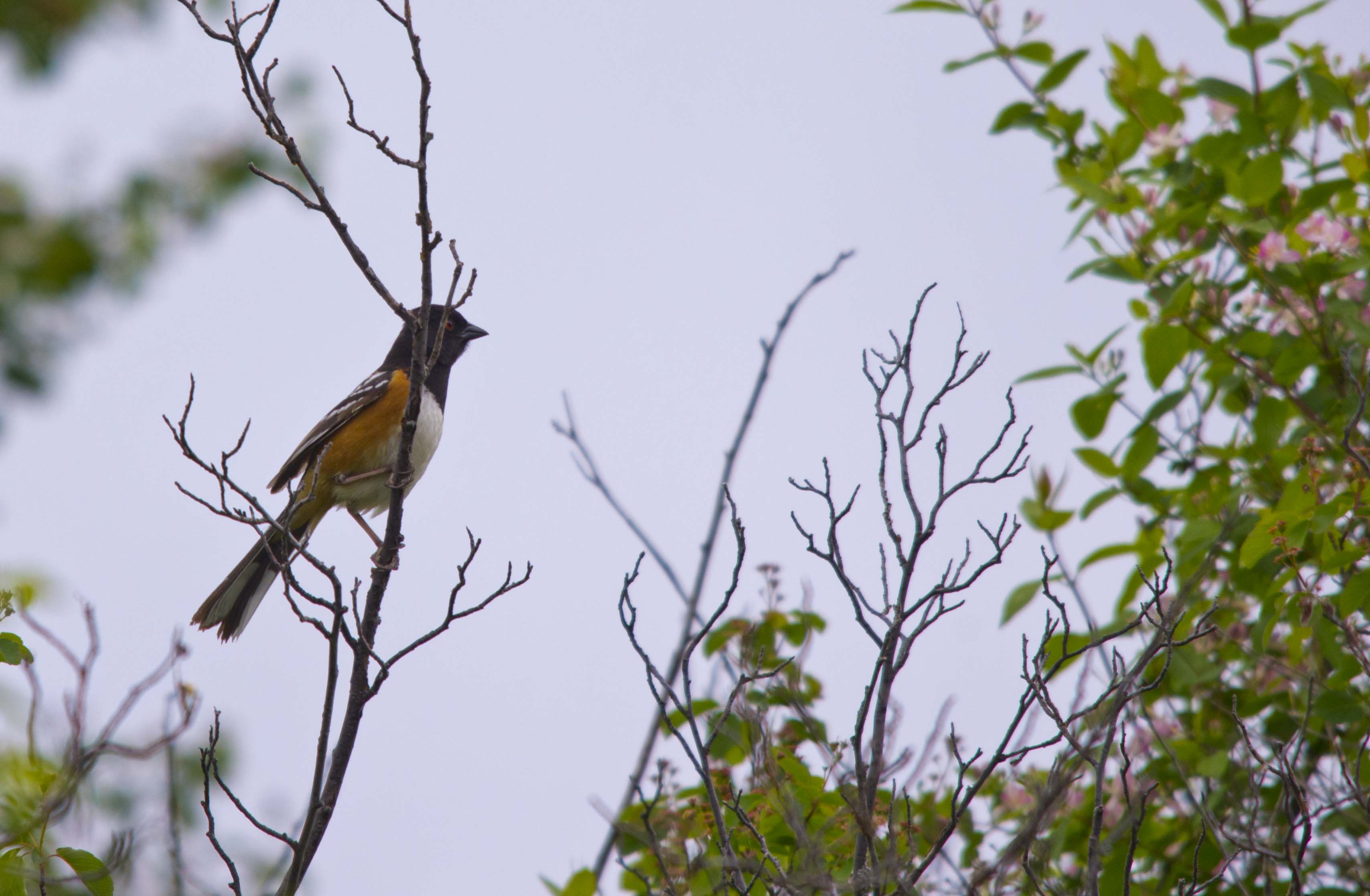
Spotted Towhee
Once again, a great day out with great people and amazing birds to see!
Have a wonderful week!