Something old, something new

Posted by Matthew Sim

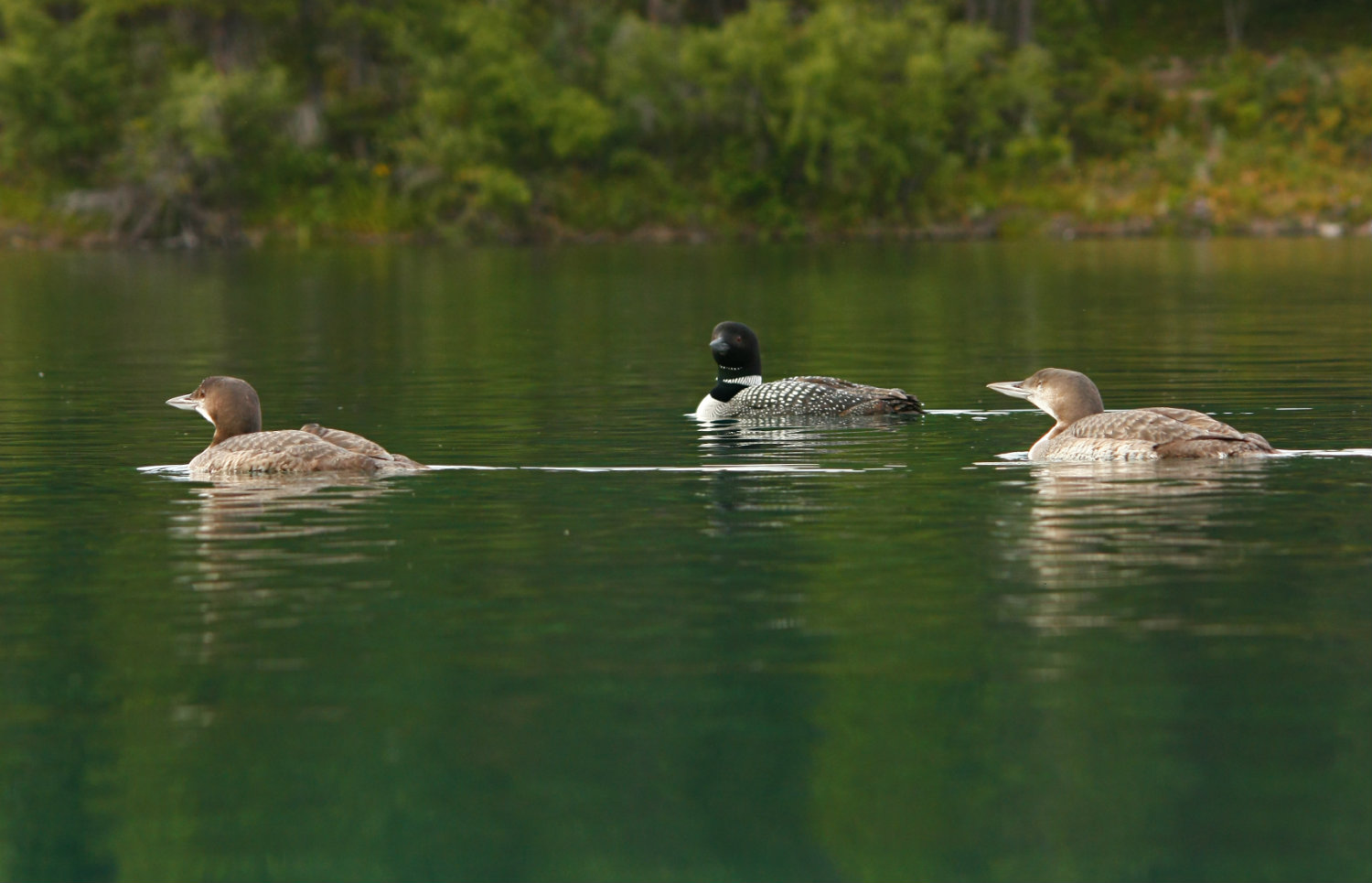
For the third straight year, on a camping trip to southeastern British Columbia, I watched a family of Common Loons as they went about their lives despite living on a very busy lake and getting quite a bit of disturbance from vacationing families. As we watched the parents (something old as I have seen them before) tending to their young (something new) I couldn’t quite help but be amazed at how they can continue call the lake home despite the popularity of the lake among campers.

This year, there were two young loons. You may remember from last year’s post that there was only one chick last year (last year’s post can be seen here). It was quite remarkable to watch how the adult loons worked together this year with two chicks instead of one; sometimes each parent would take care of one of the chicks while at other times, one parent would give the other a break and watch over both chicks for a while before the parents eventually switched.

Though loons can be very sensitive to disturbance, these loons seem to have adapted well to human presence. Also, there is no motorized boat traffic on their lake, so maybe they are fine with kayakers, canoes and swimmers.

Off to feed its young

Common Loons nest on small islands, muskrat lodges and sometimes on the shores of their lake if these shores are forested and undisturbed. They lay one or two (sometimes three) eggs and take turns incubating these eggs for 28-30 days before the black, downy chicks are hatched.  These chicks can swim  immediately and they leave the nest with their parents within 24 hours of hatching. Though they can swim, for the first 2 weeks they will often ride on their parents backs perhaps to stay warm and avoid predators. Within six to eight weeks the young will be the size of the adults but until about eight weeks, they will continue to be fed by their parents. I noticed that of the 2 chicks, one seemed to be very independent already while the other one stayed close to at least one adult. Perhaps they had hatched several days apart?

The more dependent of the two chicks being fed; or maybe it just enjoyed free food?!

By three months, mountain lakes such as this one start to get colder and eventually the loons will have to leave; by three months the young can fly. During the 4 days that I was there,  the young loons attempted flying a few times, though judging by all the splashing and flopping around, they still need some more practice.

Learning to fly

I found it quite interesting to observe the loons. Often, when I would watch them from a distance, patience would pay off and they would eventually swim quite close to me, within a few feet. The young ones seemed to be especially curious and would often linger around my raft. I had a great time watching the loons and spent many hours with them up close, learning different aspects of their lives. I got plenty of photos and as these seem to tell a story better than words I will leave it at that.

Travel Tuesday – Elk Island National Park

Posted by Dan Arndt

While this blog usually focuses on the birds in and around Calgary, many folks travel for work, for pleasure, or just to see new great birds in other areas of the province. In the last year, I’ve been up to Elk Island National Park twice, and each time has been absolutely amazing. I look forward to my next visit, and hope it’ll be sooner than next summer, but time is always fleeting and it can be hard to justify a trip without other things to do up there. Plus, with the Friends of Fish Creek Autumn Birding Course starting up in a few weeks, many of my weekends are spoken for!

The Beaver Hills region of Alberta, which includes Elk Island National Park, are a unique topographical area formed by the retreat of the glaciers at the end of the last ice age. As they melted and stagnated, they formed what is known as “kame and kettle topography”. Why is this important to birds, you might ask? These kettle lakes are home to tens of thousands of gulls, shorebirds, and a water source for the surrounding boreal forest that established along the top of the “kames” which are regional topographical highs. In many cases, these are up to a hundred meters higher than the surrounding landscape, and gently sloped on either edge, forming something similar to the foothills style landscape that we’re so used to around Calgary.

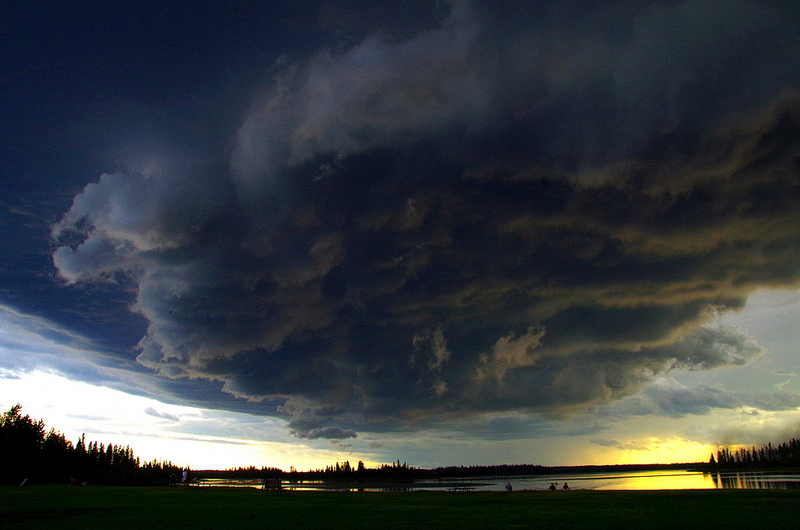
Over Heritage Day long weekend, we spent three days up there relaxing by the lake, enjoying the calm, serene waters, and weathering the sometimes frighteningly extreme weather.

Storm over Astotin Lake

This storm cell over Astotin Lake was so severe that we were asked to evacuate our campsite and take shelter in our vehicle.

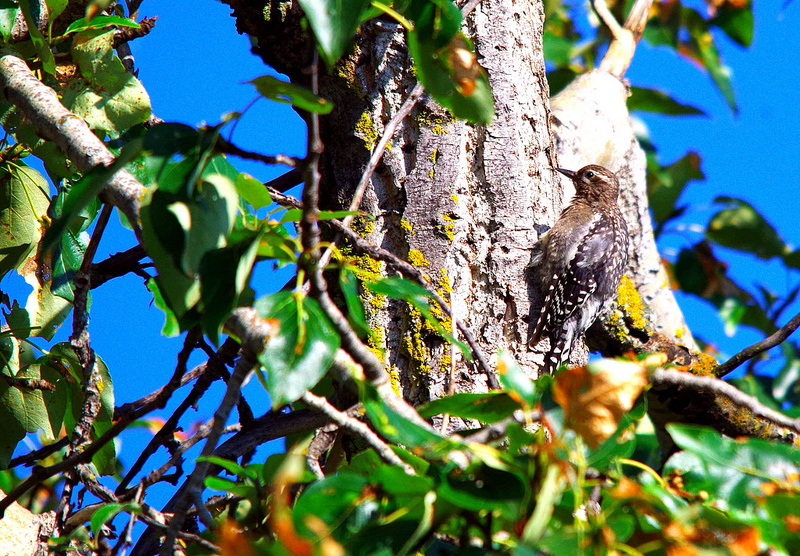
Thankfully, the weather lightened up over the next two days allowing for some good sightings of some beautiful and amazing birds, some of which paid us many visits at our campsite over the weekend. This juvenile Yellow-bellied Sapsucker was part of a family group that spent every day in the trees nearby.

Yellow-bellied Sapsucker

Yellow-bellied Sapsucker

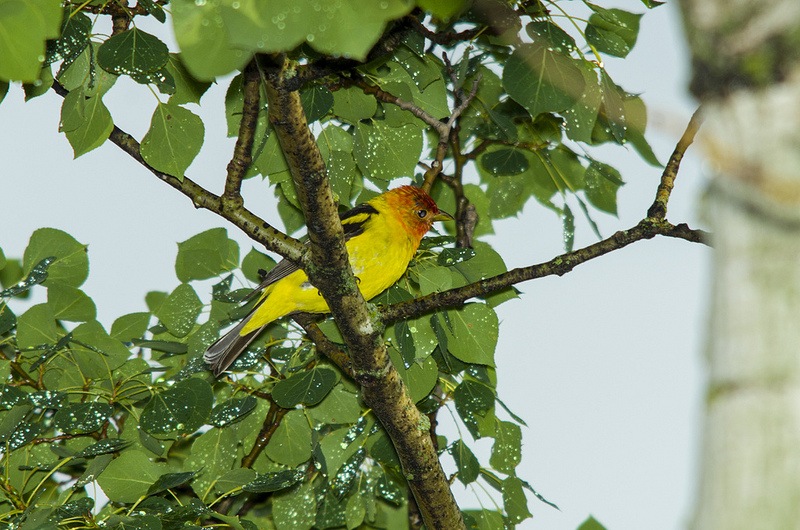
Western Tanagers are some of the most colourful birds we get in Calgary, and it was great to find not one but two breeding groups on hiking trails in the park.

Western Tanager

Western Tanager

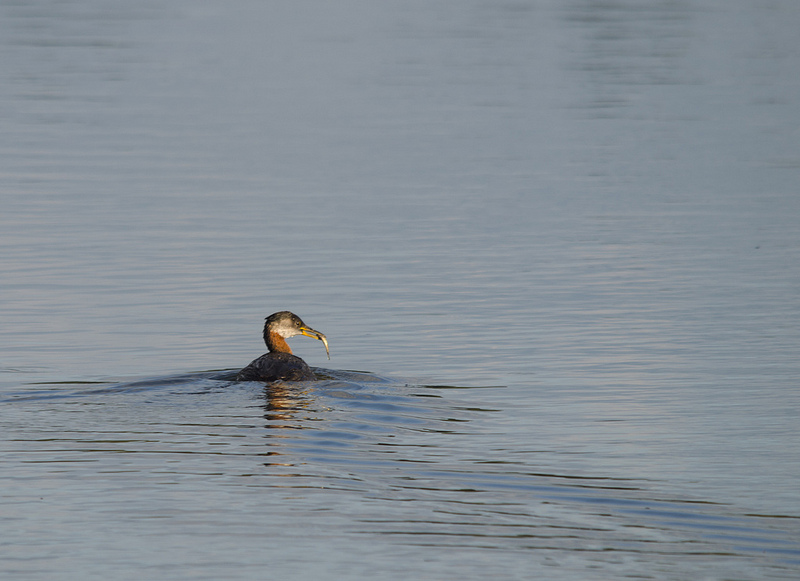
The main campground is located a stone’s throw from Astotin Lake, which is home to dozens of Red-necked Grebes. Last year, there must have been nearly two-hundred just near the shoreline in late September, but this year, since it was a bit earlier, the numbers weren’t quite so high. The population was still healthy this August, as this adult shows.

Red-necked Grebe

A Red-necked Grebe finds his favourite fish breakfast.

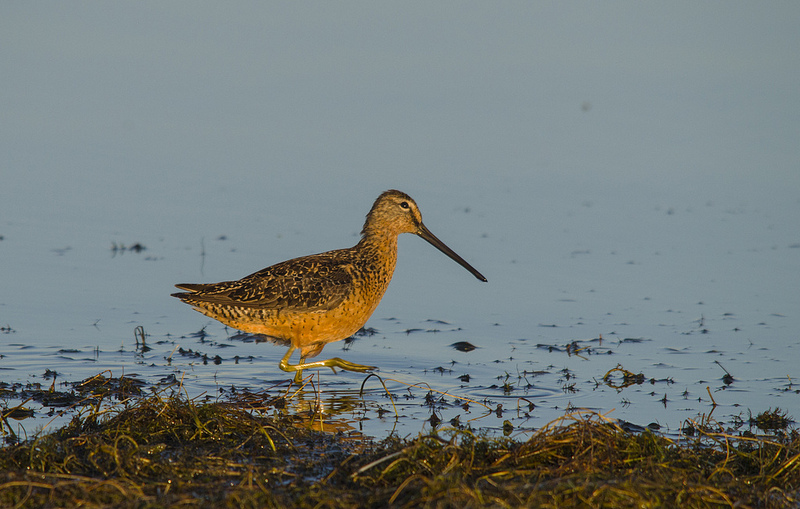
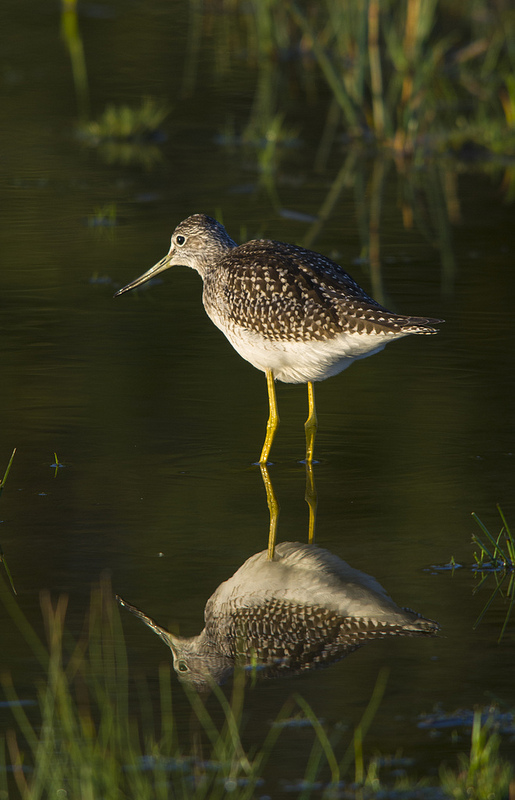
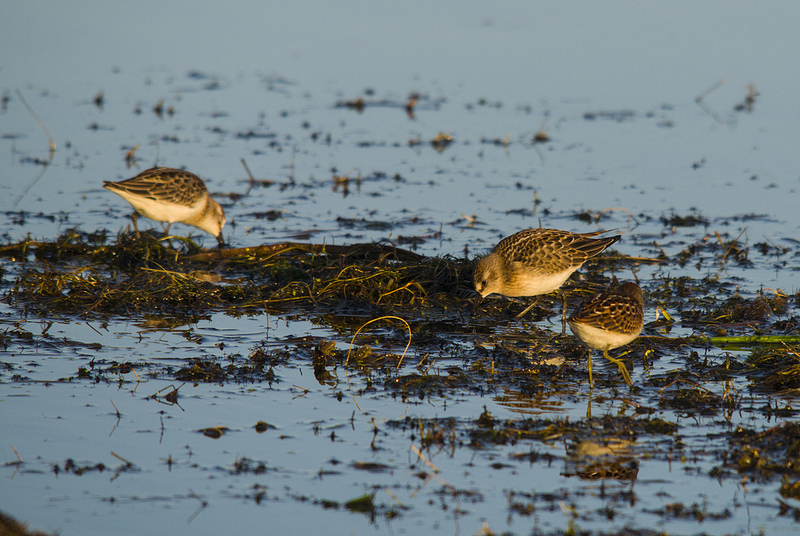
Shorebirds were present in small numbers as well, though I would expect by this time, their numbers are much higher, and will continue to climb until late September as migration steps on its perpetual course. A few Semipalmated Sandpipers and Least Sandpipers seemed to be flocking with, and stalking, this Long-billed Dowitcher, who in turn followed around a Greater Yellowlegs every time it was startled and flew off in another direction.

Long-billed Dowitcher

Long-billed Dowitcher

Greater Yellowlegs

Greater Yellowlegs

Semipalmated Sandpipers (centre, left) and Least Sandpiper (front right).

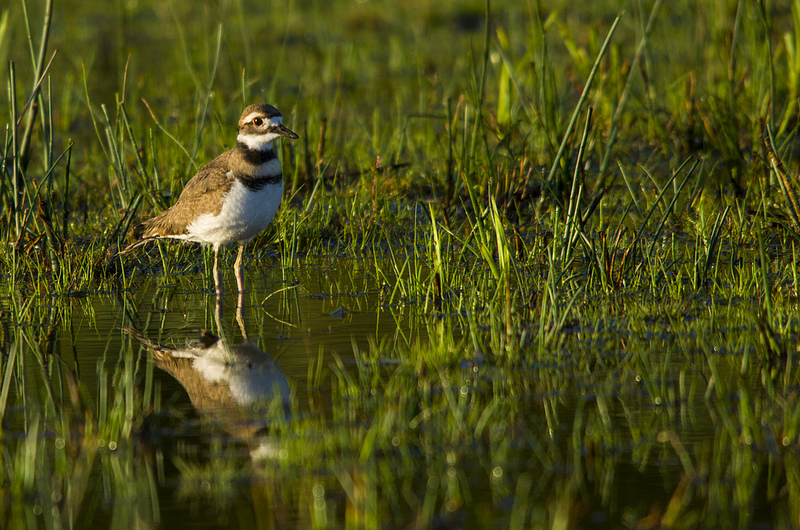
One of my favourite shorebirds was present on the shores of Astotin Lake, and seemed to be the mother (or maybe father?) of at least three juveniles that tentatively poked their heads out of the long grasses every few minutes. This Killdeer kept a wary eye on me and would fly away any time I moved toward it, or toward the young ones, so I simply sat on a picnic table and waited for him to come to me.

Killdeer

Killdeer

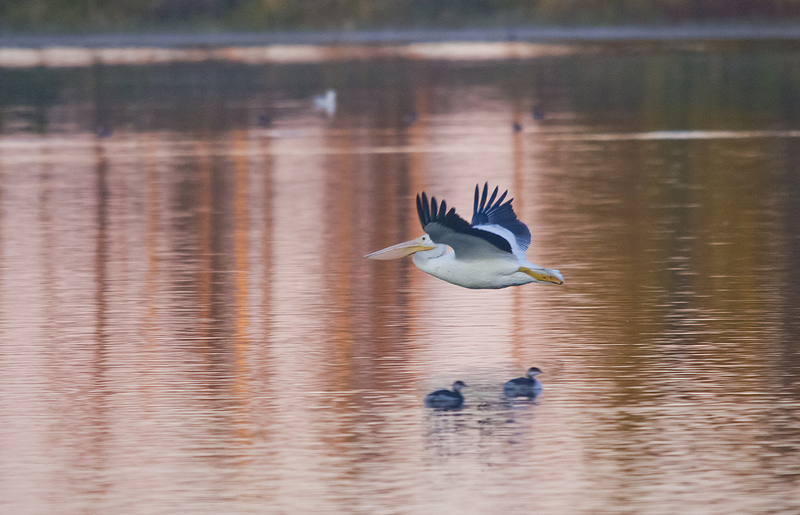
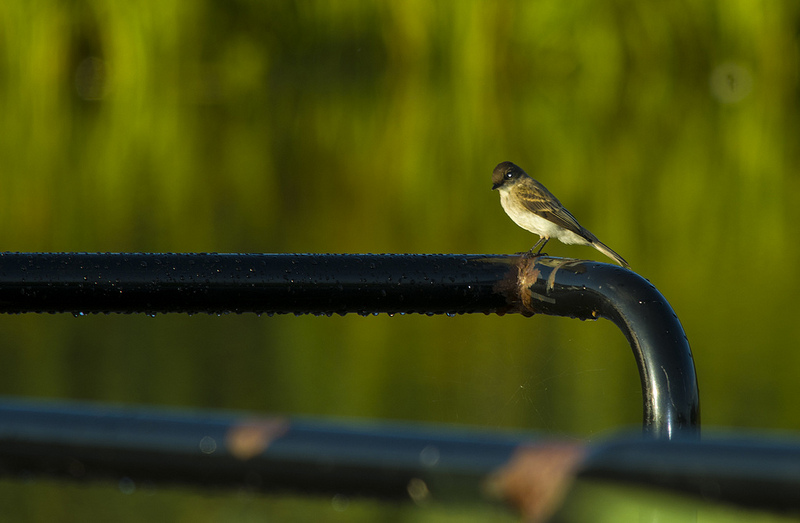
Some of the other birds present in good numbers were a couple of flocks of American White Pelicans, Song Sparrows, and even a few Eastern Phoebe made their presence known.

American White Pelican

American White Pelican

Evil Phoebe

This Eastern Phoebe looks downright evil with the flash reflection in its eye!

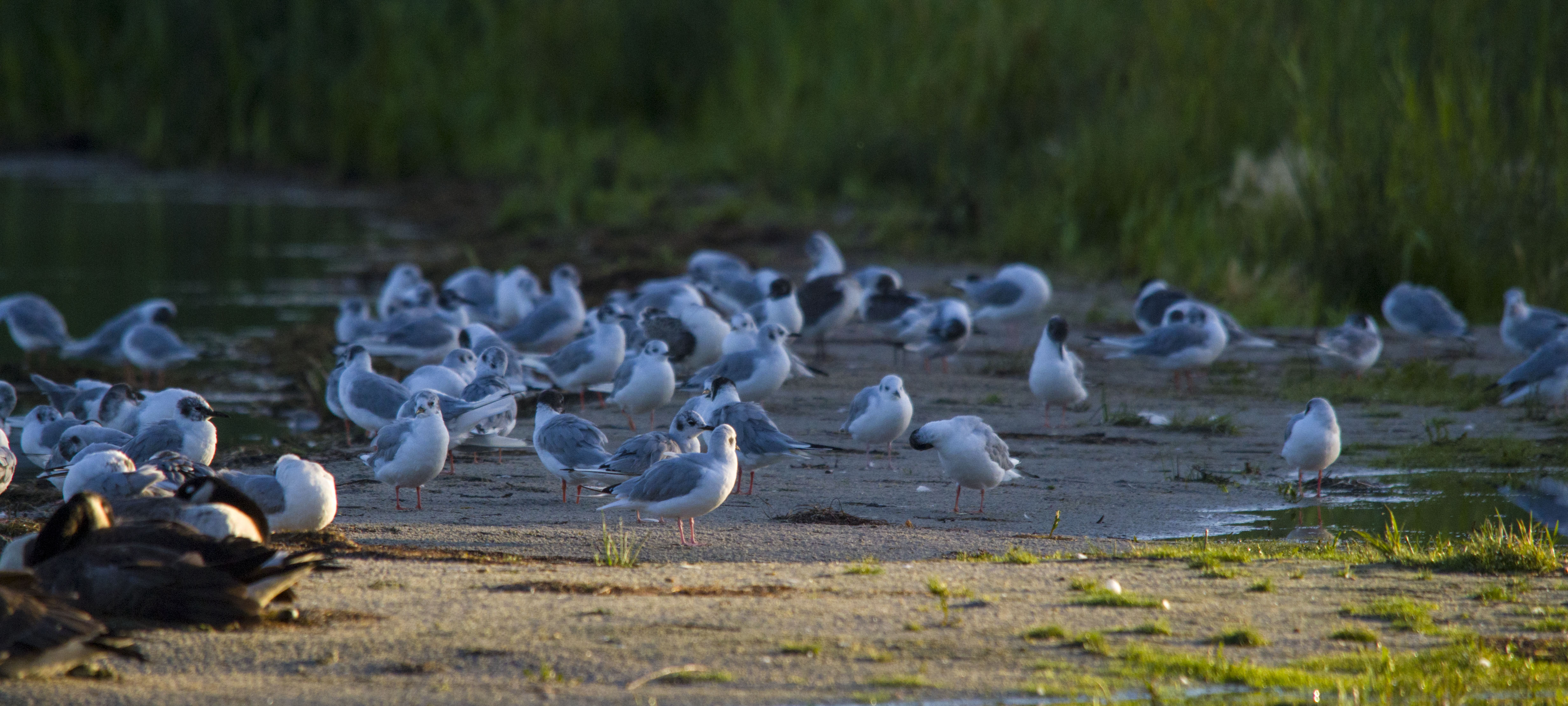
By far though, the flocks that outnumbered all other birds combined were the huge numbers of Barn Swallows swarming over the lakes, and the massive flocks of Franklins and Bonaparte’s gulls, both quickly losing their breeding plumage and entering their winter molts.

Mostly Bonaparte’s Gulls with a few Franklin’s Gulls thrown in just to make things interesting (and confusing!).


Good birding!

Sunday Showcase: Sandhill Crane

Rob English photographed this beautiful bird that his wife spotted on Grand Valley Road in mid-July.

Rare Bird Alert Calgary: Aug 16

Have you seen an unusual bird in Calgary?

If it is on this Reportable_Birds (PDF), please report it to the Nature Calgary Rare Bird Alert line at 403 221-4519 and leave a message after the beep at the end of the recording. If you would like some help with species identification, email us at birdscalgary@gmail.com.  To report injured wildlife call the Calgary Wildlife Rehabilitation Society at 403 239-2488, or the Alberta Institute for Wildlife Conservation at 403 946-2361.

Compiled by Terry Korolyk

Aug 13:
PURPLE FINCH, OLIVE-SIDED FLYCATCHER (3), ROSE-BREASTED GROSBEAK , HERRING GULL at Inglewood BS, Bill Wilson.
OLIVE-SIDED FLYCATCHER by bridge 5 , Marshall Springs, FCPP, Al Borgardt.

Aug 14:
WILSON’S WARBLER (8), AMERICAN REDSTART, NORTHERN WATERTHRUSH, SOLITARY SANDPIPER (2), Confederation Park, BW.
WESTERN SANDPIPER, slough at 304 St SE, 2km S of Hwy 552, and 19 species of SHOREBIRDS, slough at Hwy 560 W of Hwy 24, Richard Clarke.

Aug 15:
AMERICAN REDSTART (7), ROSE-BREASTED GROSBEAK, WILSON’S WARBLER, OLIVE-SIDED FLYCATCHER, Willow Pk, Matthew Sim.
TENNESSEE WARBLER (6), NORTHERN WATERTHRUSH at Hull’s Wood, FCPP, MS.
CANADA WARBLER, S end IBS, Pat Mitchell.

The next scheduled update of the Bird Alert is on Monday Aug 20.

Rare Bird Alert Calgary: Aug 13

Have you seen an unusual bird in Calgary?

If it is on this Reportable_Birds (PDF), please report it to the Nature Calgary Rare Bird Alert line at 403 221-4519 and leave a message after the beep at the end of the recording. If you would like some help with species identification, email us at birdscalgary@gmail.com.  To report injured wildlife call the Calgary Wildlife Rehabilitation Society at 403 239-2488, or the Alberta Institute for Wildlife Conservation at 403 946-2361.

Compiled by Terry Korolyk

AUG 12

WHITE-RUMPED SANDPIPER – at slough on Hwy 560 just west of Hwy 24 , Terry Korolyk
WESTERN SANDPIPER – 2 at large slough on 304 St. SE 2 kms south of Hwy 552
SANDERLING – At Weed Lake on Hwy 560 at Landon, TK
ORANGE-CROWNED WARBLER – Inglewood Bird Sanctuary, Steve Kassai
CONNECTICUT WARBLER – as above
TENNESSEE WARBLER – 4 as above
NORTHERN WATERTHRUSH – 3 by west bridge in Confederation Park reported by Dan Arndt
LINCOLN’S SPARROWS – 4, as above
LOGGERHEAD SHRIKE – 4 northeast of Chestermere Lake on Inverlake Road between RR 274 and Hwy 9, DA

The next scheduled update of the bird alert is on Mon Aug 16.

Sunday Showcase: Great Gray Owls

Mitchell Kranz found this group of Great Gray Owls, including four adults and three owlets, west of Turner Valley in late July.

Photo by Logan Gibson.

Rare Bird Alert Calgary: Aug 9

Have you seen an unusual bird in Calgary?

If it is on this Reportable_Birds (PDF), please report it to the Nature Calgary Rare Bird Alert line at 403 221-4519 and leave a message after the beep at the end of the recording. If you would like some help with species identification, email us at birdscalgary@gmail.com.  To report injured wildlife call the Calgary Wildlife Rehabilitation Society at 403 239-2488, or the Alberta Institute for Wildlife Conservation at 403 946-2361.

Compiled by Terry Korolyk

AUG 4

TRUMPETER SWAN – adult on large marsh on east side of Hwy 22, 1 km south of the Plummer’s Road Junction, Terry Korolyk observed its presence all summer
RED PHALAROPE – 4 juveniles seen by Tony Timmons, Al Borgardt and Howard Heffler on a slough near the Brant Hutterite Colony west of Hwy 804;

AUG 5

RED PHALAROPE – 1 juvenile seen by TK 1 km south of Hwy 552 on 304 St East

AUG 8

RED-TAILED HAWK – adult female rufous morph at Votier’s Flats seen by TK , noted there for 3rd consecutive season

The next scheduled update of the bird alert is on Mon Aug 13.

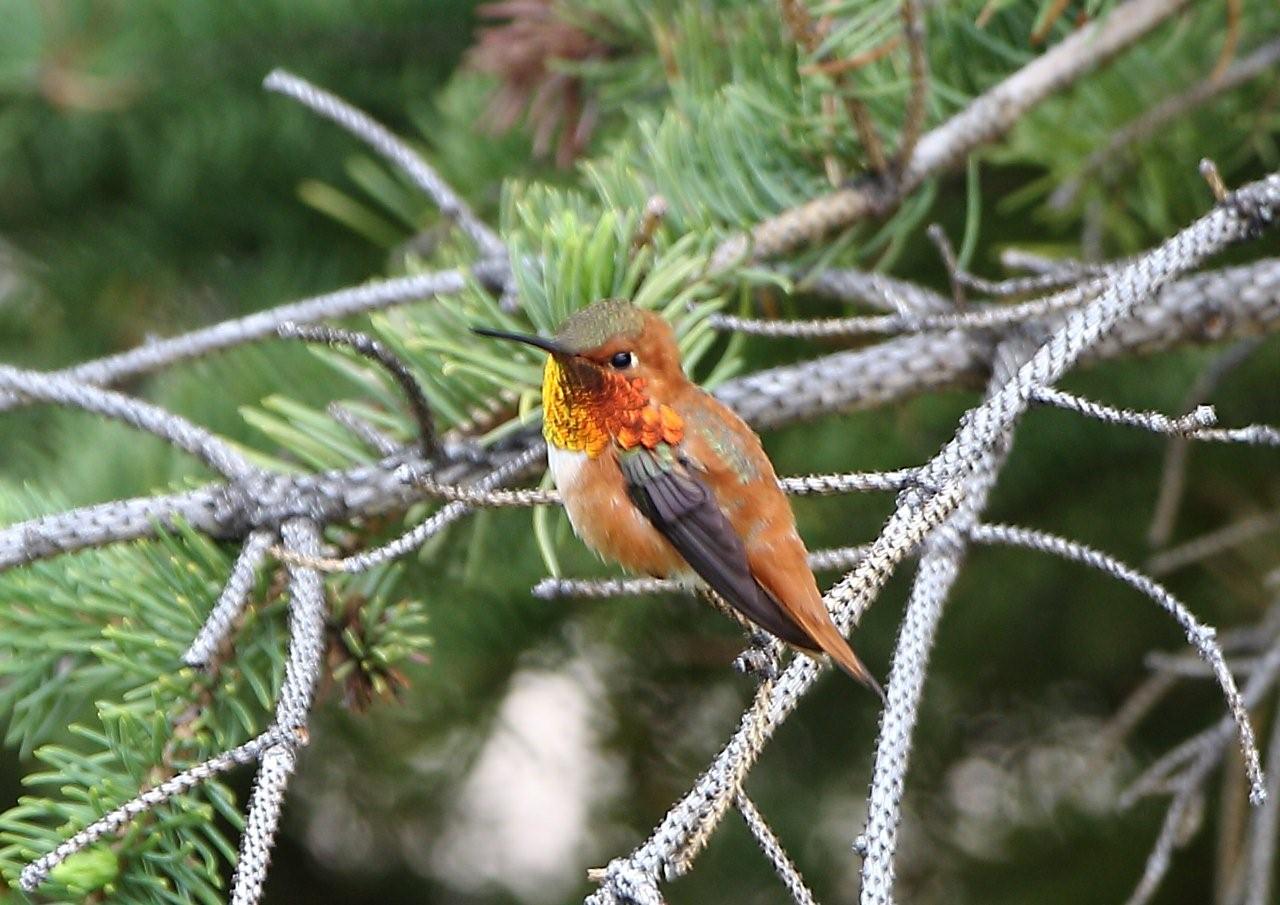
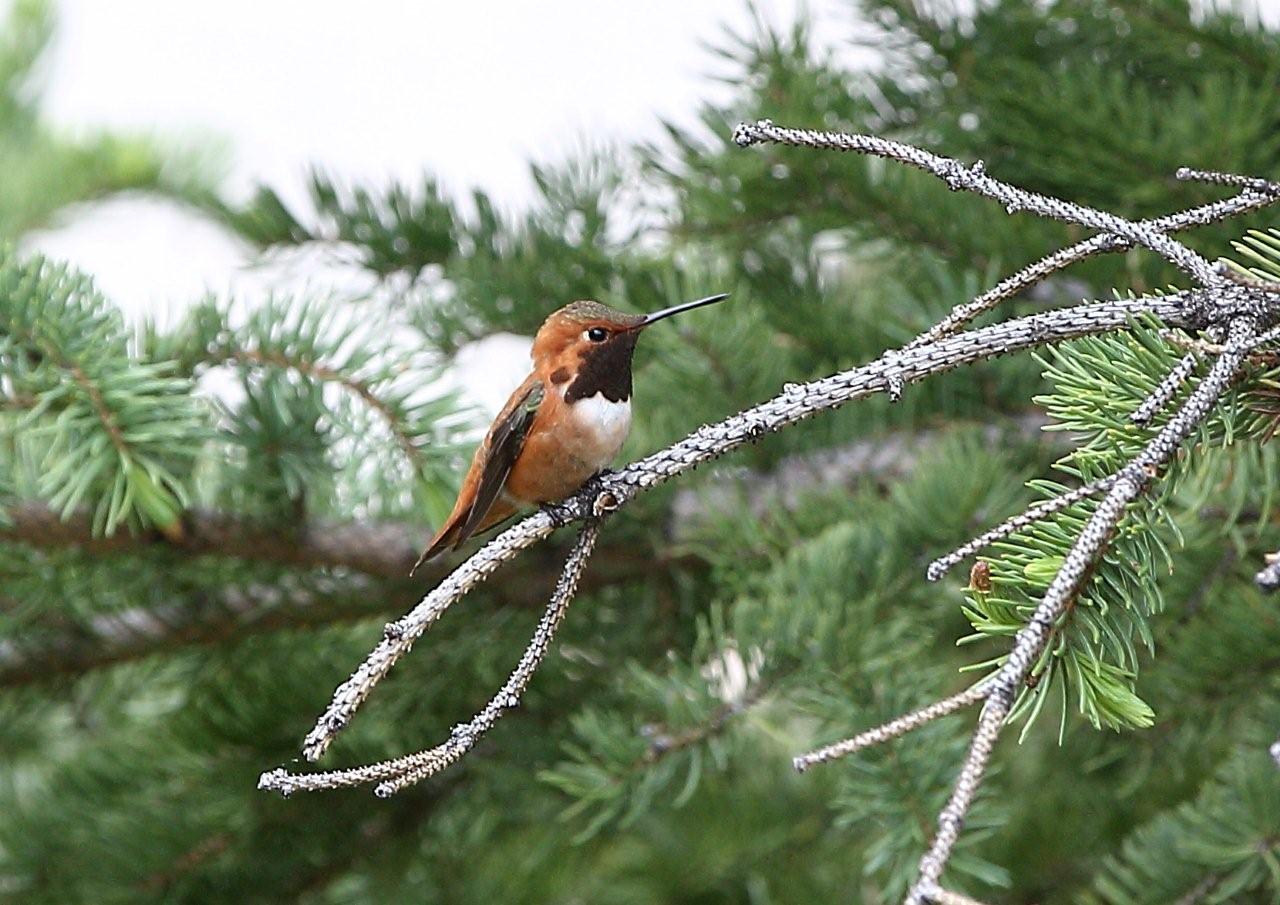
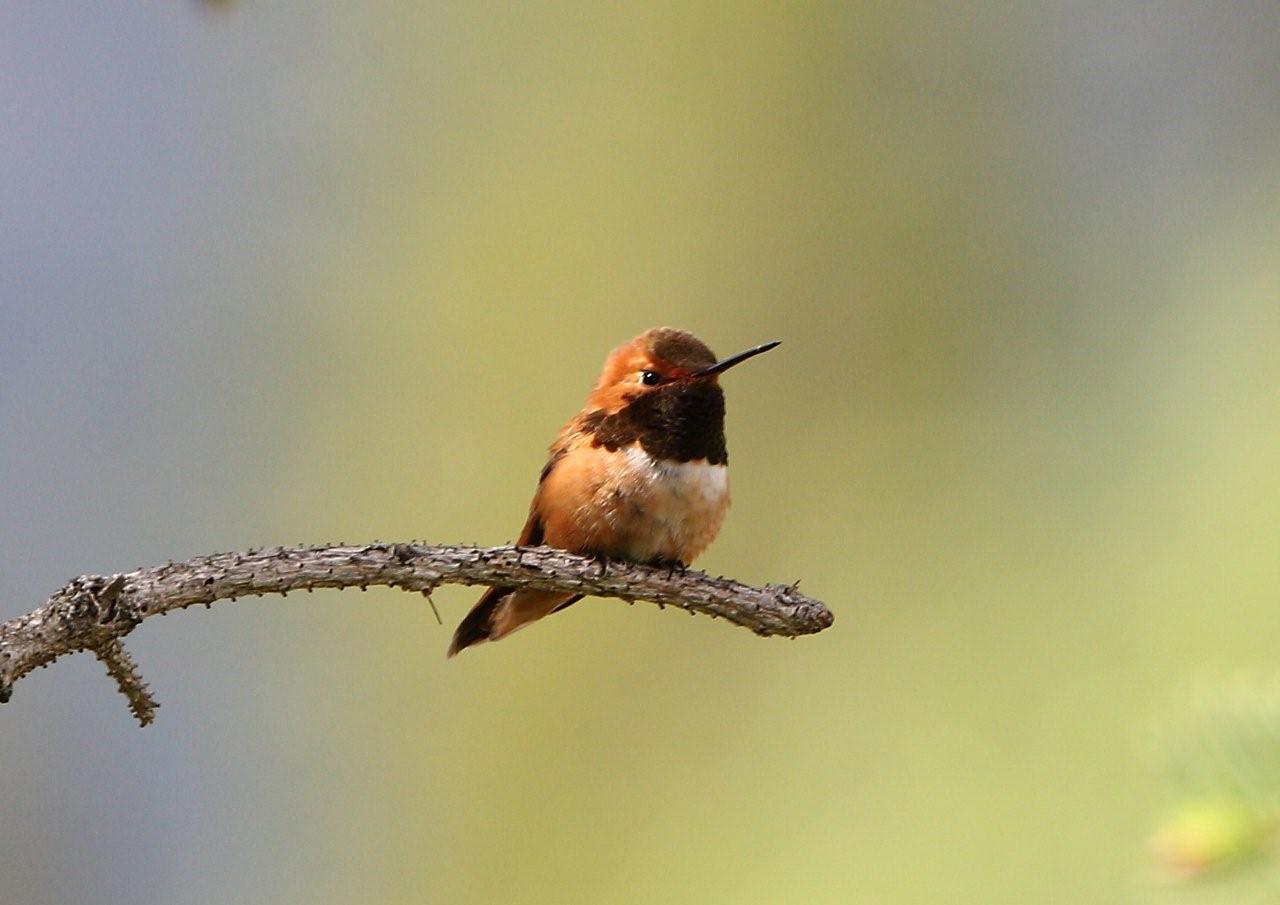
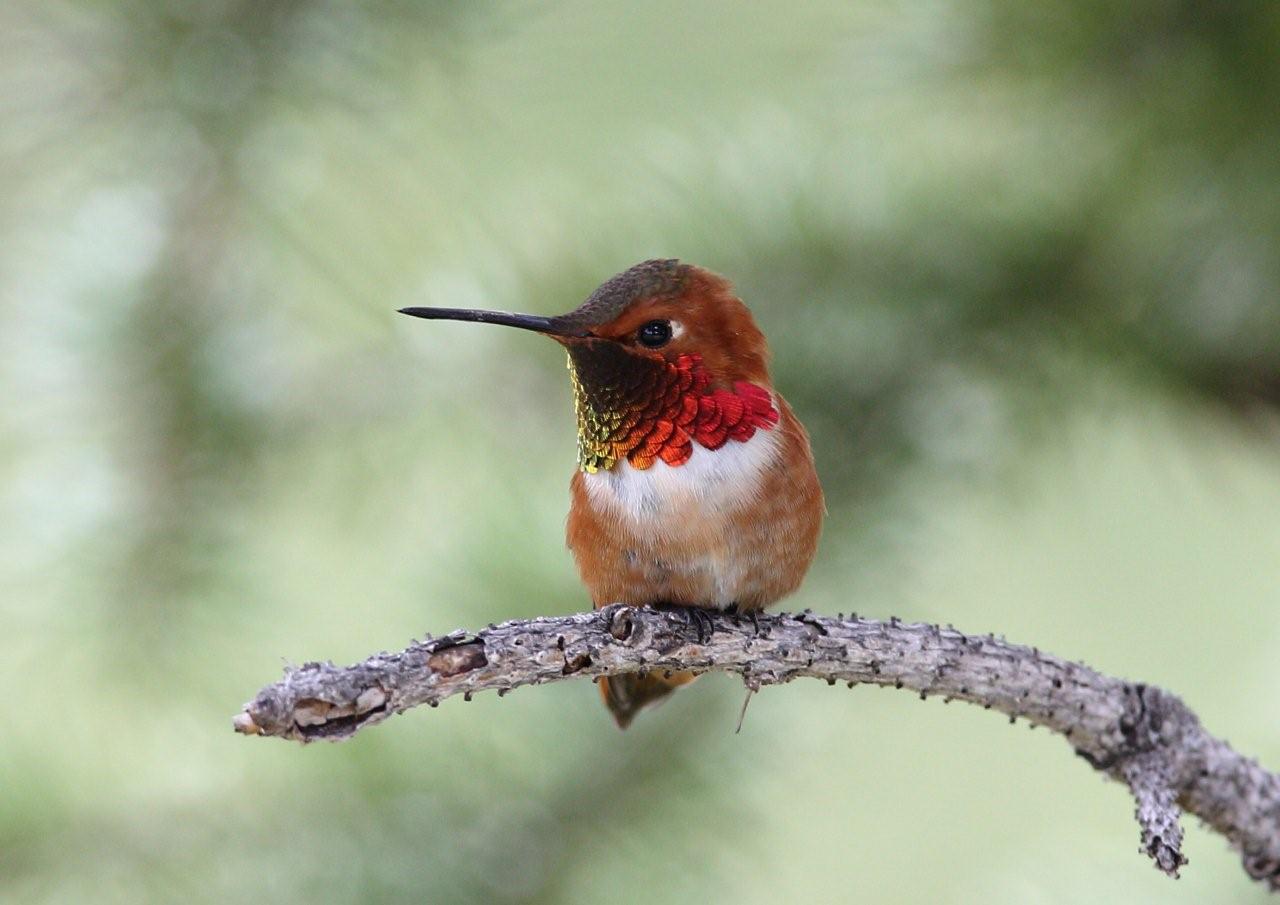
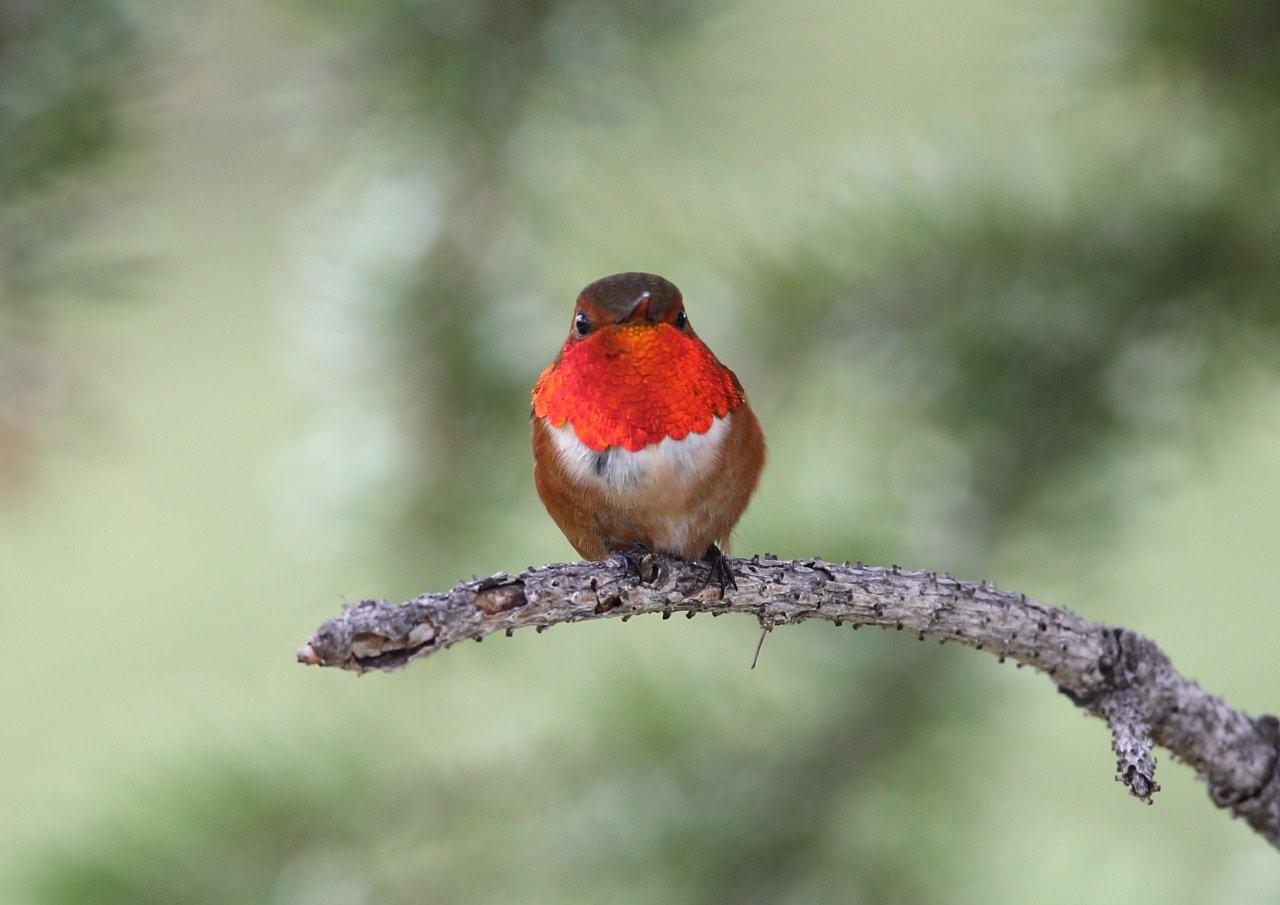
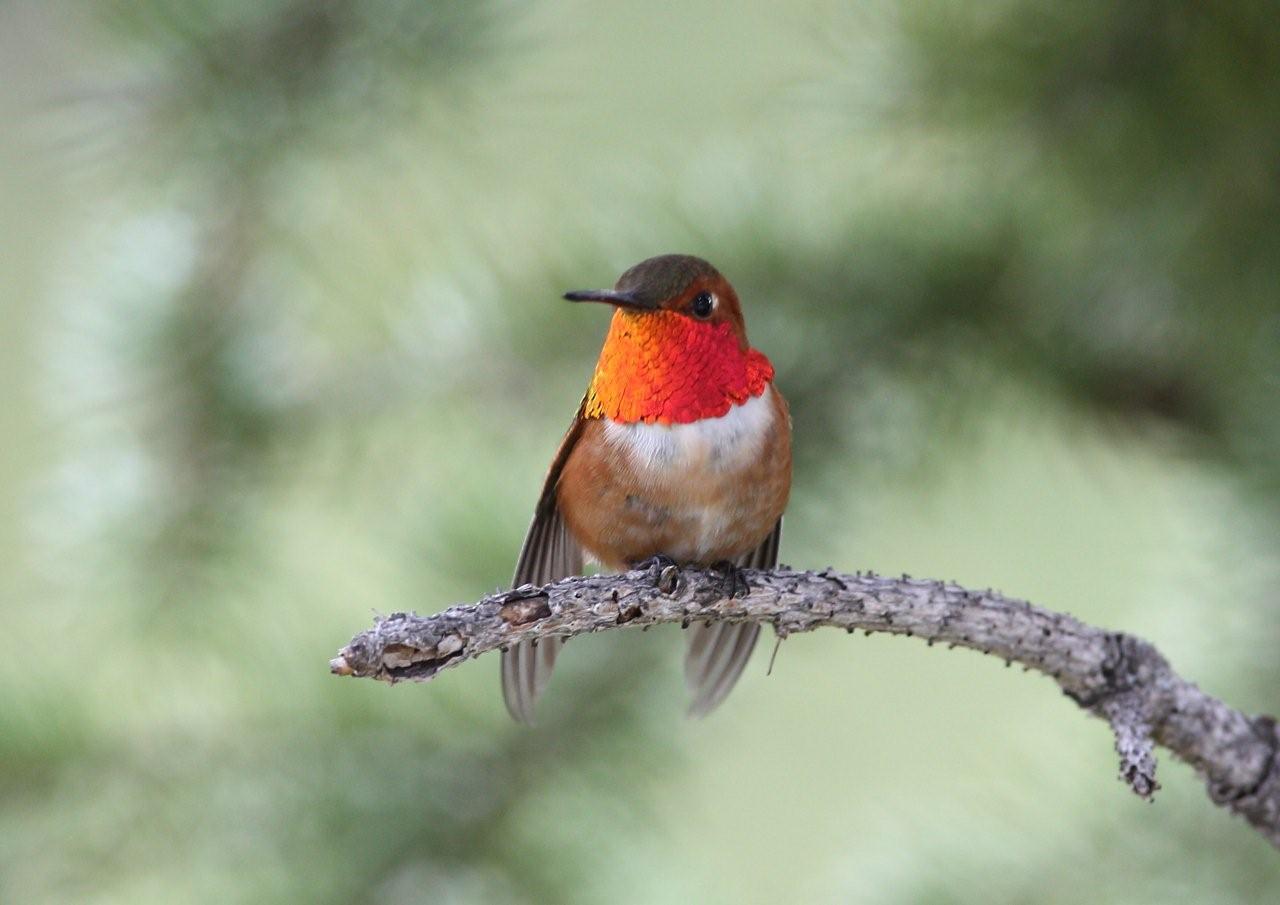
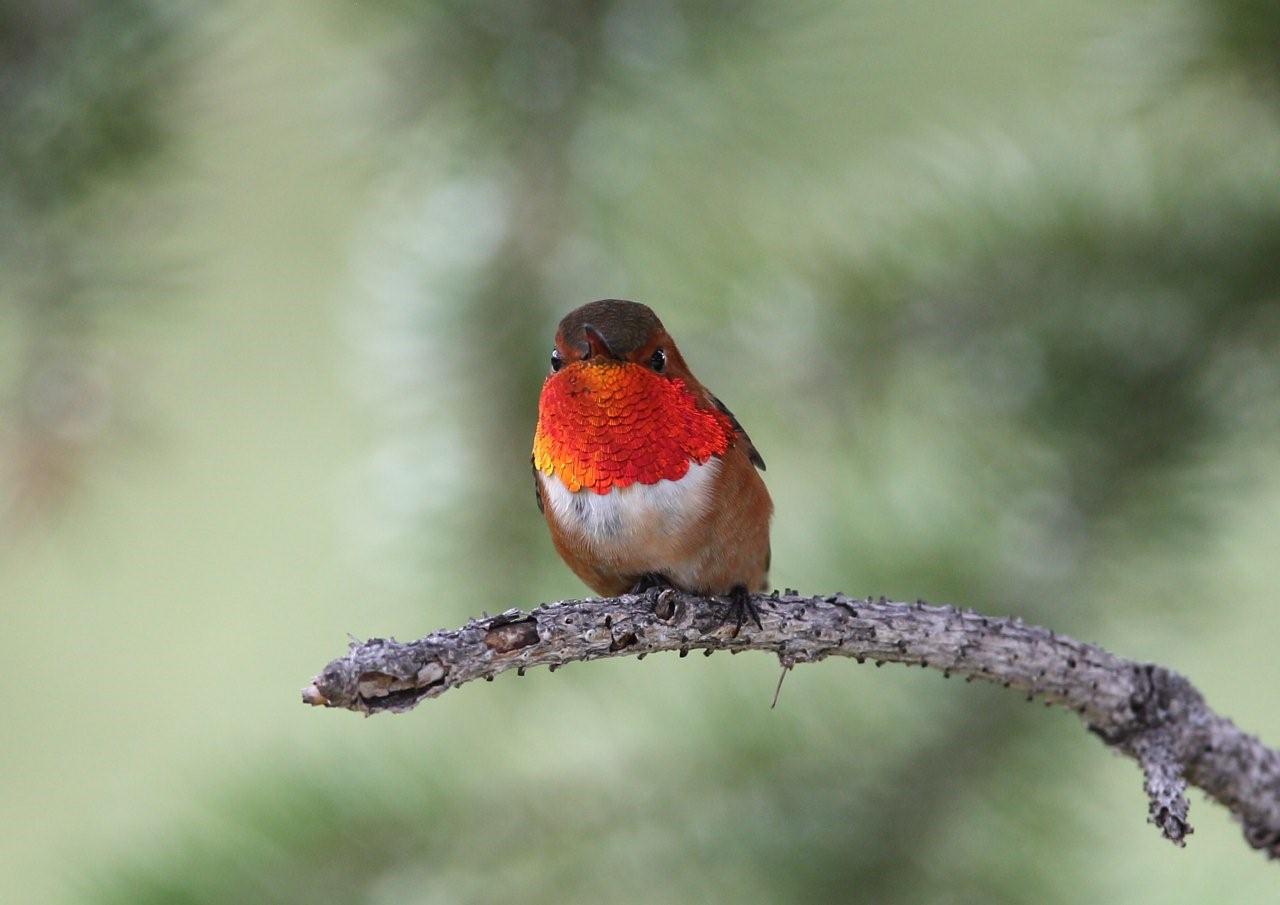
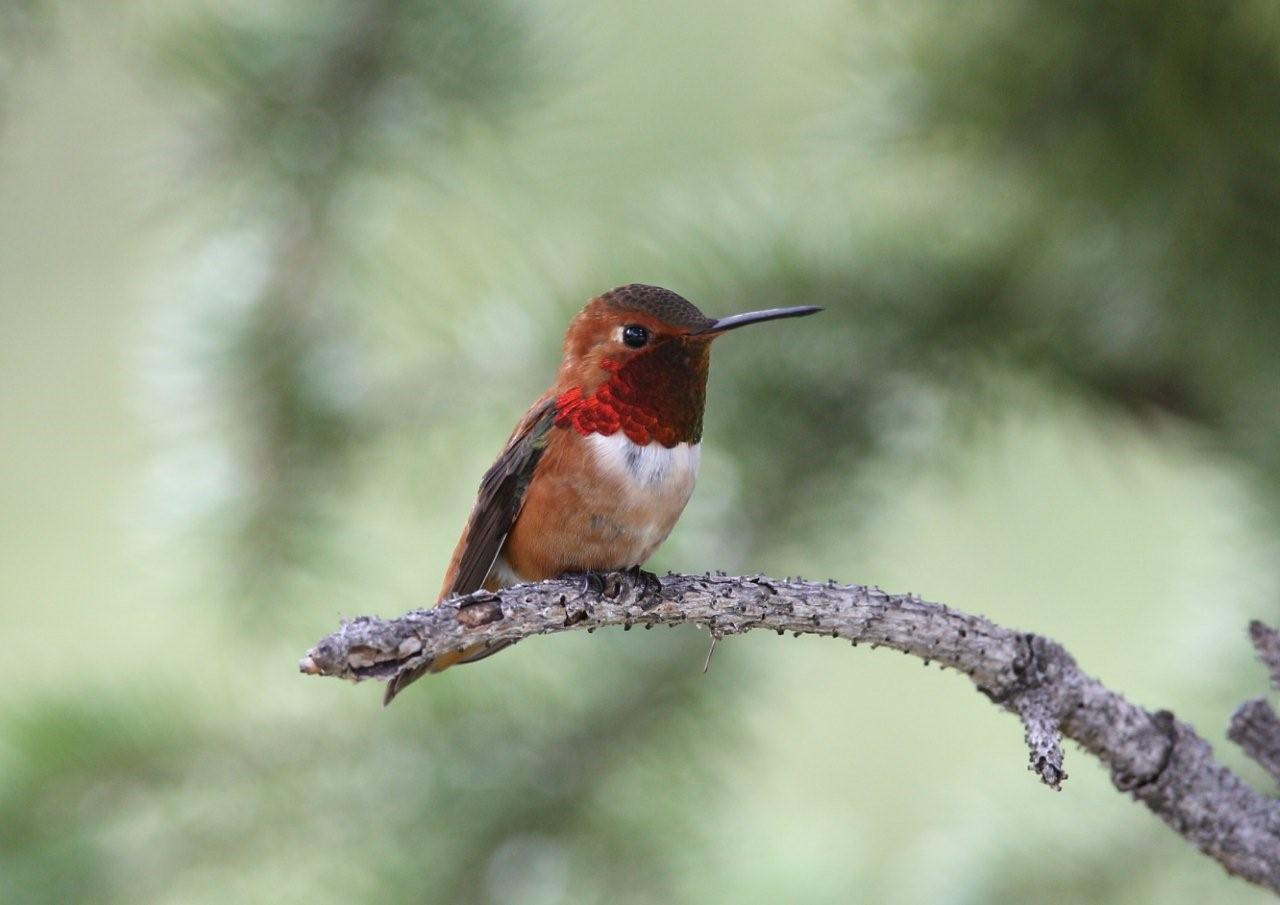
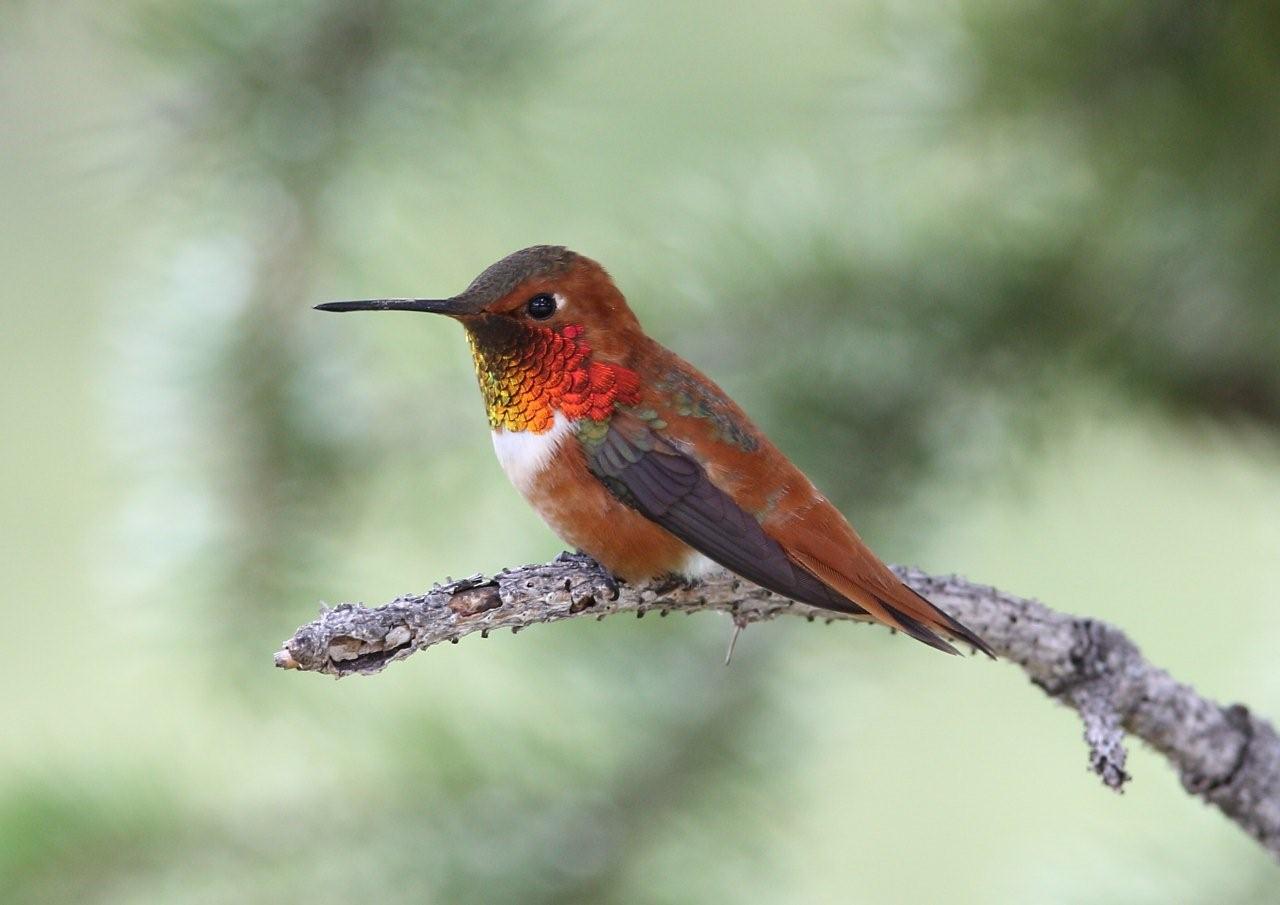
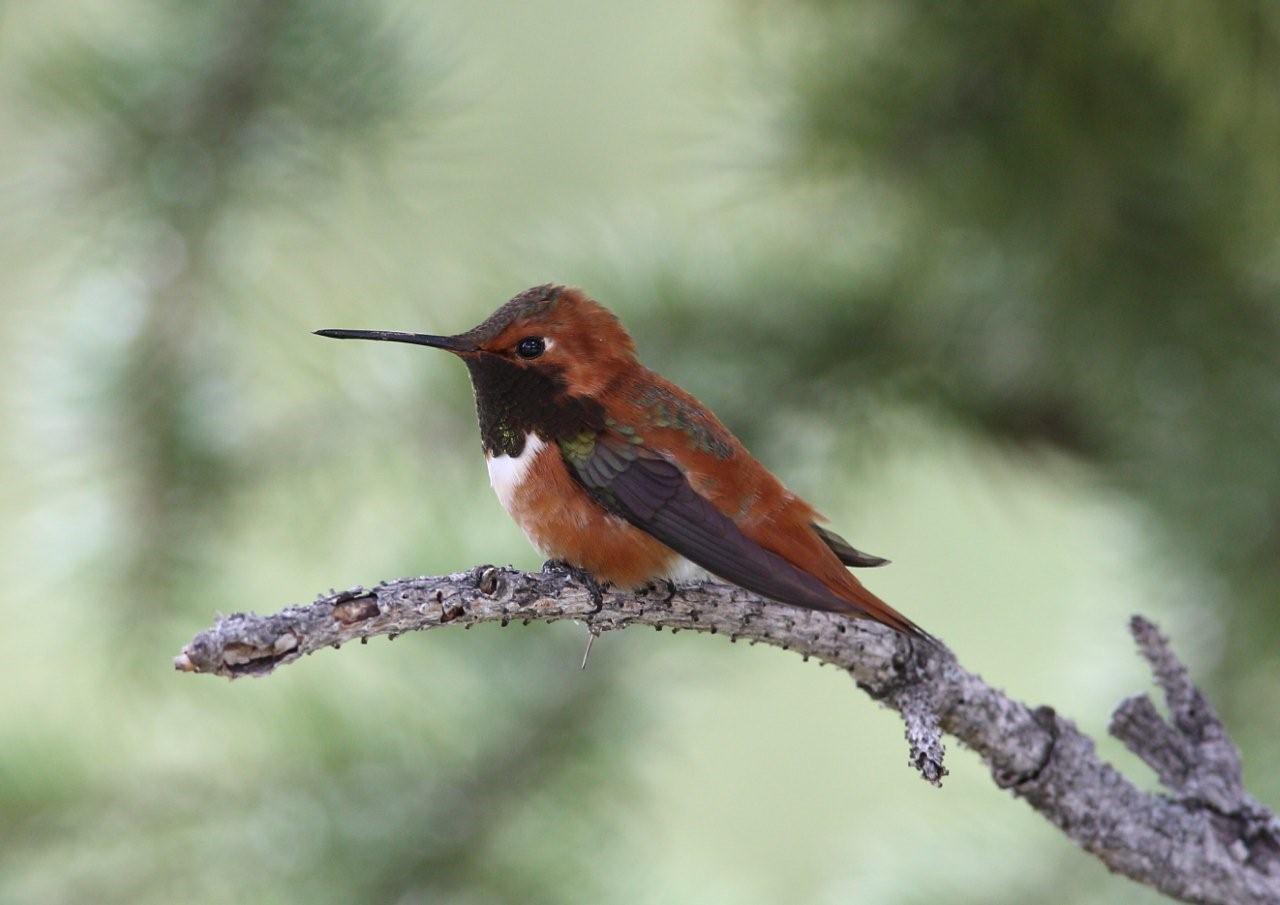
Wednesday Wings: Rufous Hummingbird

Rob English took these amazing pictures of a male Rufous Hummingbird southwest of town in late June.

Rare Bird Alert Calgary: Aug 6

Have you seen an unusual bird in Calgary?

If it is on this Reportable_Birds (PDF), please report it to the Nature Calgary Rare Bird Alert line at 403 221-4519 and leave a message after the beep at the end of the recording. If you would like some help with species identification, email us at birdscalgary@gmail.com.  To report injured wildlife call the Calgary Wildlife Rehabilitation Society at 403 239-2488, or the Alberta Institute for Wildlife Conservation at 403 946-2361.

Compiled by Terry Korolyk

Aug 2:
LOGGERHEAD SHRIKE (2) SW of Linden, Twn Rd 302 on Rnge Rd 260, Corinne Griffin.

Aug 4:
RED PHALAROPE, 4 juveniles in a flock of 400-500 RED-NECKED PHALAROPES, BrantHutterite Colony Slough, W of Hwy 804, Tony Timmons, Al Borgardt, Howard Heffler.
CLARKE’S GREBE, 1 at Basin 1 Frank Lake, and 1 with 2 young at Basin 2, TT, AB, HH.
PEREGRINE FALCON, Basin 2 as above.
PEREGRINE FALCON at the lookout, Brown-Lowery PP, Andrew Hart and CFNS Field Trip.

Aug 5:
RED PHALAROPE, 1 juveniles in a large mixed flock of shorebirds, in a slough on 304 St SE, 2 km S of Hwy 552, Terry Korolyk.
WESTERN SANDPIPER, juvenile, as above.
WESTERN SANDPIPER, SANDERLING, HUDSONIAN GODWIT (5) at Weed Lake, Langdon ,TK.

The next scheduled update of the Bird Alert is on Thursday Aug 9.

Travel Tuesday – The Many Faces of Frank Lake

Posted by Dan Arndt

Frank Lake has been one of my absolute favourite standby birding areas since I started seriously committing myself to the hobby. It’s been a little over a year now, and I must have visited the lake at least twenty times or so, in all seasons. Winter, Spring, Summer, and Autumn, though I’ll admit, I missed out on some great birds down there last fall as I was finishing up my degree, this year will be a very different story!

While shorebirds and waterfowl are the primary draw, sparrows, wrens, falcons, hawks, and even owls are also regularly seen down there.

Frank Lake is located about an hour south of Calgary, and east of High River on Highway 23. 2012 marks the 60th year of activity at Frank Lake by Ducks Unlimited Canada, and is considered one of almost six hundred of Canada’s Important Bird Areas, and you can find a ton of useful information about Frank Lake (and other Ducks Unlimited projects in Alberta) at the Ducks Unlimited website.

The areas most visited by birders are detailed in the map below, with Basin 1 being by far the most popular location, with a blind, driving loop, and water outflow which provides open water even in the coldest winter months.

Frank Lake Map

Frank Lake Map

Winter –

Horned Lark

Horned Lark – March 2012

Trumpeter Swan

Northern Pintail

Northern Pintail – March 2012
In late winter/early spring, these Northern Pintail are some of the first migrants back at Frank Lake.

Spring – It’s hard to gauge when winter ends and spring begins out at Frank Lake, as it sometimes seems that the water will thaw completely overnight… but the arrival of some of these favourites is a good indication.

White-faced Ibis

White-faced Ibis – May 2012
Probably my absolutely favourite bird at Frank Lake.

Eared Grebe

Eared Grebe – May 2012
These beautiful little divers can be found at Frank Lake in the hundreds in early spring.

Northern Shoveler

Northern Shoveler – May 2012

Red-tailed Hawk

Red-tailed Hawk – May 2012
A little more white in this one than usual, another of the predators that patrols the lake.

Summer –

Northern Harrier

One of the more common birds of prey at Frank Lake are the always stunning Red-tailed Hawk.

Black-crowned Night Heron

Black-crowned Night Heron – July 2012
Less commonly found at Basin 1, almost every summer trip I’ve taken to Basin 3 has turned up at least Black-crowned Night Heron.

Wilson's Phalarope

Wilson’s Phalarope – June 2011
A regularly seen species at Frank Lake, they often nest around the shores of the southern basins.

Marsh Wren

Marsh Wren – July 2012
My lifer Marsh Wren was found near the blind at Basin 1 of Frank Lake.

Willet

Willet – July 2012
Another of the great summer resident shorebirds at the lake.

Long-billed Curlew

Long-billed Curlew – July 2012
By midsummer, some of the earliest southern migrants begin to make their appearance around the lake.

Autumn –

Black-bellied Plover

Black-bellied Plover – September 2011
One of the many southbound shorebirds that stop over at Frank Lake on their fall migration.