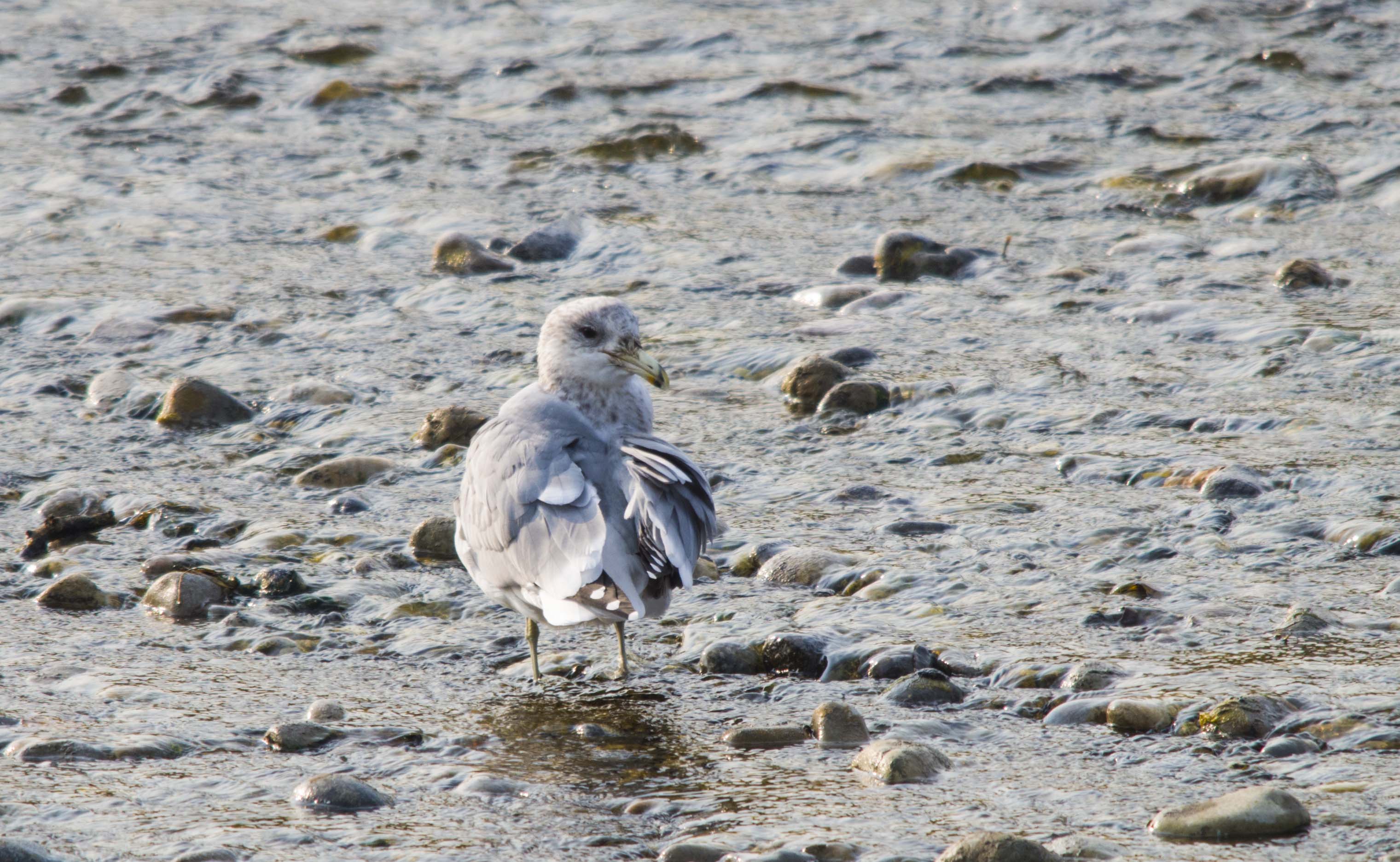
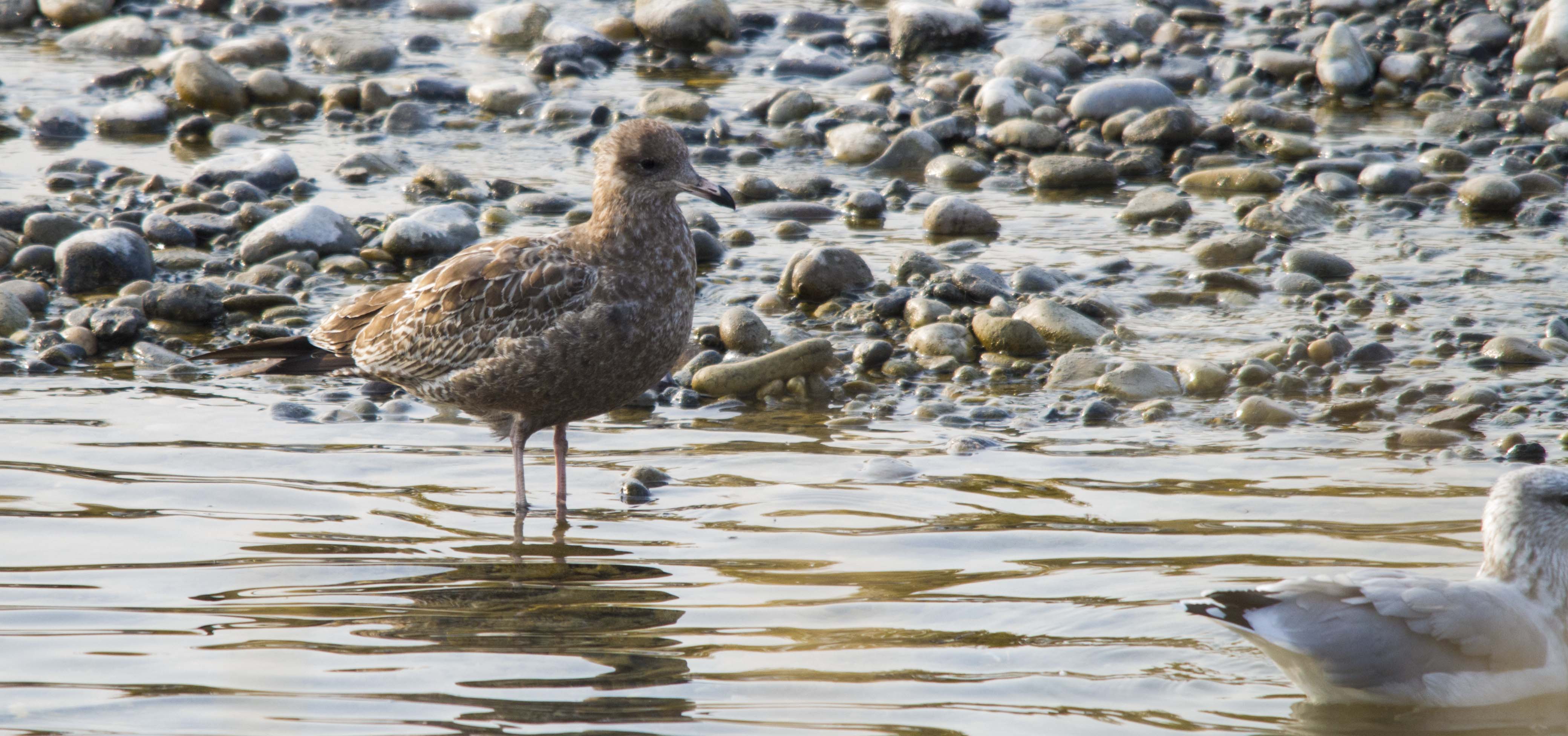
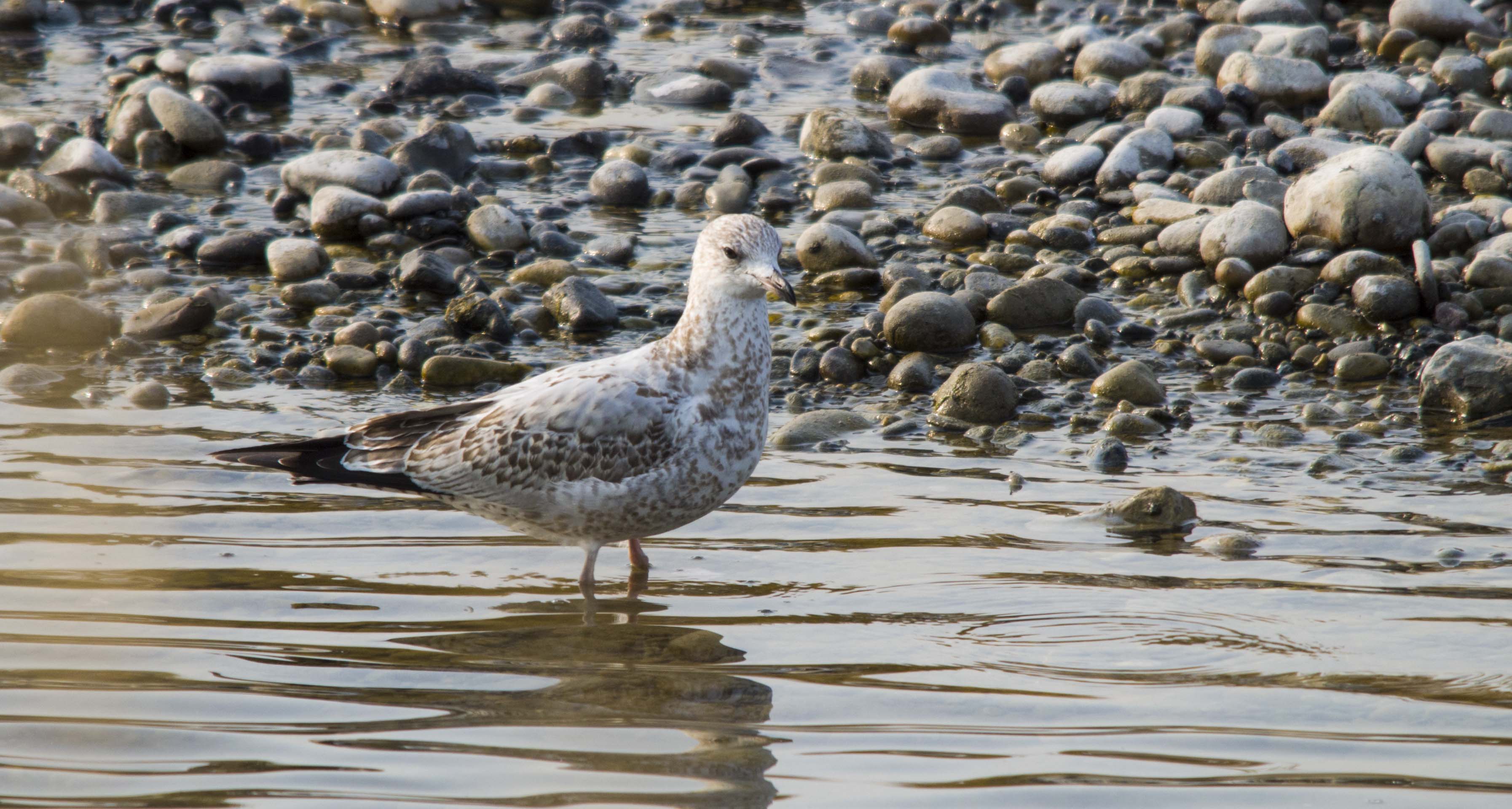
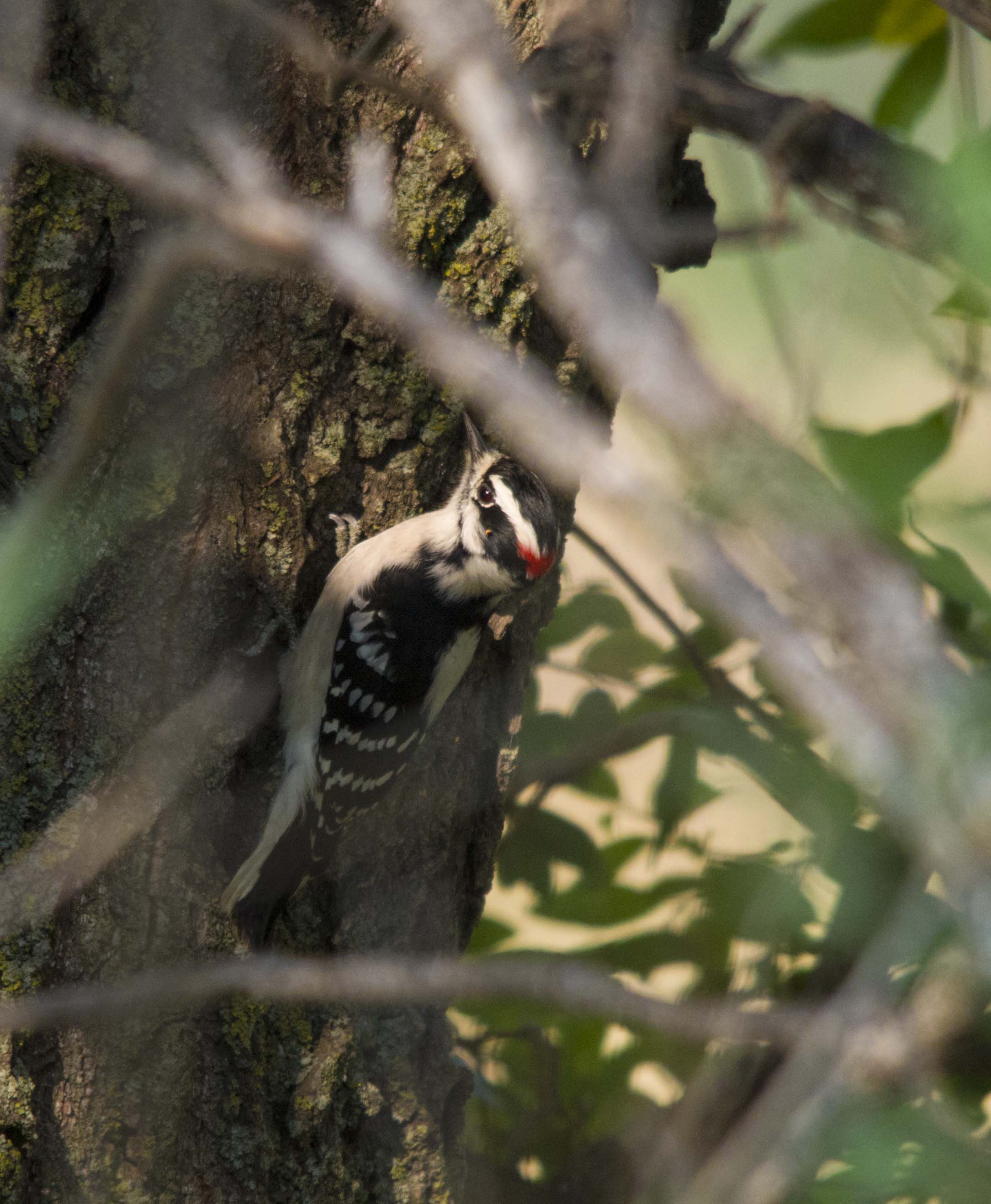
Friends of Fish Creek Autumn Birding Course begins again – Week 2

Posted by Dan Arndt


This fall, Bob Lefebvre and I are running one of the Sunday morning groups this year, and while this is the second week for the group, it’s my first week back from vacation.


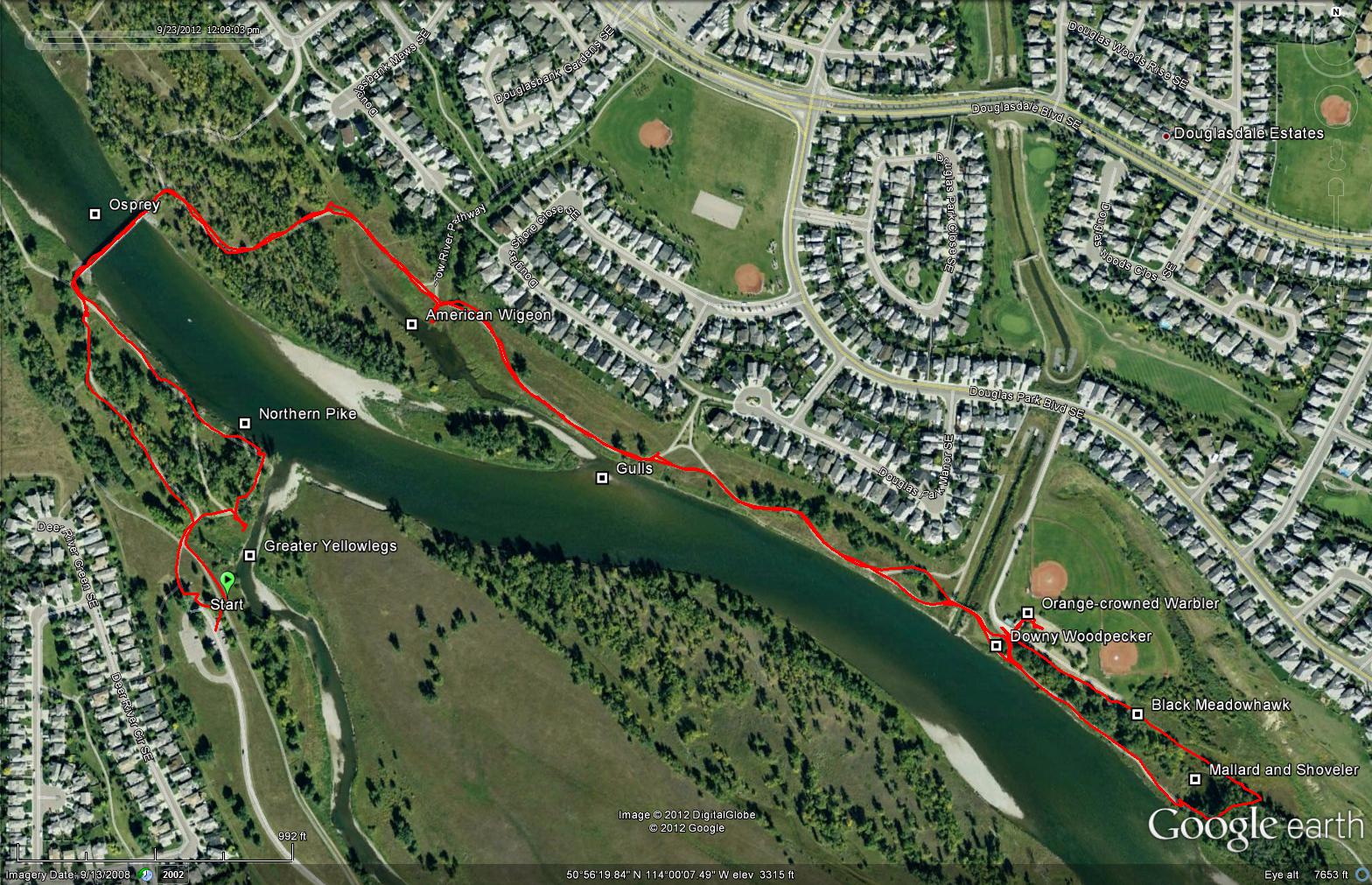
Lafarge Meadows, one of the locations I always am finding new birds at, was our location for the day, and in our 5.75 km walk up and down the river bank, dodging golf carts and buses, we managed to see a pretty decent number of species. The annotated map shows our general route, as we headed from the Boat Launch, clockwise following the river, then back north along the paved path.

Our Route

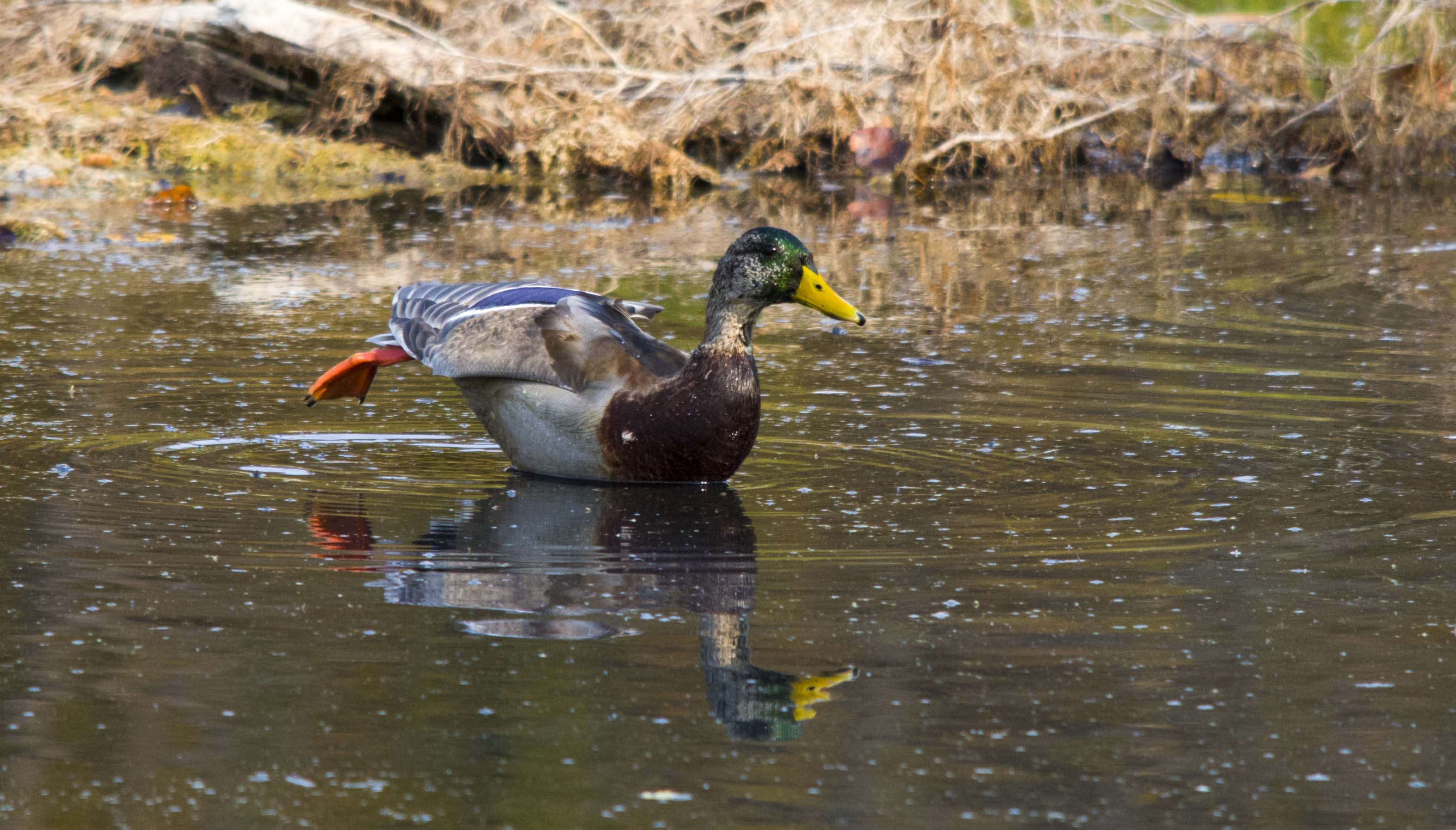
On the ponds at the north end, we were given good close looks at a Great Blue Heron, seen here giving a brief lecture to some unruly Mallards that had taken over its roost. It flushed them away, or at least attempted to, before going back to its business of catching its breakfast.

Great Blue Heron giving a lecture

Attempting to frighten off the surly Mallards

Soon the heron realizes the futility of its ways and goes back to fishing.

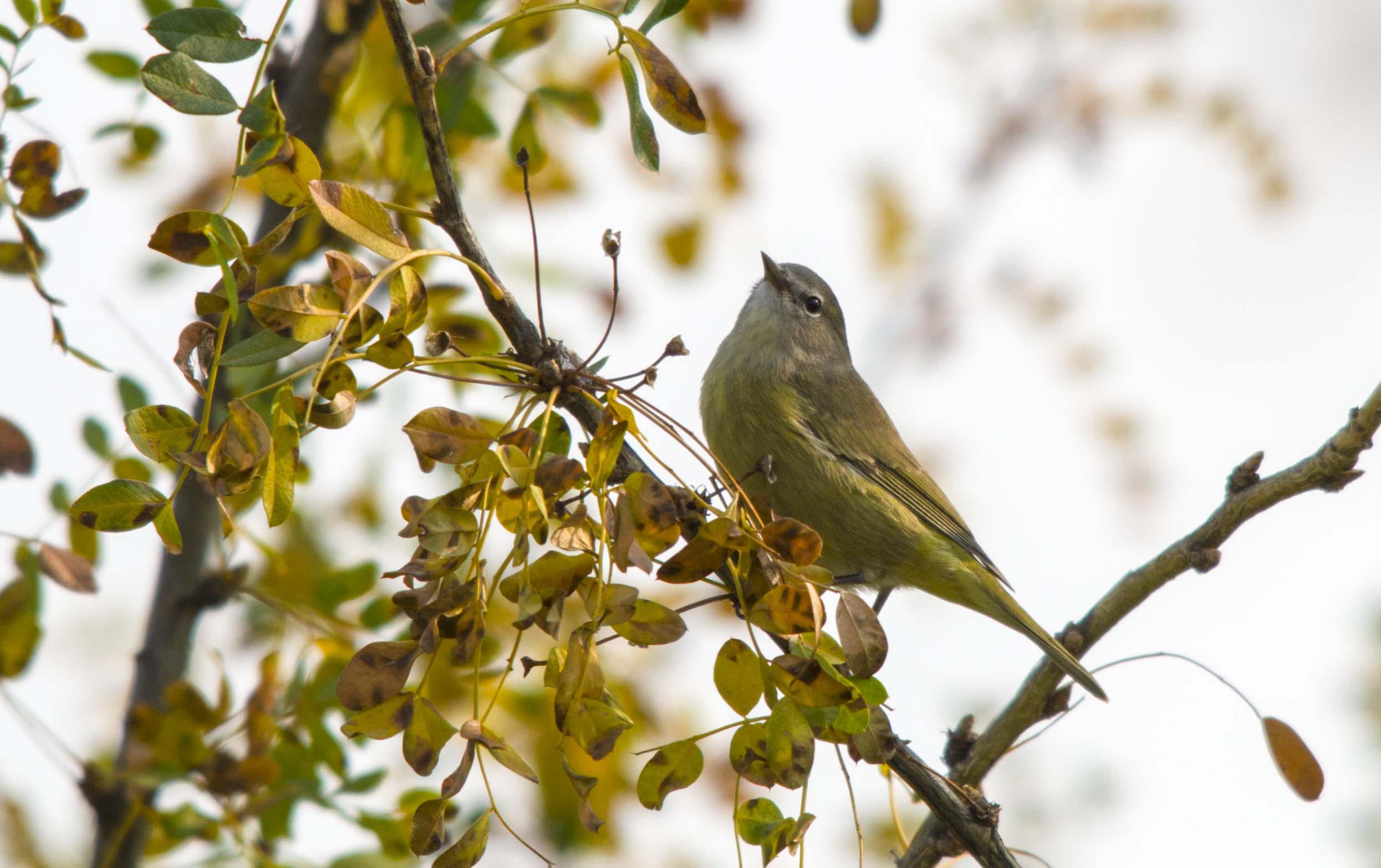
As we looked over the pond, we were briefly interrupted by a small group of migrants, including Common Yellowthroat, Orange-crowned Warblers, and a few Lincoln’s Sparrows, before we looked back up over the pond to see some familiar faces (or familiar bills, perhaps?) The always entertaining Bufflehead, ever-present Lesser Scaup, and a lone American Wigeon even  made an appearance.


Bufflehead

Lesser Scaup

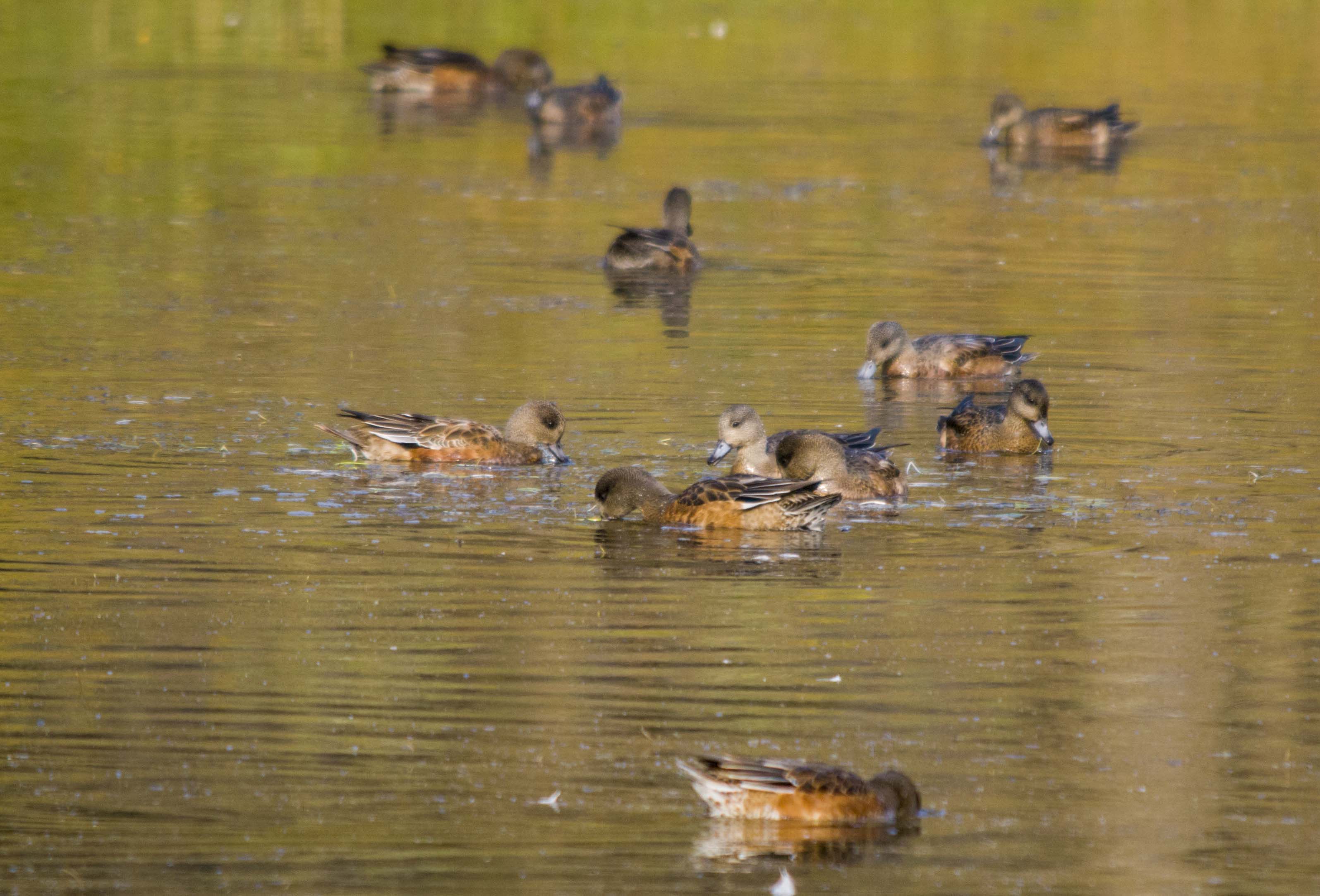
American Wigeon

American Wigeon

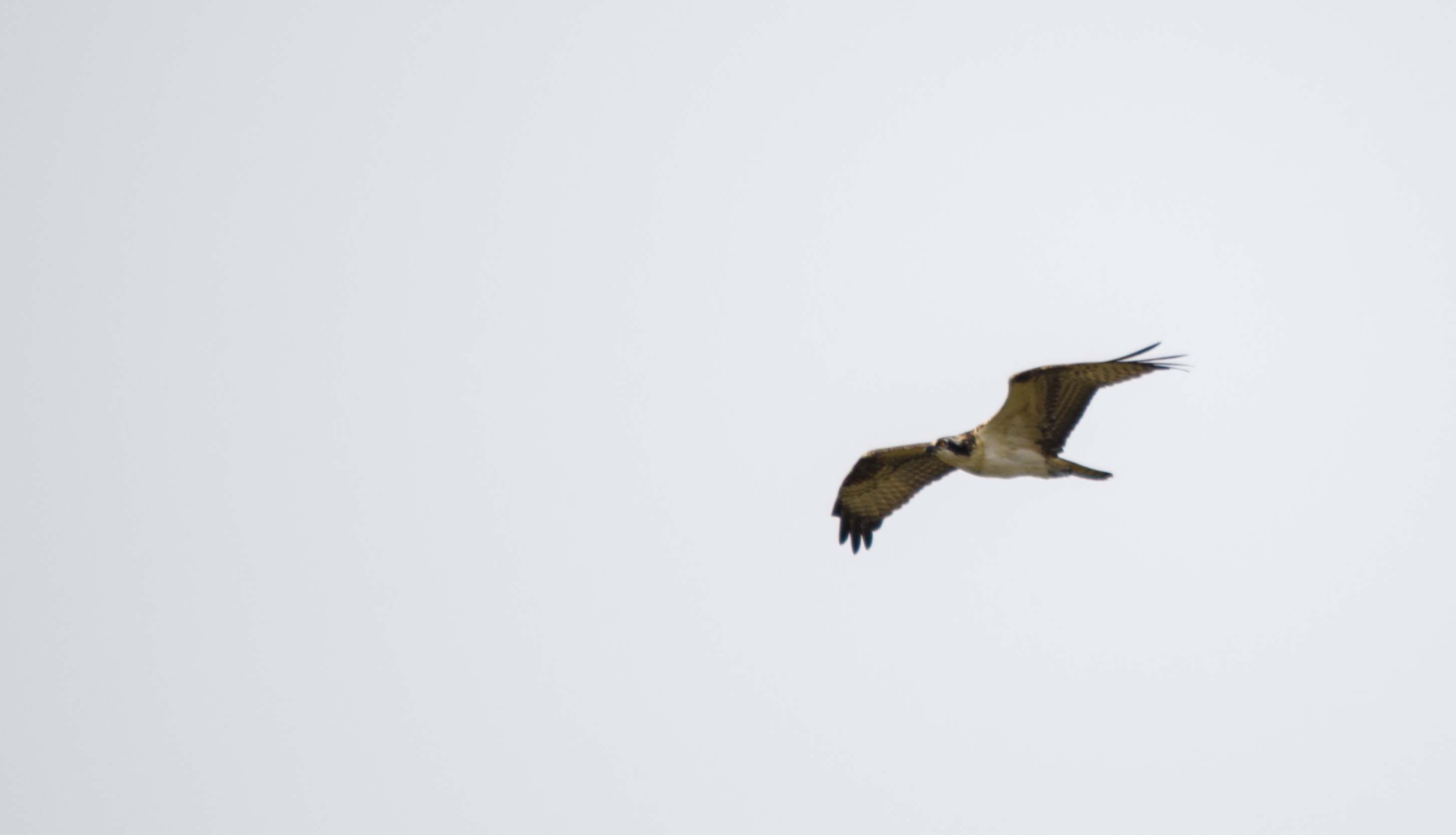
As we trekked southward, into the fray with golf carts whizzing by us and the noise of what seemed like hundreds of visitors to some other festivities in the park, we veered off toward the river, where we saw no small number of Double-crested Cormorants, Lesser Yellowlegs, and even at least two Osprey, hunting for fish over the Bow River.

Double-crested Cormorant

Double-crested Cormorant

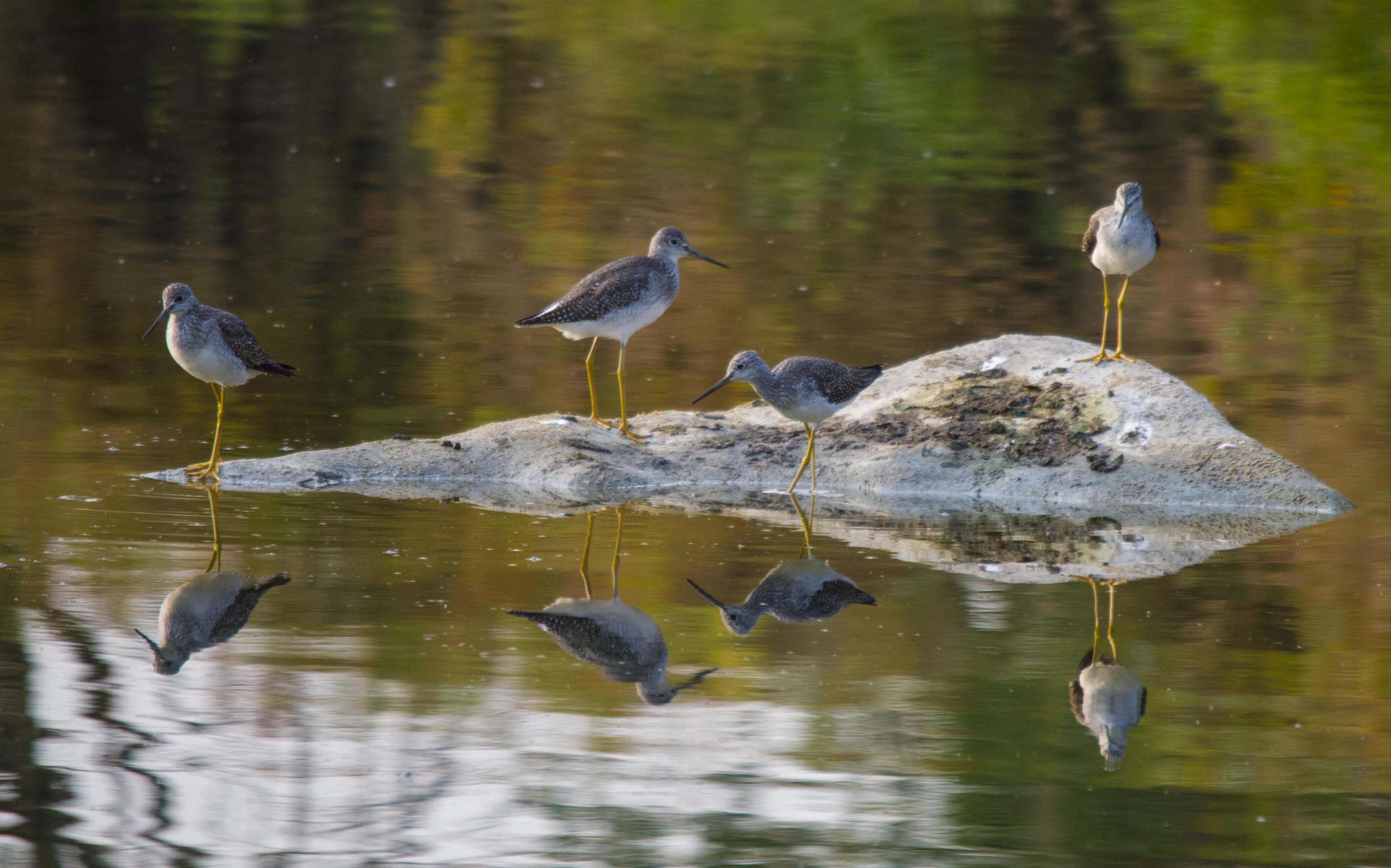
Lesser Yellowlegs

Lesser Yellowlegs

Osprey

Osprey

Even deeper into the brush and further from the trail we happened across a few more warblers in the trees, including this Yellow-rumped Warbler, and a pair of House Wrens angrily chipping away at us.

Yellow-rumped Warbler

Yellow-rumped Warbler

While we tend to focus on the birds on the blog, we all have a soft spot for butterflies, and this Milberts Tortoiseshell that posed quite nicely for everyone was no exception. It also marked the beginning of our trek back to the north, with the sun at our backs.

Milberts Tortoiseshell

Milberts Tortoiseshell

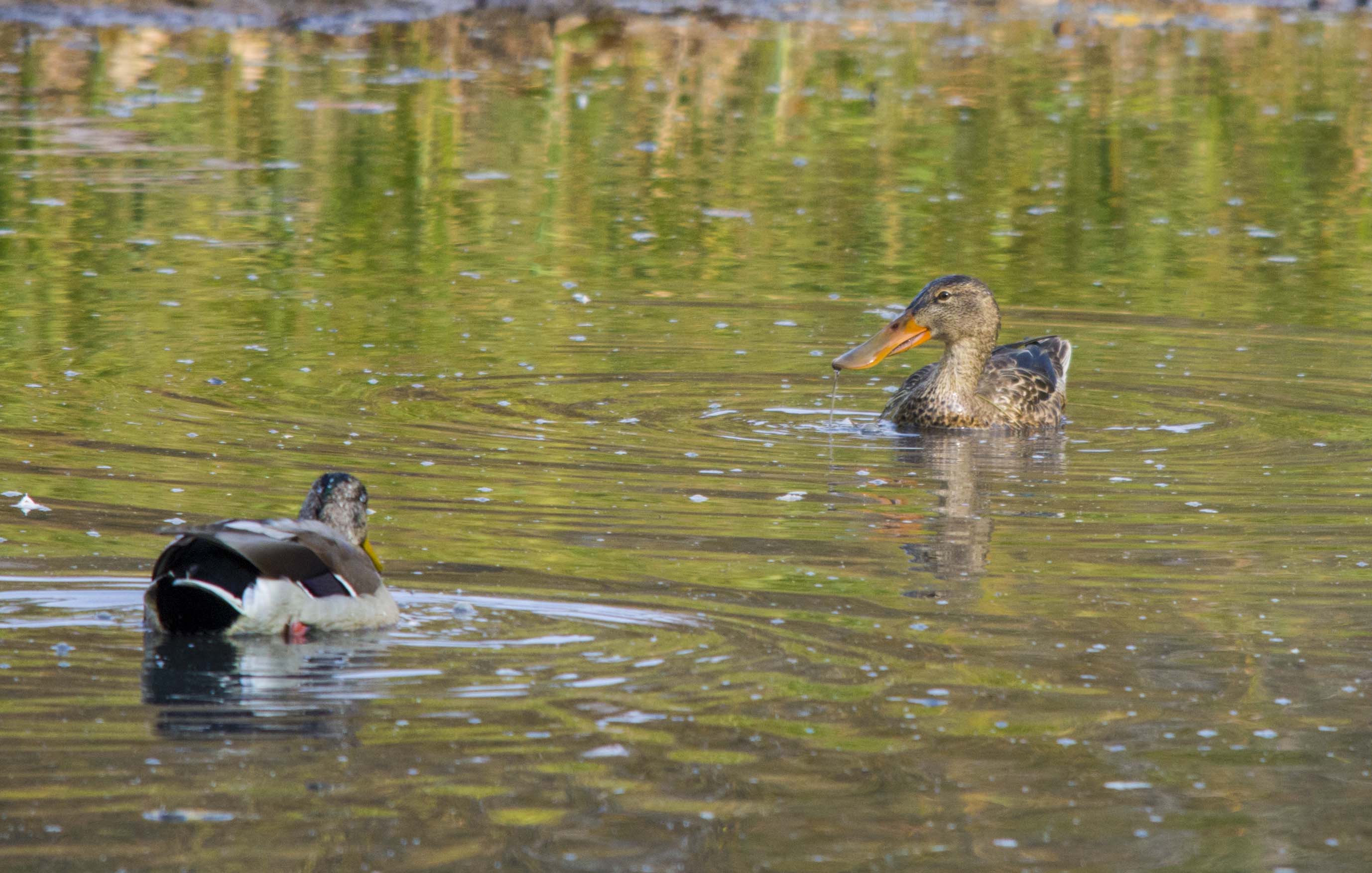
As we were once again inundated with the golf carts and busy pathway, we kept our heads clear and our goals in sight, checking the ponds and sloughs on each side of the path as we went, and we turned up quite a few nice surprises. Each of them was more striking, with the Pied-billed Grebe surfacing now and again in an algae-choked pond, a pair of juvenile Ruddy Ducks in amongst the American Coots, and another Green-winged Teal flocking in with some more precocious Mallards!

Ruddy Duck

Ruddy Duck

Green-winged Teal

Green-winged Teal

Pied-billed Grebe

Pied-billed Grebe

Finally, as the finish line was in sight and our long walk had ended, we found ourselves staring long and hard at this intrepid Cooper’s Hawk, soaring on the thermals in search of its next meal.

Cooper's Hawk

Cooper’s Hawk

Next week: Mallard Point!

Q & A: Odd-looking Birds on the Light Standards

By Bob Lefebvre

Here at the Birds Calgary blog, we receive a lot of questions from bird-friendly folks throughout the province. We are sharing some of them with our readers as just another way to spread bird knowledge. 

If you have a question, email us at birdscalgary@gmail.com.  We may post your question and our answer.  We won’t print your name or email address without permission.

Here’s a question we received last September, but which is relevant again this year.

Q:  Hi.  There are birds that sit on the light standards on 16th Ave NE over the tracks alongside Deerfoot Trail.  They appear to be sleeping when I drive by at 8 AM, I am curious to know what they are.  There have been 2 or 3 on the westbound side and usually one on the eastbound side.  Thanks.

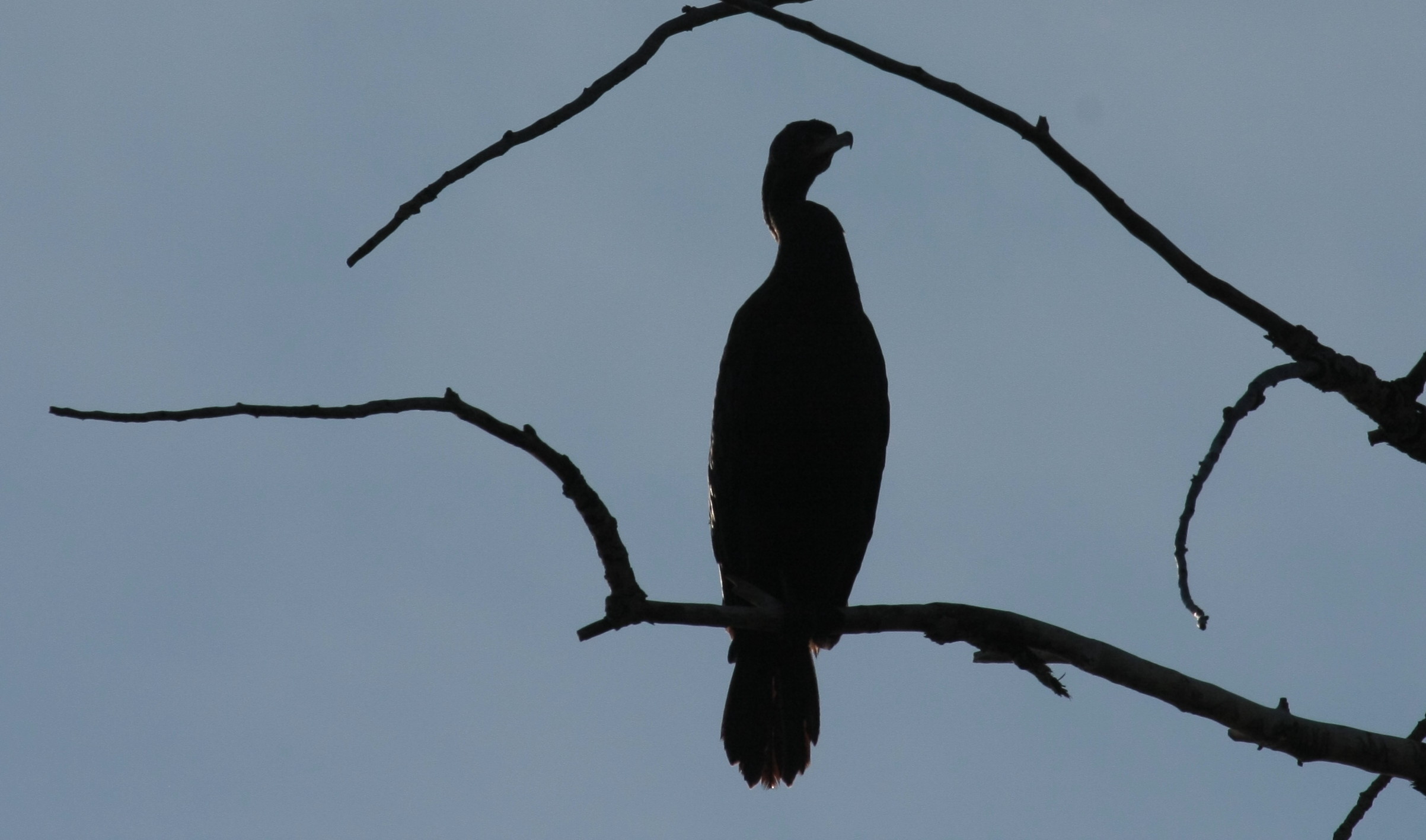
A: It’s hard to say what they are without some idea of the size, shape, or colour of the birds.  But I’m familiar with the area, and I think you might be referring to the “odd” birds that are sometimes seen there, which look long, slim, long-necked, and black.  If so, those are Double-crested Cormorants.  Their silhouette looks like this (photo taken in Fish Creek Park last week [September 2011]):

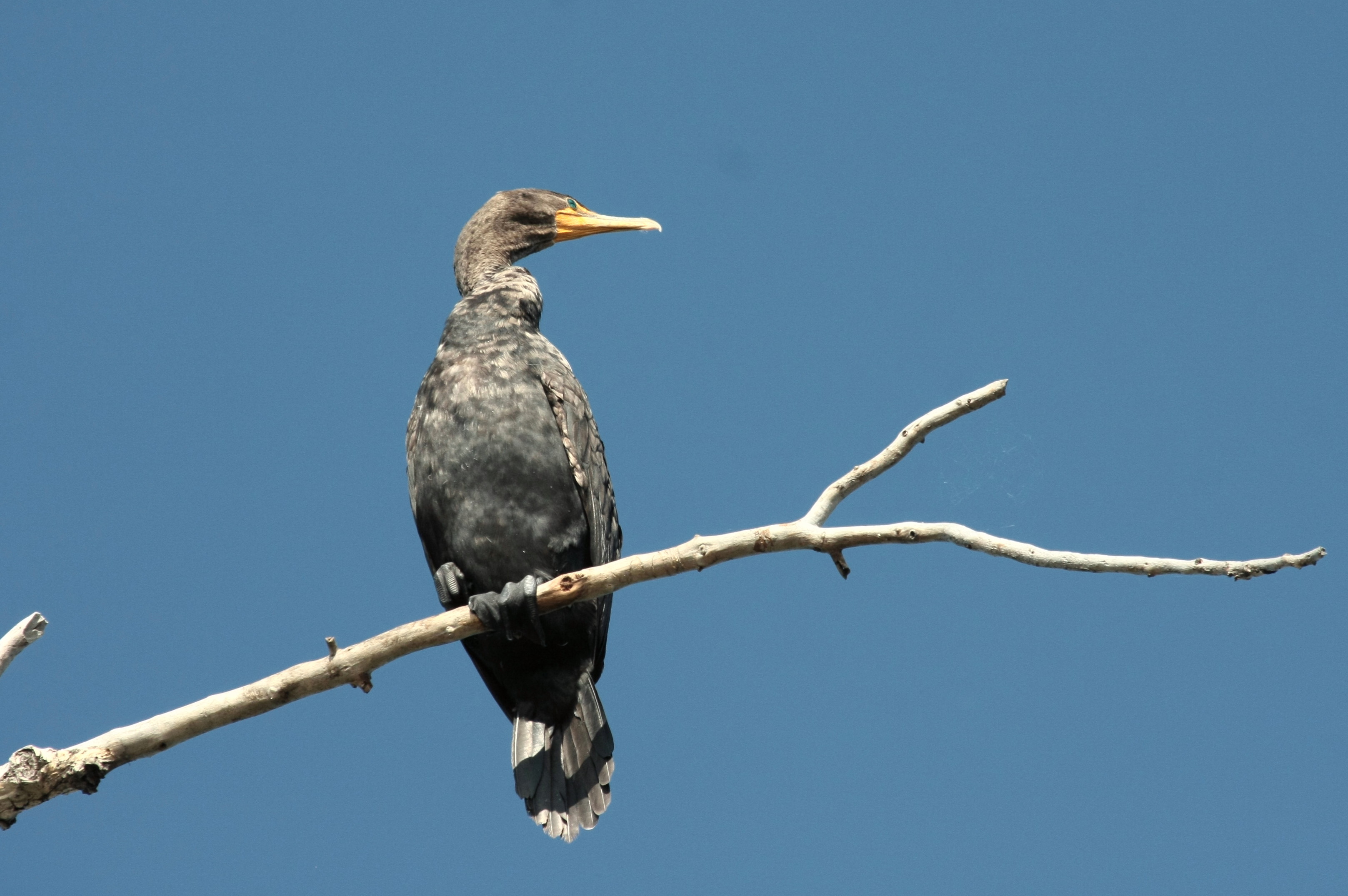
In better light they look like this, also taken last week [September 2011]:

Double-crested Cormorants are waterbirds that dive for fish and crustaceans.  They are often seen holding their wings out to dry off after a dive.  There are quite a few in the area of the weir on the Bow River, but they will soon be heading south.

Q: It’s definitely the Cormorants – last year there was just one, but now there are 2 or 3 on the westbound side and one on the eastbound side of 16th. They are always there in the morning but not always on my way home at 4:30. It’s quite high up so I can’t see much details from the car but definitely have the yellow beak and dark feathers.

(Note: In the past three weeks I have been seeing up to 35 cormorants in the area of Harvie Passage (the old weir on the Bow River) often perched in trees or on light standards along Deerfoot Trail.)

Rare Bird Alert Calgary: Sept 13

Have you seen an unusual bird in Calgary?

If it is on this Reportable_Birds (PDF), please report it to the Nature Calgary Rare Bird Alert line at 403 221-4519 and leave a message after the beep at the end of the recording. If you would like some help with species identification, email us at birdscalgary@gmail.com.  To report injured wildlife call the Calgary Wildlife Rehabilitation Society at 403 239-2488, or the Alberta Institute for Wildlife Conservation at 403 946-2361.

Compiled by Terry Korolyk

SEP 9

BROAD-WINGED HAWK – seen at Inglewood Bird Sanctuary by Greg Meyer
WILSON’S WARBLER – as above, also one seen in Lake Bonavista by Ann Simpson

SEP 10

BROAD-WINGED HAWK – as above
TENNESSEE WARBLER – Richmond area of Calgary, Phil Quinn
BLACKPOLL WARBLER – immature, just north of Scarboro Ave, PQ

SEP 12

HERRING GULL – 2 adults at Mallard Point, east Fish Creek PP, Terry Korolyk

The next scheduled update of the Bird Alert is on Mon Sep 17.

Rare Bird Alert Calgary: Sept 10

Have you seen an unusual bird in Calgary?

If it is on this Reportable_Birds (PDF), please report it to the Nature Calgary Rare Bird Alert line at 403 221-4519 and leave a message after the beep at the end of the recording. If you would like some help with species identification, email us at birdscalgary@gmail.com.  To report injured wildlife call the Calgary Wildlife Rehabilitation Society at 403 239-2488, or the Alberta Institute for Wildlife Conservation at 403 946-2361.

Compiled by Terry Korolyk

Bird Sightings:

Sept 1-2:
COMMON REDPOLLS at feeder near Willow Park Golf Course, Marilyn Bushell.

Sept 6:
LAPLAND LONGSPUR (9) Nose Hill Park, Bill Wilson.
BROAD-WINGED HAWK, IBS, Gus Yaki with FFCPP.
MAGNOLIA WARBLER, TOWNSEND’S WARBLER, Confederation Pk, BW.
BLACKPOLL WARBLER, OLIVER-SIDED FLYCATCHER (2), IBS, Gus Yaki with FFCPP.

Sept 7:
TOWNSEND’S WARBLER, BLACKPOLL WARBLER, Confederation Pk, BW.
TOWNSEND’S SOLITAIRE, Mallard Pt FCPP, Helga Borgardt.

Sept 8:
LAPLAND LONGSPUR (16) Nose Hill Pk, BW
WESTERN TANAGER (2), Confed. PK, BW.
GREATER WHITE-FRONTED GOOSE, HERRING GULL, IBS, Gus Yaki with FFCPP.
OVENBIRD, IBS, Kingsley Blades.

Sept 9:
GREATER WHITE-FRONTED GOOSE (2) at Third Lake, and 28 at Eagle Lake via Rnge Rd 245 access, Andrew Slater.
RED-TAILED HAWK dark phase immature, Mallard Pt, FCPP, BW.
OREGON DARK-EYED JUNCO, Carburn Pk, BW.
SOLITARY SANDPIPER(9), IBS, Bob Lefebvre with FFCPP.

The next scheduled update of the Bird Alert is on Thursday Sept 13.

Travel Tuesdays – Southeast Alberta Big-ish Day

Posted by Dan Arndt

Alberta has such a wide variety of environments that I’m constantly finding new areas, new regions, and entirely new birds around the province. One area that I have never spent any significant time in was in the south-east corner of the province. In fact, the last time I ventured east of Strathmore was in 2005, when I visited Dinosaur Provincial Park in my under-grad to do some prospecting in some of the private access coulees with a friend of mine working on his Ph. D.

I had hoped to visit Cypress Hills Interprovincial Park this summer, or at least Writing-On-Stone Provincial Park, time got away from me and other priorities came up.  Thankfully, fellow blogger David Pugh, over at “A Calgary Birder” had some free time on his hands and asked me along to visit some spots he had heard good things about.

Our route was planned, and we headed out at just after 4:30 in the morning with plans to visit Kinbrook Island Provincial Park, Many Islands Lake, Cypress Hills, Pakowki Lake, and a few other stops along the way.

We arrived at Kinbrook Island Provincial Park campground at just after sunrise. The sloughs on each side of the road in were buzzing with insects, and a few Yellow-headed Blackbirds as well as the ubiquitous Red-winged Blackbirds were feasting. We managed to spot some early peeps for the day, along with some Spotted Sandpipers, a few Greater and Lesser Yellowlegs, and we even managed to find some Long-billed Dowitchers in the early-morning light.

After a brief drive through the campground listening for warblers, we stopped at the south end to look over the lake. American White Pelicans, hundreds of eclipse plumage ducks, and even a Common Loon were visible from the point, but I think one of the best birds of the day (so far) was this lone Brown Thrasher, who was mixed with a small flock of Yellow-headed Blackbirds feeding on insects beside the road.

Brown Thrasher

Brown Thrasher – My second ever sighting of this impressive bird.

One final stop at the far south end of the campground was a row of low brush along the lake front, which was inhabited by no less than ten Western Kingbirds, the same number of Eastern Kingbirds, some Wilson’s Warblers, and a few other species of flycatchers, like this (seemingly dark) Western Wood-Pewee.

Western Kingbird

Western Kingbird

Western Wood-Pewee

Western Wood-Pewee

Eastern Kingbird

Eastern Kingbird

After a very successful first stop, we moved out and headed further east to Medicine Hat and points eastward. Just outside of Suffield, I spotted what appeared to be a raptor in the field sitting on the ground, presumably dispatching its prey. I hesitated only for a moment, but thought it would be a great photo opportunity, so we turned around to get a closer look. On the second pass, David and I scanned the field like hawks ourselves, until we both, almost simultaneously blurted out “Burrowing Owl!?”. The brakes were applied liberally, and as we both scrambled with our gear, it seemed our sudden stop had spooked a few of them, who flew off in various directions. Two brave holdouts remained, with one coming quite close to inspect us, then returning to the burrow. The other, a juvenile, attempted to hide in the tall grass at the edge of the clearing.

Burrowing Owl

Burrowing Owl – This brave owl inspects the curious trespassers.

Defending the burrow

Can you spot the second owl in this photo?

After spending about a half hour watching these beautiful little owls from a distance, we decided it was time to continue onwards. We rolled through Medicine Hat without incident, spotting many different birds as we drove, but nothing new for the day until we turned north. The terrain was visibly different than even the farmers fields near Calgary, and the birds present were distinctly “prairie” species, unlike those nearby which are a mix of boreal, grasslands, and foothills species. The first major indicator of this was the massive Ferruginous Hawk that we passed as we headed to Many Islands Lake. Sadly, I didn’t get any shots of the bird until it was too far off to distinguish. As we got onto some of the side roads though, we did find a small slough, along with its iron-fisted dictator overseeing its subjects, which included Mallards, Northern Pintails, and Green-winged Teals primarily. The dictator of which I speak is the majestic and impassionate Peregrine Falcon, ruler of these wetlands.

Peregrine Falcon

Always managing to look regal, Peregrine Falcons are one of my favourite raptors.

As we neared Many Islands Lake, the variety of the sparrows was made up of old familiar faces, some less familiar ones, and some brand new ones to both David and I. First, the Savannah Sparrows were numerous, but nowhere near as widespread as the Vesper Sparrows. Topping off the list though were no small number of Lark Buntings, which we were certain were some strange morph of Vesper or Lark Sparrows… turns out we were both dead wrong! Another old familiar face were the many and numerous Horned Larks, always posing perfectly for the camera.

Savannah Sparrow

Savannah Sparrow

Lark Bunting

Lark Bunting

Horned Lark

Horned Lark

And while we tend to focus on the birds we see on our outings, one cannot ignore the sheer number of Pronghorn Antelope at the SE corner of the province. In the span of the day, we saw no less than 40 of these beauties, but none came quite as close as this large male.

Pronghorn Antelope

Pronghorn Antelope

At Many Islands Lake we saw hundreds of ducks, shorebirds, and even managed to separate out a pair of Hudsonian Godwits among the numerous Marbled Godwits out on the islands, along with a few Willets, Greater and Lesser Yellowlegs, and Killdeer. Unfortunately they were too far out, and the sun far too hot, to allow for any acceptable photos. Atmospheric aberration at 500mm on a 30+ degree day is stunningly messy.

From Many Islands Lake, we headed south through Medicine Hat, and decided for a brief stop at Red Rock Coulee, between Medicine Hat and Pakowki Lake, turning up a few more Horned  Larks, Rock Wren, and our first distinctively clear looks at a Lark Sparrow.

Rock Wren

Rock Wren

Vesper Sparrow

Vesper Sparrow

Between Red Rock Coulee and Pakowki Lake, we stopped at a few drainage ditches that ran under the road through culverts, and came across a pair of Loggerhead Shrike. Another bonus bird for the day!

Loggerhead Shrike

Loggerhead Shrike

Pakowki Lake gave us good views of Pectoral, Baird’s, and even a lone Stilt Sandpiper. It was a fortunate find, but not so fortunate for the bird who appeared to be suffering from a broken wing. Out on the lake further we spotted Western Grebes, American Avocets, many more Least and Semipalmated Sandpipers, Killdeer, and Willets.

Stilt Sandpiper

Stilt Sandpiper

Leaving Pakowki Lake, we stopped in at Foremost to fill up for gas and spotted a kettle of Common Nighthawks flying overhead. I had no idea they grouped up into such large groups to migrate. David and I estimated at least 40 individuals flying overhead, and at least half that many had already passed before I looked up to investigate that odd “PEENT!” call that they’re so well known for.

We finished the day at Frank Lake in the fading light, adding Clark’s Grebe, Great-horned Owl, and a few others to our list before calling it a day and heading home. In total, our species list came to 104 for the day, with a handful of lifers for the both of us, and many great new places to explore!

Rare Bird Alert Calgary: Sept 6

Have you seen an unusual bird in Calgary?

If it is on this Reportable_Birds (PDF), please report it to the Nature Calgary Rare Bird Alert line at 403 221-4519 and leave a message after the beep at the end of the recording. If you would like some help with species identification, email us at birdscalgary@gmail.com.  To report injured wildlife call the Calgary Wildlife Rehabilitation Society at 403 239-2488, or the Alberta Institute for Wildlife Conservation at 403 946-2361.

Compiled by Terry Korolyk

SEP 3

LONG-TAILED JAEGER – east end of Cooking Lake, flying south, Gerald Romachuk
SANDHILL CRANE – 3 seen over the Calgary Zoo’s private facility off Dunbow Road, Dwight Knapik
STILT SANDPIPER – 500 on 304 St SE 2 kms south of Hwy 552; 500 at Weed Lake; 250 at Langdon Corner slough in the SW corner of the Hwy 1 and 9 junction – Terry Korolyk
BAIRD’S SANDPIPER – 30 at Langdon Corner slough, TK
SANDERLING – 5 at Weed Lake at the Hwy 560 pulloff, TK
LESSER YELLOWLEGS – large numbers at the water bodies mentioned above, TK
GREATER YELLOWLEGS – as above

SEP 4

TOWNSEND’S WARBLER – Confederation Park, Bill Wilson
HERMIT THRUSH – as above
BLUE-HEADED VIREO – as above
WILSON’S WARBLER – 40 banded at Inglewood Bird Sanctuary

SEP 5

PEREGRINE FALCON – perched on library tower at U of C, Bill Wilson

The next scheduled update of the Bird Alert is on Mon Sep 10.

Rare Bird Alert Calgary: Sept 1

Have you seen an unusual bird in Calgary?

If it is on this Reportable_Birds (PDF), please report it to the Nature Calgary Rare Bird Alert line at 403 221-4519 and leave a message after the beep at the end of the recording. If you would like some help with species identification, email us at birdscalgary@gmail.com.  To report injured wildlife call the Calgary Wildlife Rehabilitation Society at 403 239-2488, or the Alberta Institute for Wildlife Conservation at 403 946-2361.

Compiled by Terry Korolyk

AUG 27

BLACK-AND-WHITE WARBLER – 2 at Confederation park, Bill Wilson
WHITE-THROATED SPARROW – 2 as above
CALLIOPE HUMMINGBIRD – small hummingbird with buffy flanks seen in Braeside by Katrina Lybbert and her son; thought to be a Calliope

AUG 28

WILSON’S WARBLER – 12 at Confederation Park, BW
SOLITARY SANDPIPER – 5, as above

AUG 29

BLACKPOLL WARBLER – seen by BW at Inglewood Bird Sanctuary
OVENBIRD – as above
AMERICAN REDSTART – 3, as above
NORTHERN WATERTHRUSH – as above
WILSON’S WARBLER – 5, as above
YELLOW-RUMPED WARBLER – 2, as above
TOWNSEND’S WARBLER – in Cranston subdivision, by Rick Robb

Wednesday Wings: Leucistic Finch

These photos were sent to us from Pam in Cochrane, who noticed an unusual bird at her feeders. This leucistic form of the House Finch is a very beautiful bird that is happily feeding in a flock of the normally coloured finches.

Rare Bird Alert Calgary: August 30

Have you seen an unusual bird in Calgary?

If it is on this Reportable_Birds (PDF), please report it to the Nature Calgary Rare Bird Alert line at 403 221-4519 and leave a message after the beep at the end of the recording. If you would like some help with species identification, email us at birdscalgary@gmail.com.  To report injured wildlife call the Calgary Wildlife Rehabilitation Society at 403 239-2488, or the Alberta Institute for Wildlife Conservation at 403 946-2361.

Compiled by Terry Korolyk

AUG 27

BLACK-AND-WHITE WARBLER – 2 at Confederation park, Bill Wilson
WHITE-THROATED SPARROW – 2 as above
CALLIOPE HUMMINGBIRD – small hummingbird with buffy flanks seen in Braeside by Katrina Lybbert and her son; thought to be a Calliope

AUG 28

WILSON’S WARBLER – 12 at Confederation Park, BW
SOLITARY SANDPIPER – 5, as above

AUG 29

BLACKPOLL WARBLER – seen by BW at Inglewood Bird Sanctuary
OVENBIRD – as above
AMERICAN REDSTART – 3, as above
NORTHERN WATERTHRUSH – as above
WILSON’S WARBLER – 5, as above
YELLOW-RUMPED WARBLER – 2, as above
TOWNSEND’S WARBLER – in Cranston subdivision, by Rick Robb

The next scheduled update of the Bird Alert is on Mon Sep 3.

BIRD STUDY GROUP:

Bird Study Group meets 1st Wednesday of the month, 7:30pm in Room 211
of the BioSciences Building, U of C.

WEDNESDAY, SEPTEMBER 5, 7:30pm – Raptors and Friends – presented by
photographer Rob McCay

Rare Bird Alert Calgary: Aug 27

Have you seen an unusual bird in Calgary?

If it is on this Reportable_Birds (PDF), please report it to the Nature Calgary Rare Bird Alert line at 403 221-4519 and leave a message after the beep at the end of the recording. If you would like some help with species identification, email us at birdscalgary@gmail.com.  To report injured wildlife call the Calgary Wildlife Rehabilitation Society at 403 239-2488, or the Alberta Institute for Wildlife Conservation at 403 946-2361.

Compiled by Terry Korolyk

MAGNOLIA WARBLERS have been widespread in Calgary and BLUE-HEADED
VIREOS have been reported in Confederation Park throughout this reporting period.

AUG 23

OLIVE-SIDED FLYCATCHER – 4 seen by Gus Yaki et al at Inglewood Bird Sanctuary
BLACK-AND-WHITE WARBLER – Confederation Park, Colin Young
RUBY-THROATED HUMMINGBIRD – Confederation Park, Bill Wilson

AUG 24

HAMMOND’S FLYCATCHER – Terry Korolyk, Glenfield area of Fish Creek PP east of the Macleod Tr Bridge
PACIFIC SLOPE FLYCATCHER – Bill Wilson, Confederation Park northwest Calgary
BLACK-AND-WHITE WARBLER – as above
TOWNSEND’S WARBLER – 2, as above

AUG 25

SHARP-TAILED SANDPIPER – a shorebird seen at the slough 2 kms south of Hwy 552 on 304 St south of Carseland by TK may have been a Sharp-Tailed Sandpiper
SEMIPALMATED PLOVER – 1, in location above
STILT SANDPIPER – 300, as above
SEMIPALMATED SANDPIPER – 400, as above

AUG 26

BLACK-AND-WHITE WARBLER – 3, Confederation Park, BW
CANADA WARBLER – Mallard Point, Fish Creek PP, TK and Nature Calgaryfield trip participants
RUBY-THROATED HUMMINGBIRD – fem/imm; seen by above group at the Visitor’s Centre at Bow Valley Ranch in Fish Creek PP; also one seen in Confederation Park by BW
WESTERN TANAGER – female, Carburn Park, Steve Kassai

The next scheduled update of the bird alert is on Thu Aug 30.

BIRD STUDY GROUP

Bird Study Group meets 1st Wednesday of the month, 7:30 pm, Room 211,
BioSciences Building, U of C. Wednesday September 5, 7:30pm: Raptors and Friends – presented by photographer Rob McCay.